Antioxidants are substances that counteract oxidation.
A simple example of how this works is seen by cutting an apple and leaving it out for a few hours. The brown color that forms on the flesh when exposed to air is called oxidation.
However, if you brush a little lemon juice on the apple’s surface right after cutting it, it takes significantly longer before it starts to turn brown. That’s because lemon is rich in antioxidants that counteract oxidation.
Why are antioxidants so important?
The process above is not unlike what happens inside our bodies. If we have plenty of antioxidants, our cells can protect themselves against oxidation and continue to perform their functions.
Without antioxidants, we simply “rust” a little faster, and our cells find it harder to maintain their balance and vitality.
When a person has an infection or inflammation, many free radicals are produced. Besides contributing to various diseases, free radicals are also believed to accelerate natural aging.
Our immune system uses these radicals to attack, so they should be there but a balance is needed between the radicals and antioxidants.
Equally important is trying to avoid factors that accelerate oxidation in the body, such as white sugar, smoking, excessive stress, excessive exercise, bad fats, and so on.
How do we get antioxidants?
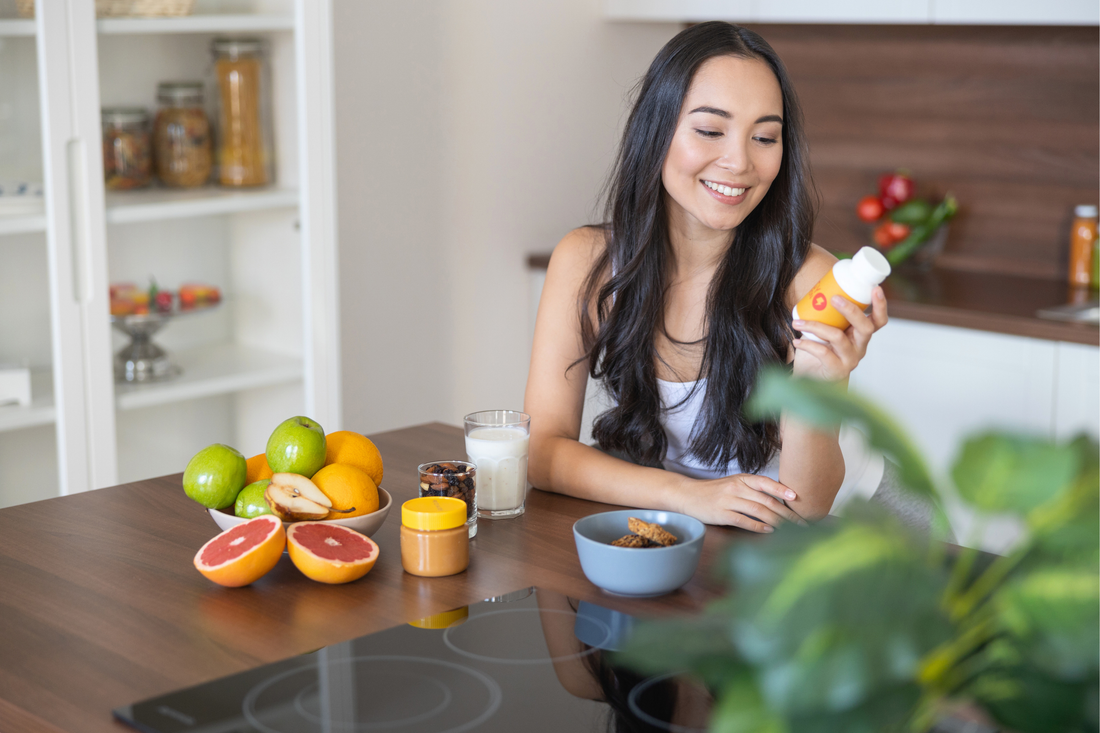
Our biggest source of antioxidants comes from the diet in the form of fruits, berries, vegetables, herbs, spices, and powders. Yes, everything colorful!
We always recommend everyone live a lifestyle that includes a “rainbow variety” of colorful vegetables and fruits with beautiful green, purple, blue, red, orange, and yellow shades on the plate every day.
A broad spectrum of antioxidants
All antioxidants have different functions in the body and work best in synergy with each other.
That’s why you can’t just think, “I take vitamin C” or “I eat raw cacao, so I get all the antioxidants I need.”
The body doesn’t work that way; we need a wide range of antioxidants for different purposes. So think variety and colors!
Here is a list of eighteen different antioxidants so you can choose the ones that suit you best.
Antioxidant vitamins & minerals
Besides brightly colored raw materials, some vitamins and a mineral also function as antioxidants. Exciting!
1. Vitamin E
A fat-soluble antioxidant that stops the production of cell-damaging oxidative stress in the body.
Vitamin E is found in many colorful fruits and vegetables, vegetable oils, nuts, and seeds.
2. Vitamin C
One of the most potent antioxidants available that helps balance our immune system and neutralize free radical molecules.
Since it is water-soluble, it is not stored in the body. You need to continuously replenish it by eating vitamin C-rich foods or taking supplements. It is found in most fruits and vegetables.
Vitamins C and E work together to provide extra antioxidant defense to keep you healthy.
3. Selenium
A mineral and an antioxidant that plays an important role in immune system function and DNA synthesis.
Selenium supports immunity because it is needed for the immune system to function properly; it is also an important nutrient to help prevent the development of viruses.
Selenium also supports thyroid health. In terms of food, Brazil nuts are by far the best source of this important antioxidant.
4. Zinc
Not an antioxidant but has antioxidant properties, meaning it helps protect the body's cells from damage caused by free radicals. Zinc and vitamin C work well together.
Antioxidants with phytonutrients
The Greek word "phyto" means plant, and "nutrients" refers to substances that enable life.
These are substances naturally found in fruit, berries, and vegetables – the pigments that give them their beautiful colors and serve as the plants' own immune system. They protect plants from radiation, pollution, viruses, bacteria, and fungi.
In the human body, these phytonutrients act as antioxidants, reducing inflammation processes, activating the immune system, and strengthening the body's natural detoxification system.
So we want a lot of it, and we get it by eating plenty of vegetables, fruit, berries, and sprouts.
5. Beta-carotene
A well-known and important antioxidant that, among other things, supports eye health. Carrots, pumpkin, sweet potatoes, and dark green leafy vegetables like spinach are rich in the antioxidant beta-carotene, which our bodies convert into vitamin A.
6. Carotenoids
Yellow, orange, and red pigments in fruits and vegetables such as bell peppers, carrots, sweet potatoes, and oranges.
Remember that green leafy vegetables are also rich in carotenoids, but the yellowish color is hidden by the green chlorophyll, as in spinach, broccoli, cruciferous vegetables, and freshwater algae.
7. Astaxanthin
An effective antioxidant belonging to the carotenoid group, found among other places in algae.
Many have become aware of this antioxidant, especially as it seems to have positive effects on inflammation and cardiovascular diseases.
8. Lycopene
Another well-known carotenoid containing red plant pigments found in tomatoes and watermelon, but also in grapefruit and papaya.
Heating tomatoes, such as in tomato sauce, has been shown to increase lycopene, which is good for the prostate.
9. Resveratrol
A powerful polyphenol with many health benefits. It protects against heart disease, can lower cholesterol, and supports healthy blood sugar or insulin levels.
Resveratrol tends to concentrate mostly in the skins and seeds of grapes and berries. It naturally occurs in the skin of red grapes, blueberries, cranberries, and lingonberries.
10. Quercetin
A plant pigment and a flavonoid naturally found in fruits, vegetables, and plants. It is now also a popular dietary supplement.
Quercetin has been used for decades to support the immune system and respiratory organs. Quercetin has been linked to improved exercise performance, reduced inflammation, and regulation of blood pressure.
11. Anthocyanin
A member of the flavonoid group. The best sources of anthocyanins are berries with blue, purple, and dark red plant pigments such as blackberries, blueberries, cranberries, raspberries, cherries, strawberries, grapes, and blackcurrants.
Acai is also a source of anthocyanins. There are studies suggesting that anthocyanins can help prevent cardiovascular diseases.
It is possible that they counteract unnecessary aging in the skin and other parts of the body and protect the nervous system.
12. Curcumin
A very powerful anti-inflammatory substance that most people today know is found in the orange, wonderful turmeric.
Turmeric can help manage chronic diseases such as inflammatory bowel disease.
13. Catechin
A type of flavonoid called EGCG (epigallocatechin gallate) is a well-known antioxidant in green tea that protects molecules and cells from free radicals. They give the tea its mild astringency.
Matcha tea contains a lot of catechins.
14. Sulfides
Sulfides (sulfur) are found in white plant pigments such as in onion, cauliflower, and garlic.
15. Sulforaphane
A sulfur-rich compound found in cruciferous vegetables like broccoli sprouts, broccoli, Brussels sprouts, cabbage, cauliflower, and kale. It has been shown to provide powerful health benefits.
Sulforaphane is said to have a unique ability to promote cells’ antioxidant capacity and defense system against harmful substances and pathogens, helping to protect DNA.
Super antioxidants
16. Coenzyme Q10
An antioxidant that our body produces naturally, important for cell growth and repair. It is a fat-soluble vitamin-like substance.
Levels naturally decrease as we age, and it has become a popular supplement for both heart health and energy production because it plays an important role in generating energy in the cell’s power plants (mitochondria).
17. BioPQQ
Pyrroloquinoline quinone disodium salt (PQQ) is a compound naturally found in soil and certain plant-based foods and is believed to help form new mitochondrial cells.
It also has antioxidant properties and is said to counteract inflammation. PQQ and CoQ10 are often combined in supplements to boost energy levels.
18. Chaga
A mushroom worthy of mention when talking about antioxidants. It actually has one of the highest ORAC values of all foods.
ORAC stands for “oxygen radical absorbance capacity.”
The higher the ORAC value, the better a food’s ability to protect the body from free radicals. This means that chaga mushroom is one of the best sources of antioxidants, with an ORAC value of 146,700.
Chaga has been used as traditional medicine in Northern European countries and Russia for hundreds of years.
In animal studies, this mushroom has helped strengthen the immune system by increasing the production of certain immune cells, including interleukin 6 (IL-6) and T-lymphocytes. These substances help regulate the immune system and ensure the body fights off all invading bacteria and viruses.
Remember!
Diet is always the most important.
We offer supplements and nutritional powders because they are needed today with all the depleted soils and the chemicals we ingest daily, but they can never replace a nutritious, healthy diet.
We therefore always recommend a healthy combination.