How can gut health be linked to lifelong and good health? It might not be the first thing you think of. But more and more studies show that the gut flora plays a central role in how we feel, how we age, and how long we stay healthy.
The gut is seen as its own ecosystem, or as it’s also called: the body’s second brain. The exciting research on gut flora and its role in our well-being has grown enormously in recent years. We now know it’s an important part of how we view holistic health.
It’s both fascinating and very hopeful. Why? We’ll explain.
What is the microbiome and why does it matter?
The gut flora, or microbiome, consists of trillions of bacteria, fungi, and microorganisms living in and on our bodies, mainly in the gut. Most of them are beneficial when in balance.
A healthy gut flora is linked to:
- stronger immune system
- better nutrient absorption
- more stable blood sugar
- hormonal balance
- reduced inflammation
- more even mood and sharper focus
But the balance is fragile. Antibiotic treatments, stress, lack of sleep, certain medications, and a one-sided diet can quickly disrupt it. And it often shows up in your stomach, skin, sugar cravings, or energy levels.
Can the gut influence how we age?
The short answer is yes. There is a lot of evidence for that.
People who age well—that is, maintain energy, joy, and function well into old age—tend to have a gut flora that is both diverse and relatively stable. Not unlike how an ecosystem in nature works.
In so-called Blue Zones, areas where many people live to 100+ years, the diet is often naturally rich in fiber, legumes, and fermented foods. These are foods that the gut flora thrives on. At the same time, lower levels of chronic inflammation are observed, which is also linked to good gut health.
When the craving doesn’t quite feel like your own
Have you ever wondered why you suddenly just have to have something sweet? Or why some days it feels like your stomach is controlling your brain?
You are not alone. Recent research shows that certain gut bacteria can actually influence what we crave, especially when the gut flora is imbalanced. Some species feed on sugar and benefit when you keep eating it. That’s why they can send signals that intensify cravings.
That doesn’t mean you lack character. It can be a sign that your gut flora needs more of what it thrives on, like fiber-rich foods, variety, and supplements of lactic acid bacteria. Remember to feed the good bacteria so they can feel good and thrive.
Gluten, dairy, and the stomach – do you need to avoid them?
It depends. Not everyone reacts negatively to gluten or dairy products, but for some, it can make a difference.
For example, in celiac disease or gluten sensitivity, the protein gluten can negatively affect the gut’s barrier function. It can contribute to something called leaky gut, meaning increased permeability in the gut. This makes the gut lining less tight and allows substances that would normally stay in the gut to pass through, such as undigested food, toxins, or microorganisms. This can trigger the immune system and contribute to inflammation or other reactions.
The same applies to dairy for people with lactose intolerance or casein sensitivity. It doesn’t have to be a problem for everyone, but if you often have an unsettled or bloated stomach, it might be worth testing how you feel without it.
What else can affect the gut flora?
Many focus on what to add, and that’s often a good start. But it can also be helpful to think about what might be disturbing the balance in the gut.
Besides some people reacting to gluten and dairy, there are other things that can burden the gut in the long run. Sugar is one of them, especially in larger amounts. It can feed the bacteria and fungi that we might not want to give more space.
The same goes for refined starch, like in white bread, white rice, and sweet cereals. They break down quickly and affect blood sugar, and they often fill you up without feeding the good bacteria. That doesn’t mean you can never eat a sandwich, but it might be worth considering how often it happens and what else you add (maybe you can bake bread with foods that make the gut happier?).
Processed foods with additives, sweeteners, or refined oils are another group. Not because a single meal causes problems, but because they often lack what our good bacteria need and sometimes even disrupt them.
Even alcohol and frequent use of certain medications, such as antibiotics, can negatively affect the gut flora. That doesn’t mean you should worry if you’ve needed a course of antibiotics; it’s more about awareness. Supporting the body in the best possible way and giving the gut flora what it needs to thrive again.
How you can support your gut flora
It’s not about following a perfect diet or taking a hundred supplements. But you need to create an environment where the good bacteria thrive.
Cooking with good ingredients is of course the foundation. Fibers from vegetables, root vegetables, berries, and legumes are favorites of gut bacteria. The greater the variety of fiber-rich foods you eat, the more different bacteria get a chance to thrive. It doesn’t matter how many supplements you take if you don’t start with good food first, so start there.
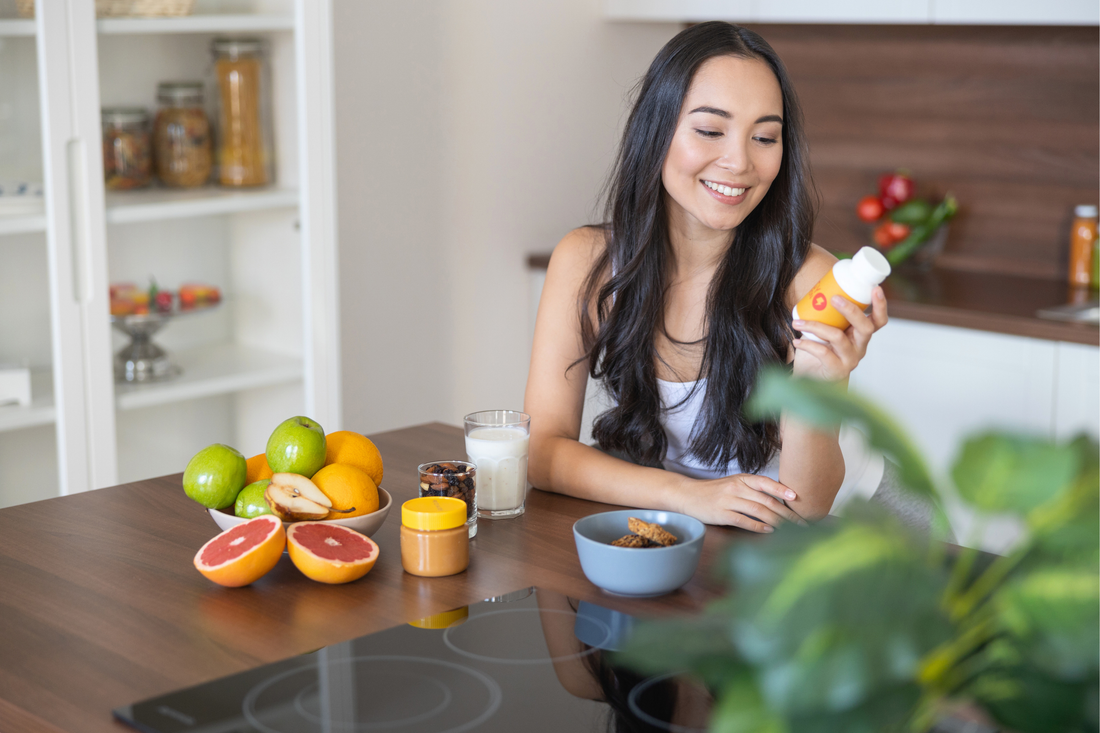
Here are some examples of supplements many people use, but which you can of course also find in real food:
- lactic acid bacteria in capsules or through fermented foods
- prebiotic fibers like inulin or FOS that feed the good bacteria
- bitter herbs traditionally used for digestion, such as dandelion root, gentian root, artichoke, and wormwood
- polyphenols from berries, green tea, olives or herbal extracts
- enzymes as needed to help with digestion
Of course, you don’t need to use everything. But it might be worth starting with one thing and seeing if it works for you. Give it a few weeks and check in with yourself. Do you feel better? And don’t forget it can take some time, so be patient. Your issues didn’t come out of nowhere, but have probably built up over a long time. And your body may need time to recover.
And just like with everything else, the quality of what you use matters. At Glimja, we’ve done the work for you. We only select products that are free from unnecessary additives, meet high standards, and that your body can absorb. Everything is carefully reviewed by our health experts so you can feel confident about what you choose to try. And avoid wasting money.
And the best part?
Now to the most important part (at least in my opinion). Your gut flora is alive, changeable, and something you can actually influence. Many believe health is mostly about luck or genetics, but that’s not the case. Research shows that lifestyle often plays a bigger role than we previously thought. And the gut flora is one of the areas where change can happen surprisingly quickly. At least I find that incredibly hopeful, because it means we have much more power over our health than we thought. I hope you feel the same.
Small adjustments in everyday life, one new habit at a time, can make a big difference over time. Not just for your gut, but for your whole life. For how you sleep, think (yes, the gut and brain communicate with each other. How cool is that?), feel, and age. It’s not always easy, but it’s definitely possible. And so worth it, I promise.