In autumn and winter, viruses spread more easily as we start spending more time indoors and in close proximity to one another. It is especially easy to catch a cold when our immune system is compromised, or when we are stressed, tired, or exhausted.
Our immune system is part of a complex system whose task is to defend us against infections and diseases caused by bacteria, viruses, fungi, and parasites.
Of course, the best thing is to always support our immune system with everything it needs, all year round.
We can support the body with nutritious food, clean water, proper digestion, exercise, relaxation, and recovery that counteracts stress.
But even when we focus on optimizing our immune system, we sometimes get sick. It is unavoidable, but a strong immune system supports the process of shortening, for example, a cold.
There are also several things we can do as soon as we feel a cold or flu coming on. In this article, we share our best hacks!
Our 5 best hacks for shortening a cold
1. Drink plenty of water and herbal tea
Drink plenty of fluids, such as water and herbal tea, preferably with freshly squeezed lemon, ginger, and raw honey. An extra-potent honey option is Manuka honey.
Fluids help with circulation, cleansing, and hydrating the body's tissues, which is essential for good recovery.
Herbal tea is very beneficial. Herbs should always be available at home in your medicine cabinet when you have a cold or flu, but can of course also be enjoyed all year round.
You can drink them separately or mix them, and optionally sweeten them with honey. Herbal tea is easy to make: 1-2 tsp in a cup of hot water, steep for 10 min. Strain.
– Peppermint is good for fever and headaches. Peppermint is also very good for digestion.
– Thyme is often used for coughs. Thyme counteracts bacteria, viruses, and parasites.
– Sage can be beneficial for viruses and sore throats. Sage is very good for the immune system and the blood. You can also gargle with herbal tea made from sage when you have a sore throat.
2. Take extra amounts of these 4 supplements
- Vitamin C supports the immune system and strengthens white blood cells. Many experts recommend several grams of vitamin C for 5 days or until the cold is over. It is best to spread it out and take, for example, 1-2 grams of vitamin C every two to three hours as an intensive course.
- Zinc is a powerful antioxidant that supports the immune system. It is preferably taken together with vitamin C as a course.
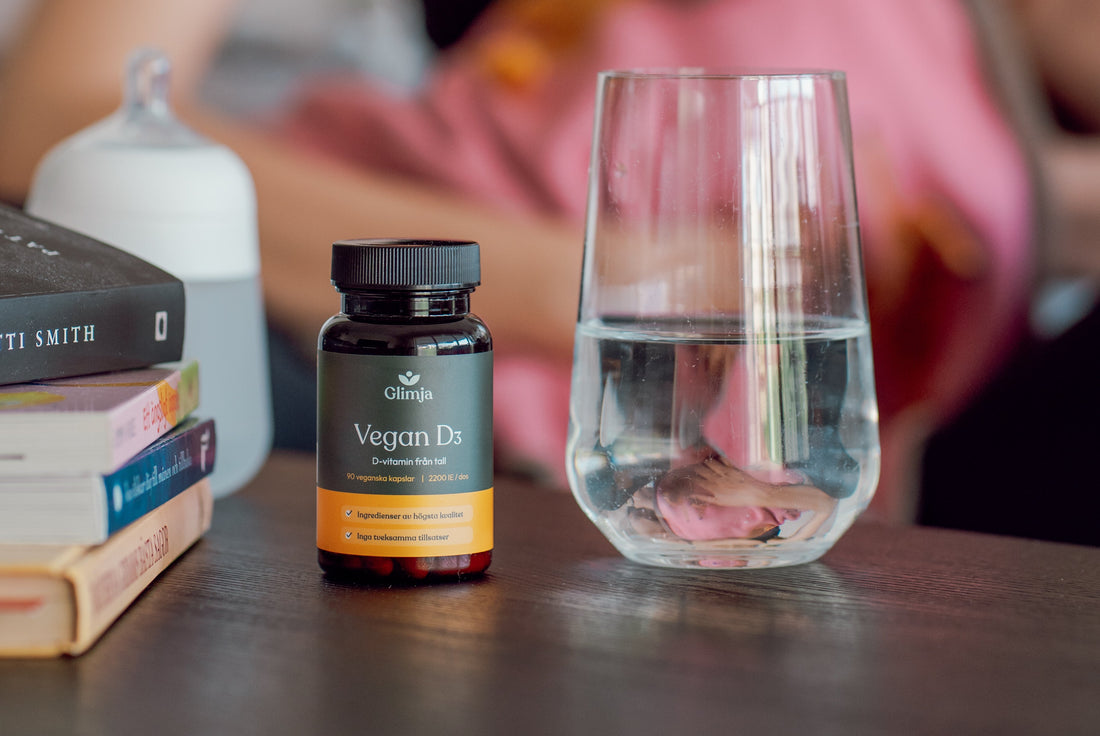
- Vitamin D supports the immune system and the health of the entire body. It may be beneficial to replenish a little extra during a cold, up to 5000 IU / day for 5 days.
- Lactic acid bacteria (probiotics). Properly functioning digestion is vital for well-being and supports the immune system during illness.
3. Add immune-supporting herbs
- Garlic – counteracts viruses, bacteria, and fungi.
- Oregano oil – like thyme, the herb oregano is very powerful against viruses and bacteria. Take as a course, following the instructions on the product you choose.
- Propolis – the bees' own protection against viruses and bacteria. This throat spray is effective at the slightest sign of throat irritation. And this nasal spray with propolis and thyme is 100% natural and effective for nasal congestion.
4. Avoid foods that burden the body
Here are some foods that should be eliminated during the illness.
- White sugar. It lowers immune system activity by up to 30% while also providing unwanted bacteria and fungi with a source of nourishment.
- Dairy products. Dairy products are fairly difficult to digest and often promote mucus production in our system. This is particularly problematic when coughing.
- White flour (in bread, pasta, sweetened cereals, etc.). It has a similar effect to sugar and can be especially troublesome in cases of gluten sensitivity – which is more common than many people think. Most of us experience irritation in the intestinal walls from refined flour, which in turn can interfere with the immune system.
- Heavily fried and deep-fried food. It contributes to free radicals and extra work for the liver and digestion, taking energy away from the body's actual task during ongoing illness: neutralizing invaders in the form of viruses and/or bacteria.
Instead, eat plenty of vegetables, sprouts, fruit, berries, algae, vegetable soups, etc. Clean and easily digestible food. This type of food does not burden the system unnecessarily, allowing the body to deal with viruses or bacteria and focus on recovery.
5. Get plenty of rest
Rest is especially important when you are ill so that both the body and nervous system have a chance to recover properly. The body needs plenty of sleep to have enough energy to kill viruses and bacteria.
Extra tip: if you want to use essential oils to relieve cold symptoms.