We constantly hear that we need protein.
To build muscles and to recover.
But for women, it’s about much more than that.
Sufficient protein intake is also part of how the body produces and regulates hormones. But the need doesn’t look the same throughout life.
It changes along with the body, especially as you approach perimenopause.
So protein is not just something you eat; it’s actually the building material for what controls how you feel.
And it’s one of the things you can actually influence.
Protein and hormone balance – why it’s crucial
So why does protein play such a big role in your hormone balance?
Yes, because the body actually uses protein as building material for several hormones, especially peptide hormones like FSH and LH.
They in turn regulate the production of estrogen and progesterone, the hormones that affect your menstrual cycle, ovulation, and fertility.
Protein is also needed to form neurotransmitters like serotonin and dopamine. They affect your mood, motivation, and focus in daily life.
If you get too little protein, it can affect both hormone production and how you feel, physically and mentally.
Protein, blood sugar, and fullness – how your energy is affected
So how exactly does protein relate to your energy, hunger, and blood sugar?
Carbohydrates provide quick energy but can also cause blood sugar to fluctuate rapidly.
When you eat protein together with carbohydrates, glucose absorption slows down. This makes blood sugar rise more gradually and stay more stable.
Protein also affects how insulin is released in the body. Since insulin is linked to several hormonal processes, more stable blood sugar can contribute to a more balanced hormonal environment.
At the same time, protein affects the hormones that control hunger and fullness. When you get enough, fullness signals increase while hunger signals are dampened.
This often reduces cravings for sugar and fast carbohydrates on its own.
Your energy feels more even, you stay full longer, and you avoid those quick dips.
And this is especially noticeable in the morning.
A breakfast with too little protein causes your energy to fluctuate faster and hunger to return sooner. If you instead get protein from the start, both your energy and appetite usually stay more stable for the rest of the day.
Protein for stress and recovery
How you eat plays a bigger role than you might think when the body is under stress.
During prolonged stress, the body’s need for nutrients increases, and protein is an important part of that.
It is needed both for recovery and to regulate cortisol, the body’s most important stress hormone.
If you get too little protein, it can become harder for the body to recover. It can affect sleep, energy, and hormone balance, often at the same time.
Protein is also a building block for neurotransmitters like serotonin and dopamine, which contribute to better mood and reduced stress.
This means that protein not only affects the body physically but also how you feel during periods of stress.
Protein, hormone balance, and the menstrual cycle throughout life
The body doesn’t stand still, and neither does your need for protein.
At different stages of life, the conditions change. In puberty when the body grows and hormones find their rhythm. During pregnancy when new life is being built.
And later in life, when estrogen levels drop and the body no longer maintains muscle mass in the same way. Then it often needs more protein again.
At the same time, it’s not just about the amount, but what the body uses the protein for.
Hormones that control ovulation and the menstrual cycle, like FSH and LH, are made up of amino acids. Protein is therefore part of the signaling itself.
When intake is too low, it can affect how those signals work, which may be noticed in a more irregular cycle or changed symptoms during the month.
With PMS, blood sugar, stress, and hormones interact closely. When protein intake is sufficient, energy is often steadier, satiety lasts longer, and cravings for quick carbohydrates decrease.
With PCOS, where insulin resistance is often part of the picture, the connection becomes even clearer. Protein together with fiber and fat can contribute to more stable blood sugar regulation and thus affect the troublesome symptoms.
Just coffee and a sandwich vs a protein-rich breakfast
How you start the day affects more than you think.
A breakfast with protein causes blood sugar to rise more slowly, providing steadier energy instead of quick peaks and dips. At the same time, cortisol, the body's stress hormone, which is naturally higher in the morning, is affected. When you eat, you signal to the body that energy and building blocks are available, which helps regulate that level.
Protein also helps you stay full longer. It reduces the risk of an energy crash later in the morning and the craving for something quick, sweet, or extra coffee taking over.
A breakfast with enough protein often sets the tone for the rest of the day, both for energy, hunger, and how stable your body feels.
How to get protein in the morning
It doesn’t have to be complicated to get protein in the morning. Small adjustments often go a long way.
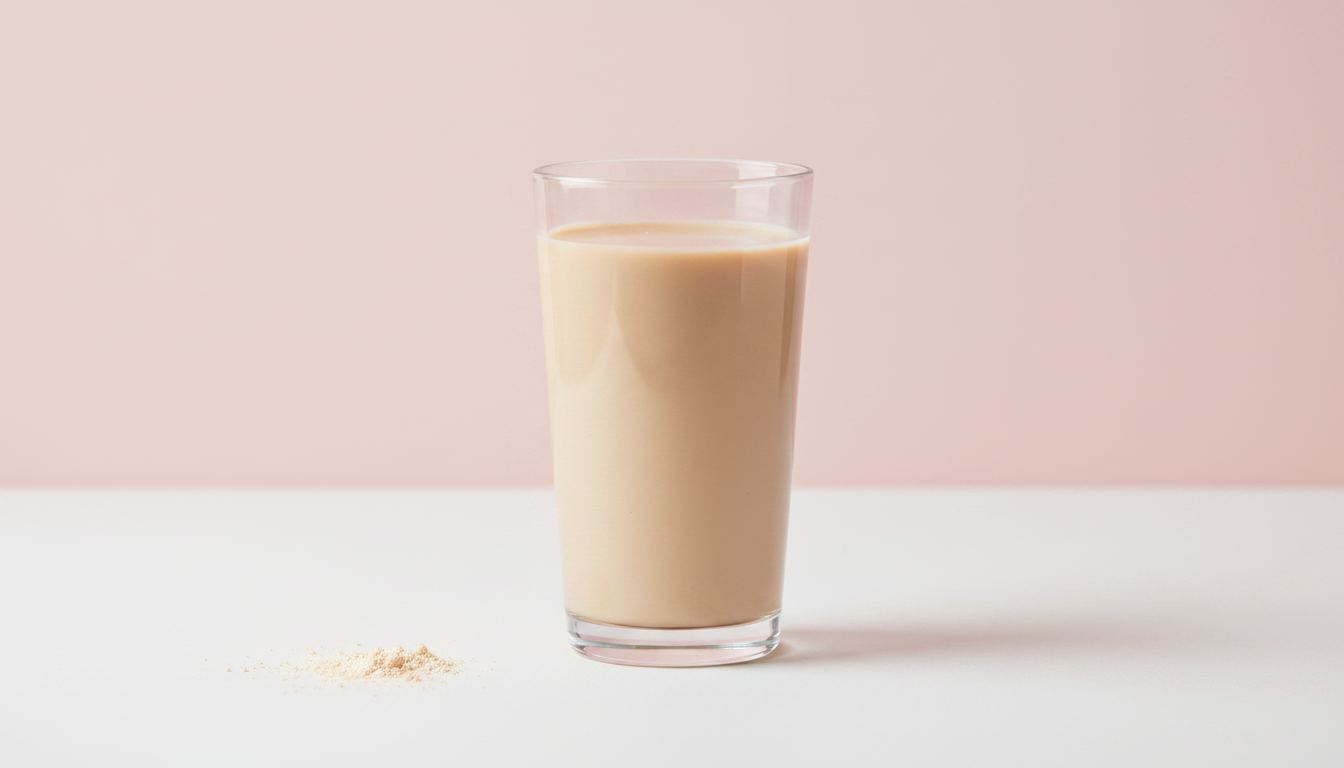
A smoothie with protein powder, berries, and milk or plant-based drink is an easy way to start. Yogurt, quark, or cottage cheese together with nuts, seeds, and nut butter provide both protein and good satiety.
If you want something more filling, eggs in various forms can work well, such as boiled eggs, omelet, or scrambled eggs. Tofu scramble or bean spread on good bread are also good options. You can also bake bread with black beans to get extra protein right from the start.
Whey protein is an example that contains all essential amino acids and has fast absorption, making it especially useful after exercise or as a dietary supplement.
Animal or plant-based protein powder – what’s the difference?
There are many options when it comes to protein powders, and the choice often depends on what suits you best.
Whey protein (from milk) contains all essential amino acids and is quickly absorbed by the body. This makes it a good option if you want to support recovery or easily get enough protein.
Plant-based protein powders, for example from pea, rice, or hemp, can be a good option if you prefer a vegan choice or are sensitive to dairy products. They can sometimes have a slightly slower absorption and a somewhat different amino acid profile, but work well as part of a varied diet.
The most important thing isn’t choosing the “right” type, but finding a protein powder that you actually use and that fits your daily life.
An important part you shouldn’t miss
You don’t need to exercise to need protein.
It’s easy to think of protein as something for muscles and the gym, but the body uses it for so much more. For hormones, energy, recovery, and how you actually feel in everyday life.
So even if exercise isn’t your thing, protein is still an important part of keeping your body functioning and feeling good over time.