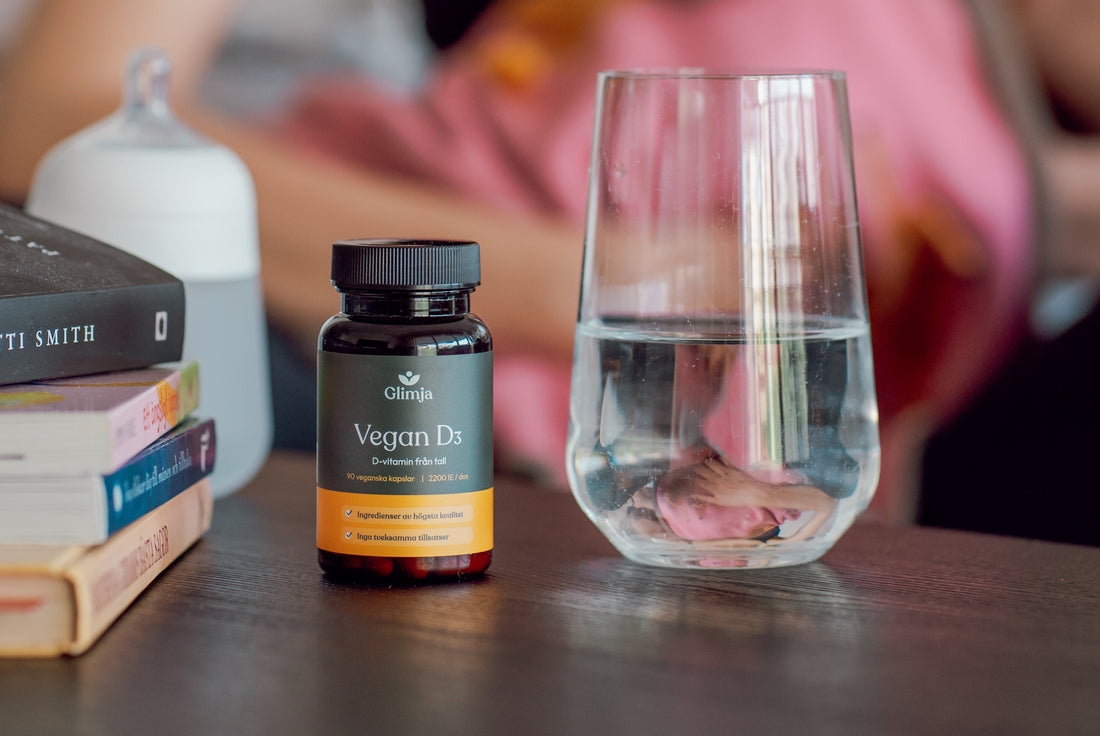
To maintain a healthy body with healthy skin, nutritious food, sufficient hydration, and care are needed.
Many skin problems can be caused by nutritional imbalances, but also by sensitivity to chemical agents in conventional skincare products. Our skin absorbs everything we apply to it.
Natural skincare is best for both the body and nature
Ingredients such as cold-pressed oils, organic butters, and herbal extracts soothe, nourish, hydrate, and smooth the skin.
The results from natural skincare may be slower than those from conventional skincare, but they are always gentle on your skin and will not harm you in the long run.
The synthetic ingredients found in conventional products can act quickly, but they are also invasive and can cause damage that is not visible at first.
These conventional chemical ingredients can provide immediate satisfaction and visible results, but most of them only help you aesthetically, not deeply. Additionally, they can weaken the skin’s important protective barrier.
6 differences between natural and conventional skincare
Conventional skincare
- Conventional products contain unnatural substances that the skin must deal with and then eliminate.
- They often contain synthetic oils and chemicals from the petroleum industry as well as additives like chemical preservatives and synthetic fragrances.
- Petroleum oils clog pores and prevent the skin from naturally absorbing moisture, drying it out from within.
- Conventional products often contain large amounts of substances that do nothing for the skin but are added for texture or because they are cheap.
- Produced in large batches with strong preservatives that keep costs low and shelf life long, so products can sit for many years without focus on freshness or quality.
- They cannot be broken down by nature.
Natural skincare
- Natural skincare products are made to work with the skin and to provide nourishment and moisture.
- They mostly contain plant-based ingredients, naturally rich in antioxidants, vitamins, essential fatty acids, enzymes, fruit acids, and essential oils that positively affect our skin.
- Vegetable oils in organic skincare bind moisture, protect, and strengthen to support healthy skin. They are easily absorbed by the skin and provide something healthy.
- Natural skincare maximizes the content of skin-caring ingredients.
- Organic products are usually produced in smaller batches to ensure quality and freshness.
- They can be broken down by nature.
Pretty easy to choose, right?
Read more here about vegetable oil vs petroleum oil.
In this article, you can read more about how to support your skin from within with supplements
How does Glimja select natural skincare that is safe?
Glimja only offers natural and organic skincare products.
For a product to be sold by us, it must have natural ingredients without harmful additives, work well, and feel wonderful.
We check that our products are free from hidden toxins and have never been tested on animals. Note that not all products have organic certification; in those cases, we review the purity of the ingredients and the manufacturer’s guidelines.
At least as important as the quality of the ingredients is what our products DO NOT contain.
There is a long list of chemicals allowed in body care (some even in organic skincare) that we have chosen to exclude.
30 harmful ingredients we do not allow in our skincare products
You should feel 100% safe when shopping with us.
Therefore, our products never contain any of these harmful ingredients:
- strong sulfates such as sodium lauryl ether sulfates and lauryl sulfates (SLS/SLES/sodium laureth sulfate)
- silicones like dimethicone or cyclomethicone
- petrochemicals
- phthalates
- petroleum jelly
- artificial colors & fragrances
- silicates
- harmful preservatives
- propylene glycol
- cocamidopropyl betaine
- genetically modified organisms (GMO)
- bisphenol A
- animal by-products or other potentially health- or environmentally harmful substances
- parabens
- phenoxyethanol
- mineral oils
- polysorbate
- benzene
- formaldehyde
- artificial perfumes
- 1,4-dioxane
- triclosan
- fluoride
- TEA (triethanolamine)
- DEA (diethanolamine)
- MEA (monoethanolamine)
- BHA/BHT
- PEI
- EDTA
- PEG-laureate
In this article, you can read more about harmful substances to avoid