Stress, poor sleep, and brain fog. Unstable blood sugar, recurring infections, and inflammation. These sound like very different issues. Yet the same herb keeps appearing repeatedly in research on these topics. Why?
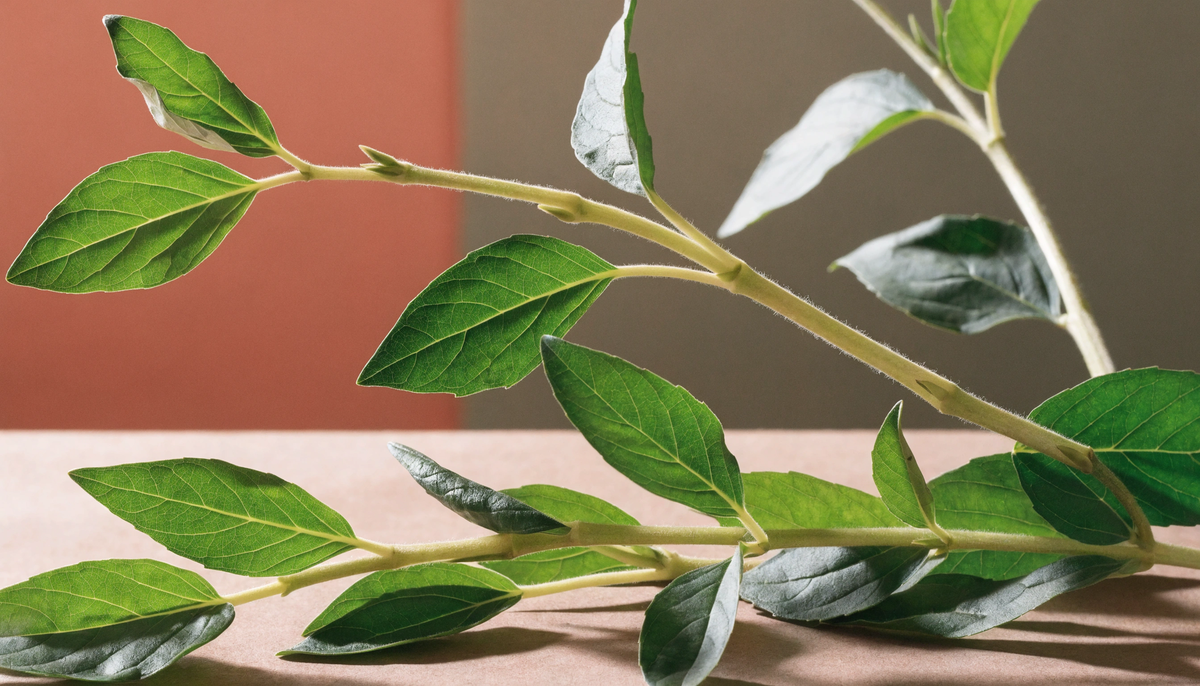
Tulsi, or holy basil, has been used in Ayurveda for thousands of years and is often called the “queen of herbs.” Traditionally, it has been used for everything from coughs, fever, and respiratory issues to stress, digestion, and general resilience.
And now modern research is beginning to provide a clearer picture of why this plant has held such an important place in traditional health teachings for so long.
Tulsi is more than an adaptogen
If you’ve heard of tulsi before, you might recognize it as an adaptogen—a plant that helps the body adapt to physical and mental stress. But the research doesn’t stop there.
Tulsi contains a whole collection of natural plant compounds, so-called bioactive substances. A bioactive substance can affect various biological processes in the body, even though they are neither vitamins nor minerals. Among the most studied are eugenol, rosmarinic acid, ursolic acid, apigenin, and linalool—all naturally found in tulsi.
- Eugenol has been studied for its effects on inflammatory signaling pathways.
- Rosmarinic acid is often linked to antioxidant protection.
- Ursolic acid appears in studies on inflammation, metabolism, and cell protection.
- Apigenin and linalool have been examined in relation to the nervous system, calmness, and mental function.
- This breadth is what makes tulsi so special: it is a plant with many active components that together can influence multiple parts of the body.
Stress, sleep, and mental clarity
Stress is the area where human research on tulsi has progressed the most, with many studies focusing on tulsi’s effect on the body’s ability to respond to stress, recover, and return to calmer signaling.
For example, in a double-blind, placebo-controlled study, participants with stress-related complaints received a tulsi extract for six weeks. The group taking tulsi experienced clear improvements in exhaustion, sleep problems, memory, and feelings of being overwhelmed.
In another randomized study on adults with high stress levels, participants took a standardized tulsi extract, and their perceived stress and sleep quality were measured after eight weeks. The results showed perceived improvements in both areas.
All these combined results have made the herb popular among many who feel tired but wired, have difficulty winding down, or feel like their brain never really gets to rest.
Blood sugar and metabolism
Tulsi has also been studied in relation to blood sugar and blood lipids.
Clinical studies have shown improvements in fasting blood sugar, HbA1c, and lipid profiles in people with elevated values or metabolic impact. The results do vary between studies, partly because doses, extracts, and study designs differ. But the trend is worth noting.
Blood sugar isn’t just about what you ate for breakfast or how long ago you had lunch. It’s also affected by stress, sleep, inflammation, and how well the body manages energy. Tulsi has been studied precisely at the intersection where stress response, metabolism, and inflammatory processes meet.
So for those already mindful of diet, stable energy, and blood sugar but still facing challenges maintaining steady levels, tulsi may be worth knowing about.
Immune system, infections, and microbes
As mentioned earlier, tulsi has long been used for coughs, bronchitis, fever, and various infections within Ayurvedic medicine. Modern research in this area has mainly focused on two aspects: immune function and antimicrobial properties.
Preclinical studies (studies done on cells and animals) show that tulsi can affect immune cells such as macrophages, natural killer cells, and lymphocytes. These are parts of the immune system that help the body respond when something needs attention.
Tulsi has also shown activity against bacteria, fungi, and certain microbes in laboratory studies. Compounds like eugenol and carvacrol have been studied for how they affect microbial cell membranes, while polyphenols in tulsi have been examined in relation to biofilms.
Biofilms can be described as the protective layer microbes form. When bacteria organize into biofilms, they become harder to reach. That tulsi is studied even at this level says something about why the herb has such broad use in traditional medicine.
Cell protection, inflammation, and the brain
Tulsi also has a clear connection to oxidative stress.
Oxidative stress occurs when the body’s burden from free radicals exceeds the antioxidant protection available. Several compounds in tulsi have been linked in studies to the body’s own antioxidant systems, including enzymes like superoxide dismutase and catalase.
This has earned tulsi a place in research on cell protection, inflammation, and recovery.
Several preclinical studies have also examined tulsi in relation to the brain. These have looked at memory, cognition, neuroinflammation, and oxidative stress in nervous tissue. This should not be interpreted as tulsi being a treatment for neurological diseases, but it shows why the herb can be helpful in—and is included in research on—mental clarity, stress, the nervous system, and long-term brain health.
There are also studies on tulsi regarding liver impact, skin, wounds, environmental toxins, and radiation-related oxidative stress. Much of this research is still preclinical, but it remains clear that tulsi is studied not just for one symptom but for several of the body’s protective and regulatory processes.
How can you take tulsi safely?
Tulsi is available as tea, powder, capsules, tincture, and extract. Tea often suits those who want to take tulsi as a daily ritual in a milder form, while capsules and extracts provide a more concentrated dose. And as with all herbs, quality, dose, and form matter.
Generally, tulsi is well tolerated by most people, but if you belong to any of the following categories, you should consult healthcare before starting regular tulsi use:
- Pregnant
- Breastfeeding
- Trying to conceive
- If you are taking blood thinners or blood sugar-lowering medications
And as with all supplements and herbs, you should view tulsi as a support that may need some time to take effect, not a quick fix.