Hawaiian Spirulina Powder 270 gram - Nutrex


- ✓ Premium Hawaiian spirulina
- ✓ Broad spectrum of nutrients
- ✓ Nutrex Hawaii Ocean Chill Drying system

Liquid Zinc 100 ml - Glimja

Liquid B-12 Active 100 ml - Glimja

Vitamin C Buffered 500mg 180 capsules - Glimja

Organic Lemon Balm Extract Lemon Balm 100 ml - Glimja

L-lysine 180 capsules - Glimja

Magnesium Glycinate 180 capsules - Glimja

Organic Pink Pitaya Powder (Red Dragon Fruit) 250 g - Glimja

Liquid Vegan D3 Vitamin 1000 IU 15 ml - Glimja
Out of stock


Description
Hawaiian spirulina is one of the best known in the world for its purity and high quality. Spirulina Pacifica is cultivated in freshwater ponds on the Kona coast of the Big Island of Hawaii.
The water is filtered through Hawaiian lava rock
The water used for cultivation comes from aquifers where it has been naturally filtered through Hawaii’s lava rock. A small amount of deep-sea water, drawn from a depth of approximately 600 metres, is also added to the cultivation water, contributing naturally occurring trace elements.
Nutrex Hawaii Ocean Chill Drying™
The Nutrex Hawaii Ocean Chill Drying™ system eliminates oxidation and damage to carotenoids, enzymes, and other nutrients that can occur with conventional drying methods. This system dries the spirulina in just 3–7 seconds, uses very cold, deep-sea water to provide moisture, and uses less than one percent oxygen to preserve the phytonutrients.
A broad spectrum of nutrients
Spirulina provides a broad spectrum of nutrients with many benefits. Its cell walls contain no cellulose.
Spirulina’s impressive nutritional content is easily absorbed. Spirulina contains protein (all essential amino acids), carbohydrates, minerals, vitamins (except C and D), gamma-linolenic acid, chlorophyll, phycocyanin, antioxidants, and SOD. It is a complete protein that is easy for the body to digest.
The history of spirulina
Spirulina is one of the oldest life forms on Earth, a type of algae. In ancient Mayan and Aztec cultures, it was highly valued for its healing and strengthening effects and was widely used as a dietary supplement. It was believed that this “food of the gods” quickly provided energy and increased physical strength. Spirulina has also been used as a source of nutrition by African Knembus since time immemorial.
Also known as
Blue-green algae, Arthrospira platensis
Nutritional information
Ingredients
Dosage
Manufacturing
Storage
Size
270 grams. At 1 teaspoon per day, the jar lasts 90 days.
Frequently Asked Questions

High quality, good price


Liquid Zinc 100 ml - Glimja


Magnesium Glycinate 180 capsules - Glimja


Liquid Active B-12, 30 ml - Glimja


Spirulina powder from USA 250 g - Glimja


Vitamin C Buffered 500mg 180 capsules - Glimja


Organic Barley Grass Juice Powder 250 g - Glimja


Multivitamin 60 capsules - Glimja


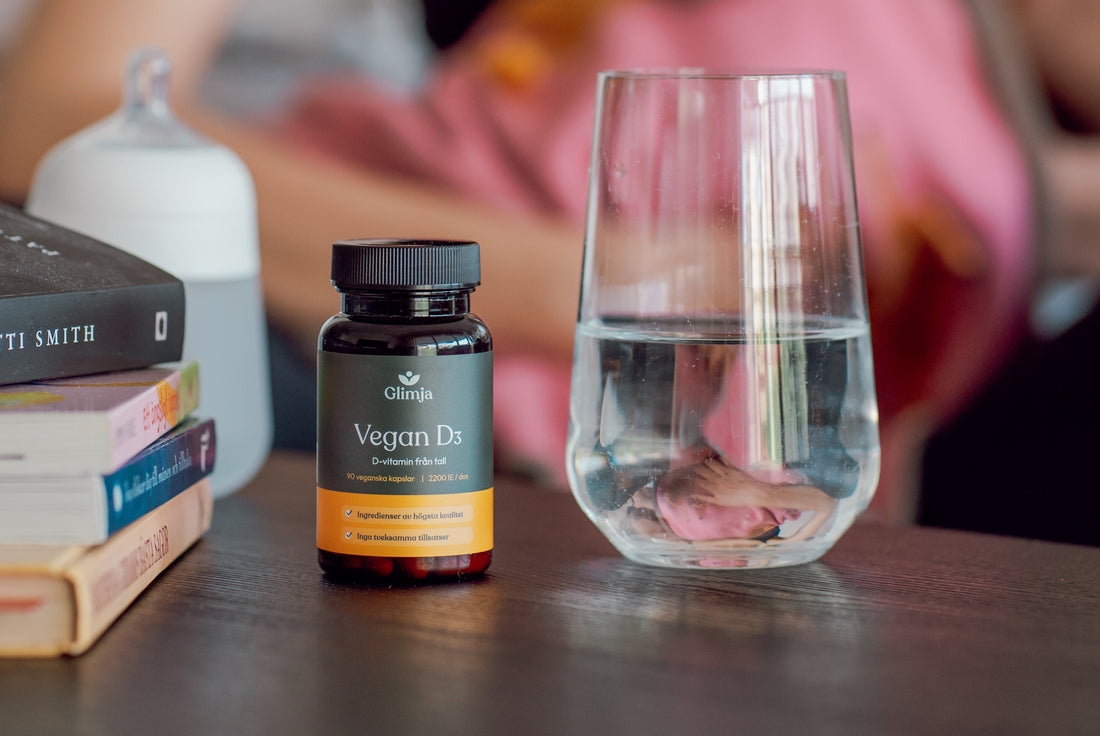
Vegan Vitamin D3 50 µg 2000 IU 90 capsules - Glimja


Magnesium Complex 180 capsules - Glimja


L-lysine 180 capsules - Glimja


Lactic acid bacteria 60 capsules - Glimja