It’s a tricky question that doesn’t have a simple answer. But some vitamins are more commonly deficient than others.
An important thing to consider when it comes to vitamins and dietary supplements is that the difference between what is “normal” and what is “optimal” can be quite large.
In Sweden, we have benchmarks for most nutrients, DRI (daily recommended intake), which are designed to prevent deficiency symptoms. In other words, the recommended dose is at a level intended to prevent an “undernourished” state. But is that the same as optimal levels?
Our nutritional needs are neither static (the same all the time) nor statistical (the same for everyone), but rather dynamic and individual. Depending on the season, activity level, age, sex, sleep needs, stress tolerance and more, the body uses different amounts of nutrients. Therefore, our needs vary considerably, both between individuals and over a lifetime. So what might an optimal daily intake of a vitamin be for you specifically during this period of your life? To find out, you need to consult a functional medicine doctor or nutritional therapist. We can also have blood tests done privately and consider what we think we may need a little extra of.
Vitamin D
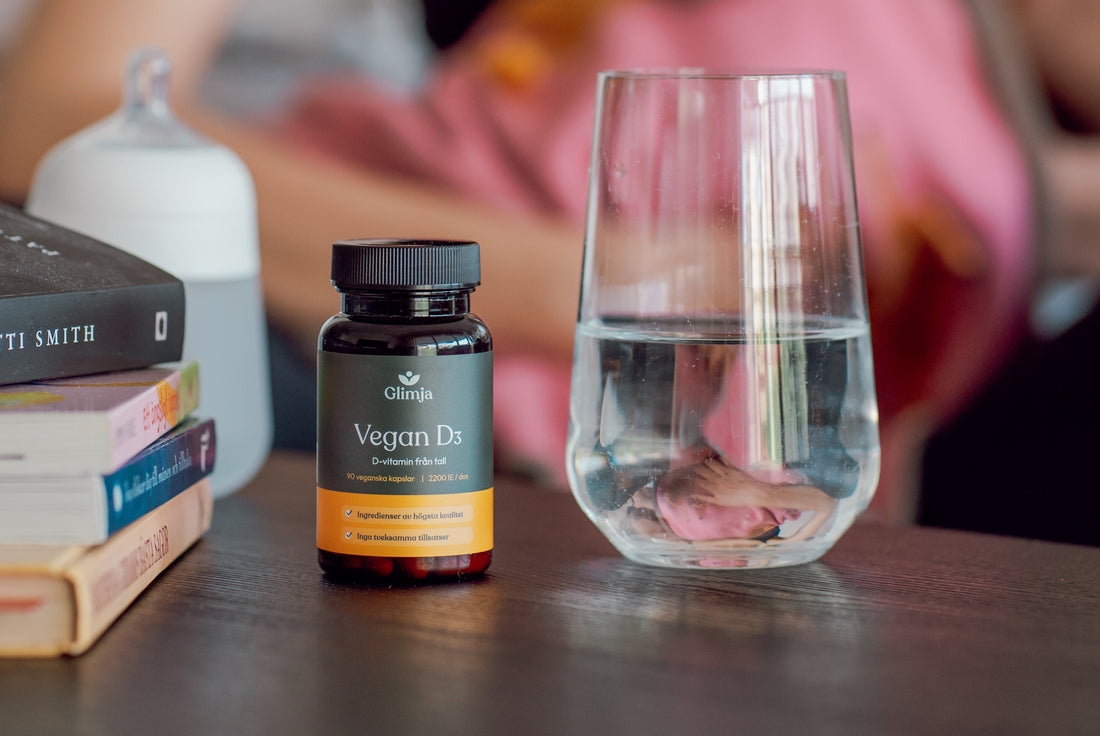
The sunshine vitamin! Vitamin D is created in our skin when exposed to the sun’s rays. According to many nutrition experts and researchers, vitamin D is the single most important vitamin we can optimize in our bodies. It has a wide range of strengthening and protective functions in the body. Vitamin D is especially important during the winter months. PS: It is a good idea to supplement vitamin D with magnesium and vitamin K2.
Early deficiency symptoms may include pain in the legs, a burning sensation in the mouth and throat, nervousness, diarrhea and difficulty falling asleep, autumn – and winter depression, fragile bones, arthritis, osteoporosis, dental cavities, muscle spasms and muscle weakness.
Vitamin C
Vitamin C is one of our most important antioxidants and is involved in immune system function, collagen formation and psychological function. Vitamin C counteracts aging, detoxifies, oxygenates the blood vessels, protects healthy cells, protects the skin, helps the body manage physical and psychological stress, contributes to wound healing and much more.
Early deficiency symptoms may include bleeding or sensitive mucous membranes in the mouth and gums, recurring colds, high cholesterol, poor iron absorption, dental cavities, nosebleeds, hair loss, premature aging, fatigue, irritation, joint and muscle pain, easy bruising and male infertility.
Vitamin E
Vitamin E is one of the most important defenses we have against free radicals. Vitamin E counteracts blood clots, toxicity, angina, leg cramps and much more. When you exercise a lot, experience significant stress, smoke, are pregnant, are going through menopause or are over 50, the need increases.
It can be difficult to get high levels of vitamin E from the diet, as this would mean having to eat more than a kilogram of olive oil or just over half a kilogram of almonds to reach 200 IU per day.
Long-term deficiency can lead to peripheral neuropathies and increase risk factors for developing cardiovascular disease and cancer.
Vitamin B-12
A very important vitamin for energy metabolism and the nervous system, among other things.
Early deficiency symptoms may include fatigue, crawling sensations, tingling in the legs, memory loss, cognitive dysfunction, numbness, coordination problems, poor memory and dementia.
It can take five years for symptoms indicating B12 deficiency to appear after the body’s stores have been depleted. Over the age of 60, it is often recommended to take B-12 for the rest of your life.
Folate (Vitamin B-9)
Also called folic acid or vitamin B-9, it plays an important role in cell renewal in the body’s tissues, the formation of blood cells and hemoglobin. It is also necessary for the body’s healing processes.
Folate deficiency is considered the most common vitamin deficiency in the West, especially among older people. Early deficiency symptoms may include sore lips, mouth ulcers, stomach ulcers, digestive problems and various forms of diarrhea, edema, gray-brown discoloration of the skin, hair loss, graying hair, headaches and memory problems. Severe folate deficiency can also lead to birth defects, which is why it is almost always recommended for pregnant women.
Vitamin B6
The European Food Safety Authority, EFSA, has established a connection between vitamin B6 and
- the metabolism of protein and glycogen.
- a normally functioning nervous system.
- the formation of red blood cells.
- the maintenance of a normal immune system.
- the regulation of hormonal activity.
Early deficiency symptoms may include loss of appetite, weight loss, weakness, nervousness, insomnia, eczema, hair loss and much more. Many women who experience PMS symptoms find relief with B6. The best option for PMS is a B-complex.
If you do not need extra of a specific B vitamin, a high-quality B-complex containing all the B vitamins may be best, as it creates a good balance in the body. You can also choose a multivitamin as a foundation that contains all the B vitamins.
Remember that the most important thing first is a colorful diet!