When we talk about anti-inflammatory foods, turmeric is almost always part of the conversation. The reason is curcumin, the active compound in turmeric that gives the root its yellow color. But why is it actually so effective against inflammation? And how much do you need to consume for it to have an effect?
You probably already know that inflammation itself is an important process that helps the body respond to infections and injuries. However, when inflammation becomes long-lasting and continues even after the acute danger has passed, it is no longer as desirable. This is the type of inflammation that curcumin may help reduce. But how?
Curcumin affects the body’s inflammatory signals
Curcumin is a so-called polyphenol, a bioactive plant compound that occurs naturally in turmeric. According to researchers, curcumin affects not just one but several of the processes that regulate inflammation in the body.
One of the most studied processes is called NF-κB. You do not need to remember the complicated name; what matters is understanding what it does.
NF-κB is a protein that can activate genes that cause cells to produce pro-inflammatory substances. In experimental research, curcumin has been shown to inhibit the activation of NF-κB, thereby affecting the production of several substances that regulate inflammation, including IL-6 and TNF-α.
The effects of curcumin can be seen in the blood
So what actual effect can we get from consuming curcumin?
A large review of 66 randomized controlled studies showed that curcumin or turmeric supplements lowered levels of inflammatory substances including CRP, IL-6, and TNF-α compared with control groups. These substances are used as markers of inflammation in the body.
The catch? Curcumin is difficult to absorb
Unfortunately, the body is not particularly good at absorbing curcumin. It is poorly absorbed from the intestines, and what is absorbed is broken down and excreted relatively quickly. That is why much of the research has also focused on how to increase bioavailability—that is, how much of the compound actually becomes available to the body.
A well-known trick is black pepper. Black pepper contains a compound called piperine, which can significantly increase the absorption of curcumin. Using turmeric together with foods containing fat is another simple way to improve absorption, since curcumin is a fat-soluble compound.
Make curcumin a habit without having to live on curry
Because curcumin is absorbed only to a limited extent and disappears relatively quickly, regularity is better than consuming a large amount every now and then if you really want to benefit from its long-term anti-inflammatory effects. The clinical studies that have shown effects on inflammatory markers have used regular intake over a longer period.
So how can you vary your intake without having to eat curry or drink turmeric lattes seven days a week? Try using turmeric in, for example:
- scrambled eggs
- soups
- stews
- on roasted vegetables
- dressings or marinades
Or why not try this anti-inflammatory spice blend?
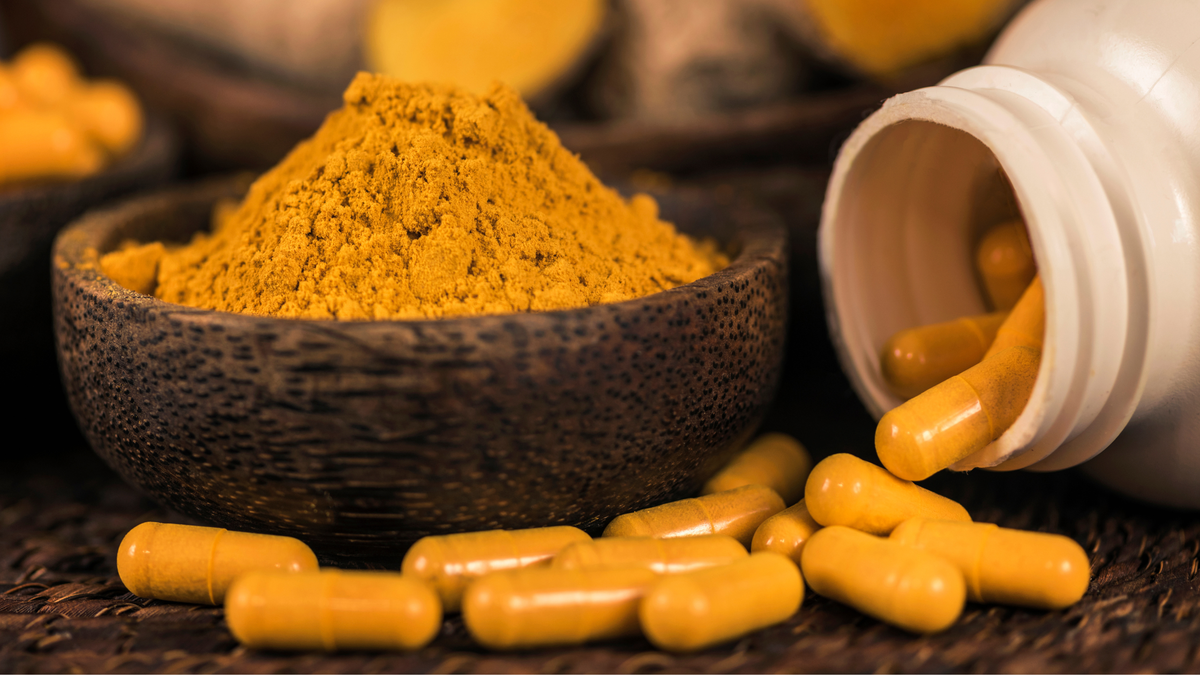
If you want a more concentrated amount, there are also several different curcumin supplements, usually in forms specifically developed for better absorption. However, since the doses are significantly higher than those found in regular food, it is wise to check for potential interactions with any medications you take, as such a high dose of curcumin may affect the medication’s effects.
Getting a little turmeric every day does not have to be difficult—whether you choose to experiment with different dishes and spice blends or try a ready-made supplement.