Does your body feel different in the days before your period? Maybe you get more tired than usual, feel low, anxious, or easily irritated without really knowing why. Maybe you get stomach pain, bloating, or have trouble sleeping. You’re not alone. And you’re not broken.
PMS is common. But that doesn’t mean you have to suffer through every month. Here you’ll find practical tips that can help, whether you have PMS regularly or just sometimes feel it would be nice to slow down.
What really happens in the body before your period?
After ovulation, progesterone increases. This hormone usually feels calming. At the same time, estrogen drops, which affects mood, blood sugar, and how the body handles fluid and inflammation.
If the body is already a bit out of balance, for example due to stress, lack of nutrients, a tired gut, or uneven blood sugar, these hormonal changes can become more noticeable.
The point isn’t to push away the cycle. On the contrary. When you support your body, you can move through the phase with more understanding and less resistance.
What can you do to feel better?
There’s no one answer that works for everyone. We’re all different, and what feels good for you might not work for someone else. But there are four areas that often make a difference for many.
Support your gut and liver
The body breaks down excess hormones in the liver and sends them out through the intestines. If this process doesn’t work properly, symptoms can become worse.
You can support your body by:
- Eat more fiber, preferably from vegetables, whole grains, and legumes
- Get probiotics, for example from sauerkraut or supplements
- Eat bitter foods like arugula, dandelion, and turmeric
- Drink enough water and keep your digestion moving
Keep your blood sugar stable
When blood sugar fluctuates a lot, it often affects both mood and energy.
Then you can try:
- Eat enough protein and fat at every meal
- Refuel with slow-release carbohydrates
- Avoid going too long without eating
- Cut back on sugar in the days before your period
Give the nervous system a chance to recover
Before your period, many become more sensitive to stimuli and stress. The nervous system therefore needs more space to rest.
You can support your body by:
- Prioritize extra sleep or rest if your nights are disturbed
- Reduce caffeine and alcohol on days when your body is already working extra hard
- Take breaks from screens and multitasking
- Try supplements like magnesium, vitamin B6, or adaptogens like ashwagandha
Move – based on how you feel that day
Movement can help with both PMS and menstrual cramps. But it’s about finding a pace that suits you right now.
Many benefit from:
- Walking at a gentle pace
- Low-intensity strength training or yoga
- Stretching or breathing exercises
Sometimes just a few minutes is enough to feel a difference.
And when the pain comes?
Menstrual cramps in the stomach, back, or legs are common. But that doesn’t mean you have to endure them when relief is possible.
Here are some things you can try:
- Place a heat pad on your stomach or take a warm bath with essential oil
- Use ginger and turmeric in food or as tea
- Try magnesium to help tense muscles relax
- Rest and try not to feel guilty about taking that time for yourself
Create a routine that supports you
PMS often becomes more manageable when you’ve already prepared things you know your body benefits from. Here are some elements you can include in your own routine. Choose what suits you and adjust as you go.
Visible magnesium
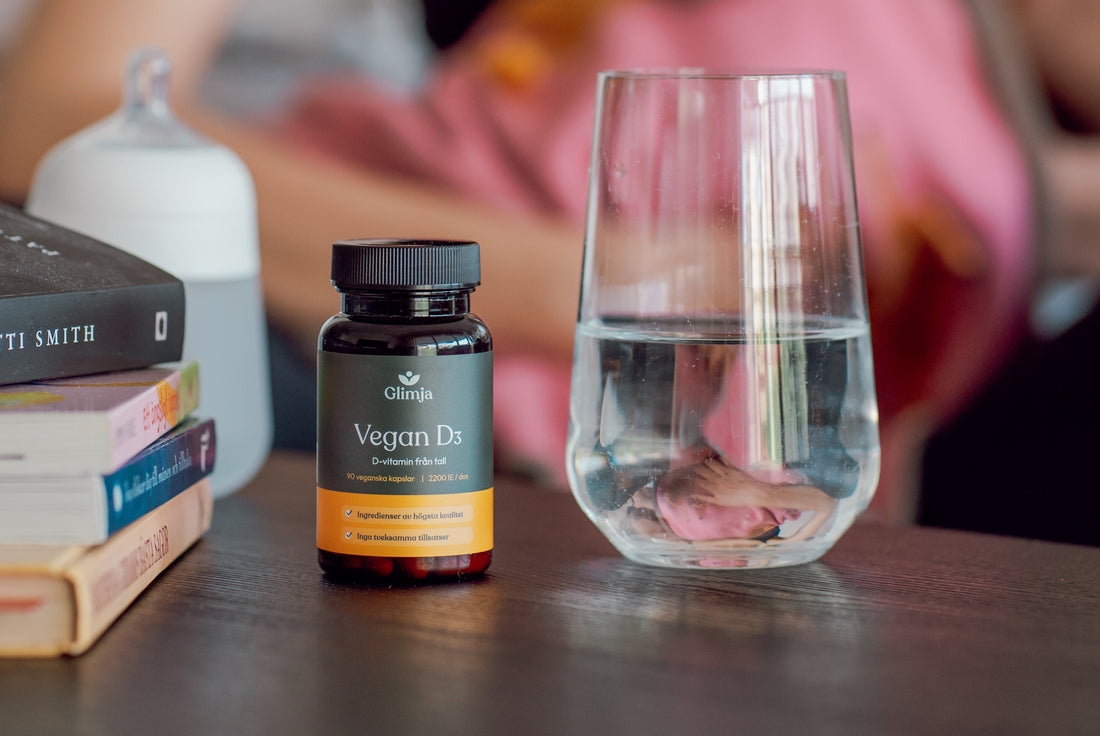
Having a jar of magnesium out in the open makes it easier to remember to take it. Many find it helps with tense muscles, poor sleep, or anxiety the week before their period.
Tea that matches how you feel today
An herbal tea can do more than just warm you up. Lemon balm is known for its calming support, ginger for its warming effect, and raspberry leaf is traditionally used in the later phase of the cycle. Choose what feels right for the moment.
Food that’s already prepared
Nutritious foods containing fiber, fat, and protein help keep blood sugar stable. Having something ready in the fridge makes it easier to eat regularly and avoid fluctuations that often get worse before your period.
Seeds and spices with benefits
Seeds like sunflower, sesame, and pumpkin contain nutrients like zinc, magnesium, and vitamin E. Spices like turmeric, cinnamon, and cardamom taste great and can also support digestion and blood sugar balance.
Reminders you actually use
Write down what usually helps you and keep it handy on your phone. It could be taking a break from screens, going outside for a while, or going to bed a little earlier. Having your own list makes it easier to choose something that supports you when you don’t have the energy to think it through.
One step at a time
You don’t have to do everything at once. You might start by cutting out coffee the week before your period, or adding an extra vegetable to dinner. Or you might do nothing right now but start noticing what affects you.
That’s also a step. The body isn’t trying to complicate things. It’s trying to talk to you. And the more you listen, the clearer it becomes what it needs.
→ Read also: Eating in sync with your body - the food that matches your cycle