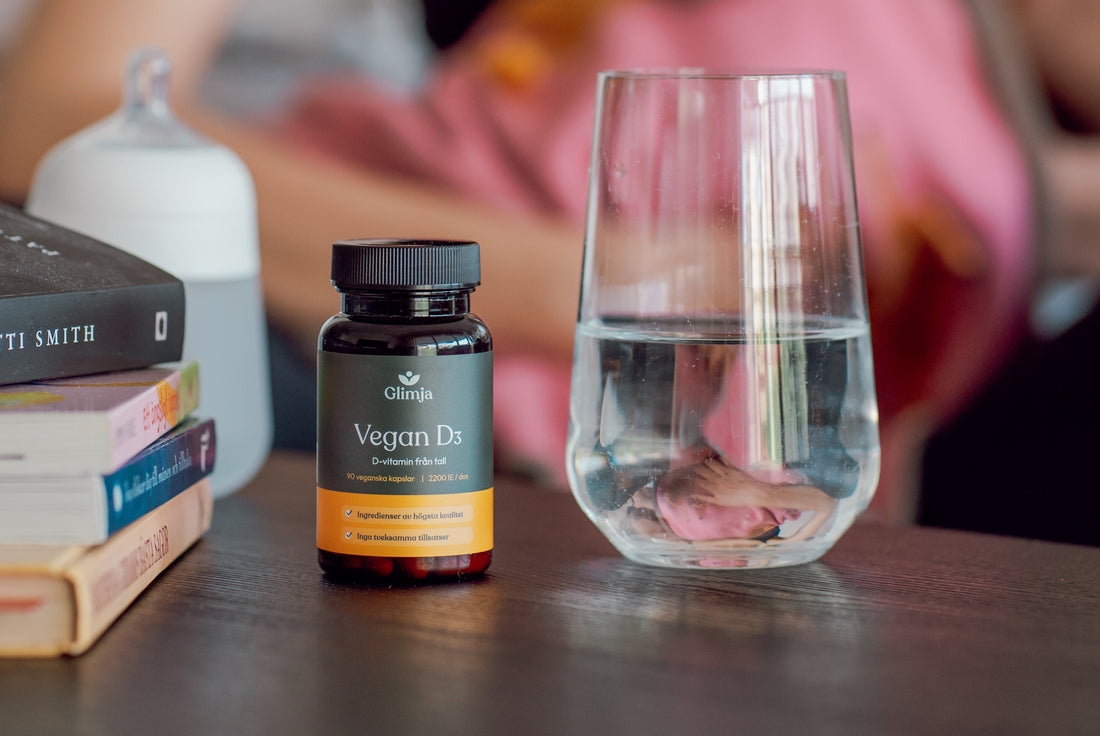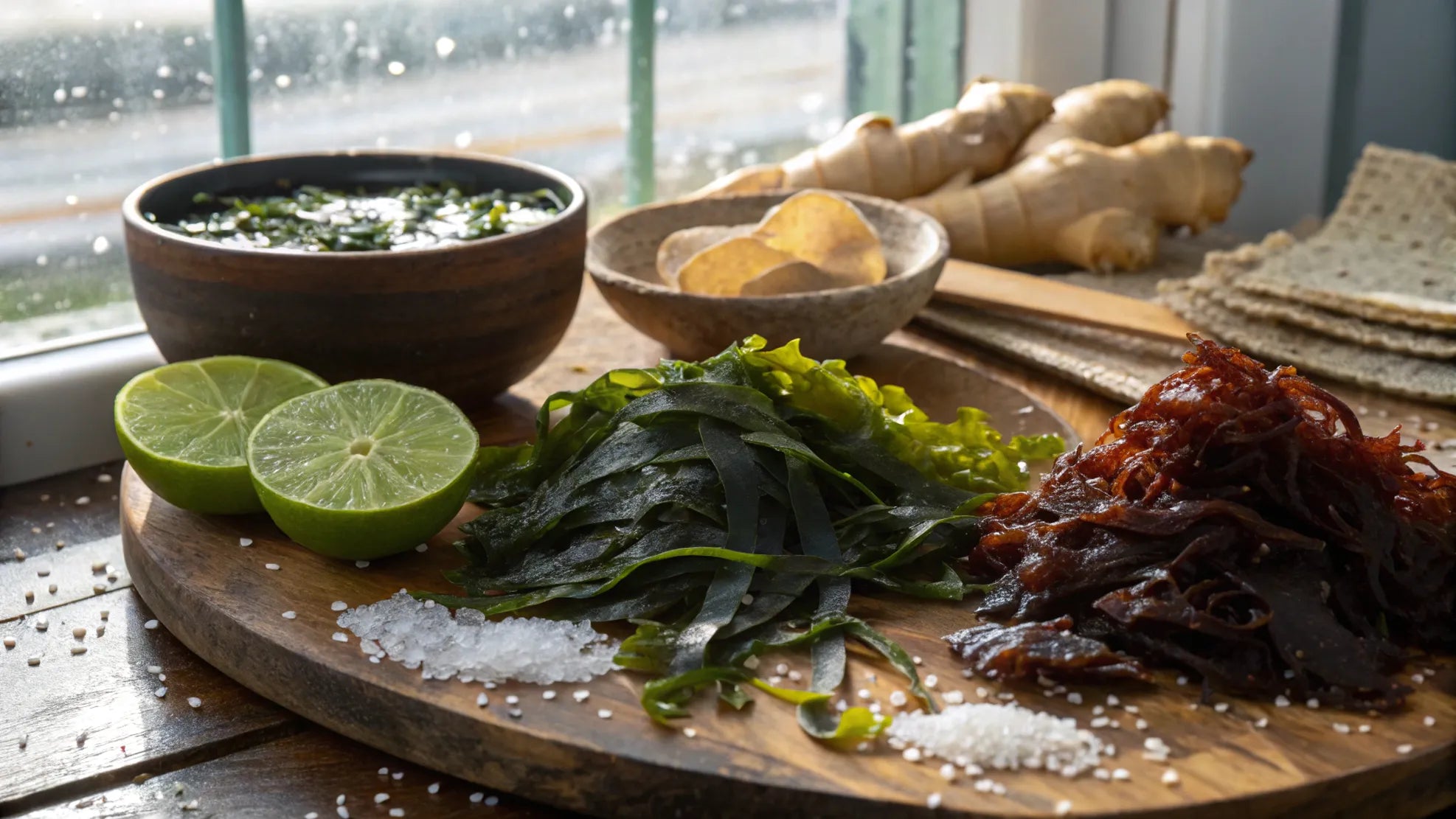
- Seaweed is an excellent source of micronutrients including folate, calcium, magnesium, zinc, iron, and selenium, and it is a very good source of iodine. Seaweed thus supports the thyroid, as iodine is used by the thyroid to synthesize hormones. Additionally, kelp also contains tyrosine, an amino acid that also contributes to the production of thyroid hormones.
- Seaweed promotes digestion. Kelp is a fiber-rich food, an important nutrient that plays a central role in digestion. In particular, increased fiber intake can help prevent constipation.
- Seaweed is also said to lower cholesterol levels and stabilize blood sugar levels.
- Seaweed contains 85% less sodium than table salt. It gets its salty taste from minerals like potassium and magnesium, making it a healthy salt alternative.
Common questions about seaweed
Aren't algae and seaweed the same thing?
The term algae refers to plants that live underwater. This includes everything from microalgae to seaweed and kelp (macroalgae).
Algae live in both freshwater and seawater, whereas what we call seaweed only refers to algae living in seawater.
Seaweed refers to several species of macroscopic, multicellular marine algae, certain types of red, brown, and green algae. Simply put, they can be divided into green, red, and brown algae.
- Green algae such as sea lettuce, sea salad, luva, and dunaliella salina.
- Brown algae like kombu, arame, kelp, wakame, and hijiki, bladderwrack and knotted wrack. Kelp refers to the dried and ground kombu. Several Swedish algae are also edible, including knotted wrack, which grows in calm sea areas.
- Red algae such as dulse and nori.
- Blue-green algae include spirulina, AFA algae, and chlorella.
Why is seaweed so nutritious?
Seaweed contains a unique combination of all 56 vitamins, minerals, electrolytes, and trace elements essential for human health, absorbed directly from sunlight and the sea: it is truly a natural, pure superfood.
Because the nutrients in seaweed are in their natural form, they are easily absorbed and processed.
The harmonious balance of elements in seaweed makes it nutritionally more potent than any other vegetable on land.
The nutrients enable each other to function optimally. For example, calcium needs potassium and magnesium to be absorbed naturally: seaweed is high in both.
Can you get too much iodine from seaweed?
Yes, you can, but you shouldn’t overdo your consumption. However, it’s hard to eat too much seaweed because the flavor is so potent.
Be sure to enjoy it in moderation as part of a healthy, well-rounded diet.
Boiling seaweed before consumption is an easy way to reduce iodine content.
What can I do with my Dulse?
Dulse is great for cooking!
Dulse can help highlight and enhance the natural flavor of vegetables as it contributes Umami.
To get even more vitamins and minerals into a meal, you can sprinkle Dulse flakes on, for example, kale or broccoli.
Chefs have always enhanced chocolate flavors with salt, chili, and ginger, and Dulse works just as well. Dulse makes your chocolate more intense in flavor and adds a twist you don’t get every day.
Just combine a pinch of Dulse flakes with the other dry ingredients in your brownie or truffle recipe and enjoy.
If you love sauces and want to try something a little different, why not try making your own Dulse sauce or dressing?
Mexican fans appreciate adding a generous spoonful of Dulse flakes to their guacamole for an incredible flavor and mineral boost. See recipe below.
7 recipes with seaweed
1. Arame marinade
- 30 g Arame seaweed
- 1/2 dl tamari
- 1 large piece of finely grated ginger
- Juice from one organic lime
- You can add garlic, chili, pepper, sesame seeds to the marinade, according to your taste cravings of the day.
First soak the seaweed for 10 minutes and rinse it, then place it in a large bowl.
Mix the marinade and pour over the seaweed. Let stand at least 30 minutes in a cool place.
This is a great start for many recipes. You can then mix them into a salad or with vegetables you like, such as this asparagus recipe below.
2. Asparagus and leek with arame marinade
Ingredients:
1 leek
1 bunch of asparagus
- Remove the tough end of the asparagus, about 2 cm. Cut the asparagus into pieces about 2-3 cm long.
- When the water starts boiling, blanch them for about 5 minutes.
- Take them out and rinse under cold water to retain their bright green color.
- Sauté the leek.
- Mix it, asparagus, and the cooked arame seaweed (see recipe above)
- Sauté everything for a few minutes and it’s ready.
3. Miso mushroom salad with arame seaweed
Ingredients: 1 head red cabbage, shredded 30 grams Arame (soak the seaweed for 10 minutes first and rinse) 3 carrots, shredded 1/2 – 1 medium jalapeño or habanero pepper 5 dl Shiitake mushrooms (or other mushrooms) cut into longer pieces / marinated
Mushroom marinade:
1 dl olive oil
1 dl tamari
1 tsp coconut sugar or date sugar
Let the mushrooms marinate for at least 30 minutes.
Miso dressing:
1 dl light miso
1 dl freshly squeezed orange juice
1 tbsp maple syrup
2 tbsp sesame oil
1 garlic clove (peeled/chopped)
2 tbsp grated ginger.
2 tbsp tamari
- In a large bowl, combine red cabbage, arame, carrots, and ground hot pepper.
- Pour over the miso dressing, let rest for a few minutes.
- Top with marinated mushrooms and a little more dressing before serving.
- Enjoy eating with chopsticks.
4. Hummus with dulse
Ingredients:
1 large handful Dulse (should be washed and chopped).
5 dl cooked or sprouted chickpeas or mung beans
2 tbsp lemon juice
- Season with salt & pepper
- Blend everything together.
5. Dressing with kelp
Ingredients: 1 dl cashew nuts (soaked) 1 dl water 1 tbsp extra virgin olive oil 1 tbsp nutritional yeast juice from 1/2 lemon 1 tsp Dijon mustard 1 tbsp capers (chopped) 1 garlic clove (chopped) 1 tsp tamari 1 tsp kelp powder
- Blend cashews with water in a powerful blender until like a smooth "cream."
- Add the rest of the ingredients, blend again until smooth.
- If the dressing is too thin, add 1/2 tsp chia seeds; if too thick, add more water.
- Season with salt and pepper.
6. Guacamole with seaweed
1 tbsp Dulse or Sea Salad (Dulse should be washed and chopped). 1 avocado, diced 1 spring onion – chopped 1 tbsp lemon juice 1/2 tsp cayenne pepper Blend everything together.
7. Pesto with dulse and coriander
Ingredients:
2 tsp Dulse
4 garlic cloves
2 cups fresh coriander, including stems
1/3 cup Brazil nuts
1/3 cup sunflower seeds
1/3 cup pumpkin seeds
2/3 cup flaxseed, hemp, rapeseed, or extra virgin oil.
4 tablespoons lemon juice
Sea salt to taste
- Wash the coriander well, place it in a food processor with the oil, and process until combined.
- Add garlic, nuts, seeds, Dulse, lemon juice, and blend into a paste.
- Season with sea salt and blend again.
- Store in a glass jar in the refrigerator. It can also be frozen.