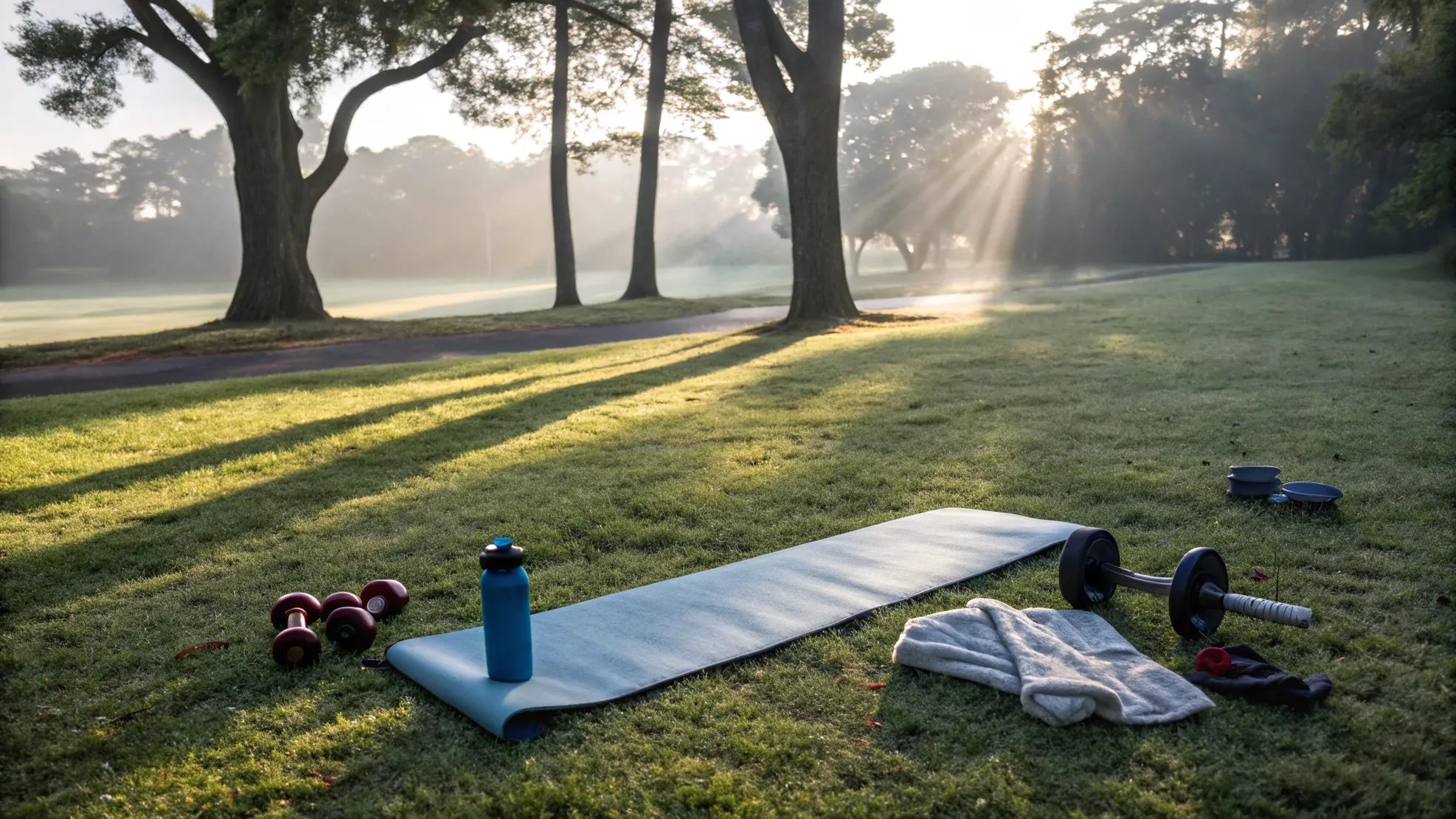
When you are stressed, it’s easy to skip physical activities to save time, but that is exactly when it’s extra important to take care of your body and move as much as possible.
You can actually handle a high stress level in daily life better if you use continuous, preventive exercise.
Your resilience to stress increases significantly if you move at least half an hour a day. Split it into two 15-minute sessions if that works better.
As long as you prioritize recovery, movement, and sleep, your body can handle stressful periods without damage.
However, if you don’t make time for exercise and recovery, you risk gradually developing exhaustion symptoms and, in the worst case, burnout.
Stress
Stress is a natural and necessary reaction in our bodies. When you get stressed, your stress hormones increase, such as adrenaline and cortisol.
Our bodies handle stress in different ways, so the symptoms of long-term stress can vary.
If you have a lot of stress in your life, you need to prioritize addressing it, because long-term stress is harmful, aging, and disease-causing.
Adrenaline and noradrenaline
Adrenaline and noradrenaline are neither good nor bad – they are necessary for our survival.
Stress hormones are released in the body when you feel threatened. This can be a direct threat like fleeing from a lion, but also when you are in a stressful situation, such as giving a presentation, attending a job interview, or arguing with your partner.
If you have been stressed for a long time without recovery, you may eventually start feeling anxious, restless, irritated, and have trouble falling asleep because of the adrenaline.
Anything that worries you or things you haven't processed yet are sensed by your brain as stress. Adrenaline is released, giving you an unwelcome energy boost.
Cortisol
When it comes to cortisol, it is a fairly easy hormone to influence.
Cortisol has a variety of functions. In acute stress situations, it can help you perform better, both physically and mentally, but high levels over the long term are not good.
Usually, it is enough to stop using stimulants like caffeine and sugar and focus on optimizing your sleep.
Vitamin B, especially vitamin B6, has good effects on stress levels, magnesium because it relaxes muscles, and zinc because it acts as an antagonist to cortisol.
Stress management
When you’re stressed and also when you exercise, the levels of adrenaline and cortisol in the body increase. But after you’ve exercised, the stress system relaxes and the release of stress hormones decreases.
Exercise also burns stress hormones in the muscles and blood and helps you start your recovery.
Exercise also releases endorphins in the brain that boost your mood.
When you exercise, you also stop thinking about what stresses you, and you get other thoughts that give your brain a valuable break.
Try to exercise with someone else. Social interaction can be relaxing and strengthening for mental health.
Stress-preventive exercise
Cardio training has been shown to have very good effects on stress-related problems. Take a brisk walk, swim, or dance.
The optimal amount is at least half an hour, three times a week, and the key is to raise your heart rate during the session.
Cardio training also has positive effects on the brain as it receives more oxygen and blood.
In addition, cardio training can reduce feelings of nervousness and worry, which in turn can help prevent stress.
Regular exercise is also important for sleep.
The most important thing, however, is an active lifestyle, exercise, and training because the release of our stress hormone decreases after a workout regardless of the activity chosen.
Remember to have fun! That’s why dancing is such a great form of exercise. You can find various classes by searching on YouTube, like this fun 90s dance workout.
As a woman, you can also adjust your workout according to where you are in your menstrual cycle.
Exercise outdoors
If possible, try to exercise outdoors. Being out in nature can lower high blood pressure, reduce the risk of depression, and help decrease stress.
Strength training
Strength training can also help you reduce stress levels.
In addition, you get stronger muscles, less pain, and better posture, which gives you better conditions for proper breathing. And breathing is important for health.
Yoga and qigong
Yoga can help reduce stress and make it easier to unwind. This is because yoga activates the parasympathetic system, the body’s “rest and digest” system.
Qigong works much like yoga. Qigong is a combination of movement, mindfulness, and breathing.
Everyday exercise
Find ways to exercise in your daily life! Take the stairs instead of the elevator. Get off the bus one stop early. Use your bike instead of the car. Have meetings while walking, and so on. Find opportunities to add more movement to your daily tasks.
Also reduce the time spent sitting still. Stretch your legs and walk around at least once an hour if you have a sedentary job or studies.
For those who don’t move at all, it’s about starting to do something instead of nothing. Every bit counts, and the only thing you can “do wrong” is to do nothing at all!
Recovery
It’s not the stress that’s dangerous – it’s the lack of recovery during stress. After exercise, natural recovery begins.
Focus on good sleep, rest, meditation, and mindfulness, which are important for recovery.
Meditation is especially important for lowering cortisol levels. Try to fit in 10-15 minutes of meditation, preferably both morning and evening. It only takes a few days before you notice the effect.
There are various relaxing guided meditations you can find by searching on YouTube, such as this one.
Summary
- Exercise "burns off" stress hormones and triggers recovery.
- Exercise releases endorphins in the brain that boost your mood.
- Consistent, preventive exercise helps you handle high stress levels better.
- Do cardio for at least half an hour, three times a week.
- Feel free to do strength training, but avoid long or exhausting sessions.
- Yoga, qigong, and meditation have amazing effects on cortisol levels.
- Attend yoga 1-3 times a week.
- Meditate at least 10 minutes every day, preferably both morning and evening.
Do you have questions or tips about stress and exercise? Write a comment!