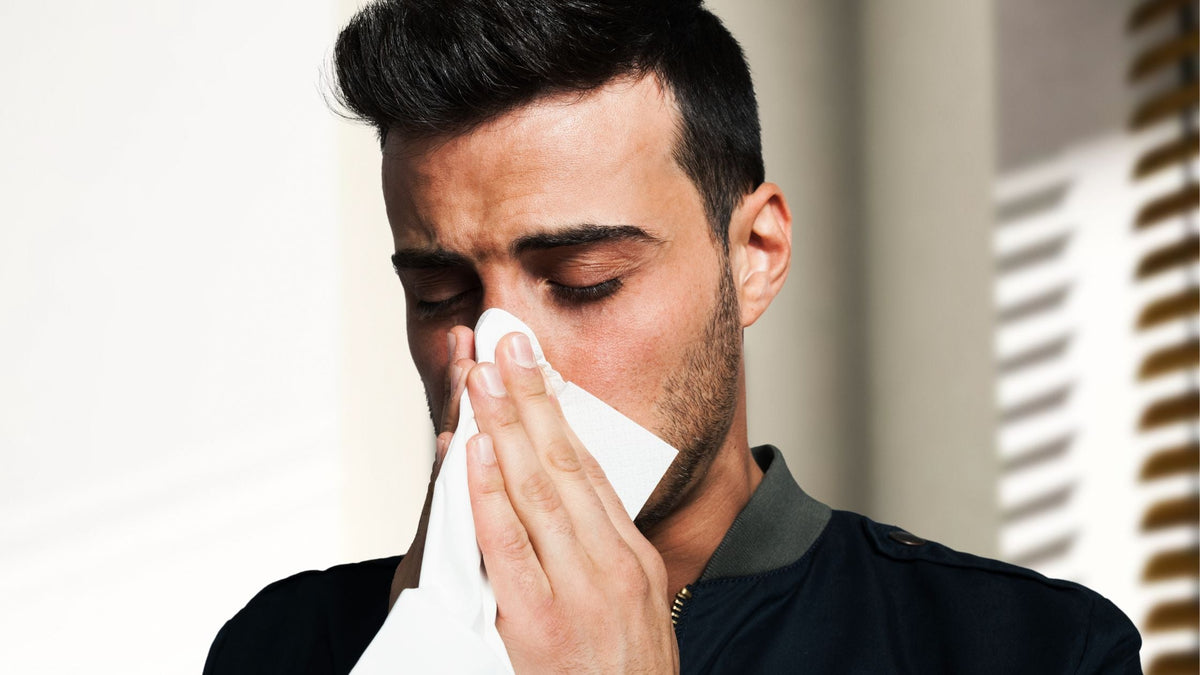
You and your colleague catch the same virus. She’s laid up for a week, while you barely notice anything. But does that mean your immune system is stronger? Not necessarily. The answer has less to do with the virus and more to do with you.
When we catch a cold or get the flu, we tend to see the virus as the main character. But research increasingly shows that the body’s own circumstances play a major role in how an illness develops, and you can influence those circumstances more than you might think.
Why do some people get sick from the same virus while others don’t?
Researchers have actually tested that very situation with you and your colleague. At Carnegie Mellon University in the US, healthy volunteers had cold viruses dripped directly into their noses. Same virus, same amount – yet far from everyone got sick. The difference lay in how stressed they were, how they slept and how active their social lives were.
A study from Stanford then compared the immune systems of twins. And here, too, the conclusion pointed in the same direction: it’s mainly how we live, not our genes, that makes our immune systems differ.
What are symptoms, and why do you get a fever?
Fever, aches and fatigue don’t come from the virus, but from your own immune system at work. When immune cells try to fight the pathogen, inflammation starts, and that’s what you feel.
How strong the inflammation becomes then depends, among other things, on:
- how quickly the body’s first line of defense detects the virus – the earlier, the less effort is needed
- whether you’ve encountered a similar pathogen before
- your underlying health. A body that is already stressed or inflamed often reacts more strongly.
A fever isn’t pleasant, but it’s not something we want to get rid of either. The heat makes immune cells work faster, and the fatigue forces you to rest so your body can focus on what it needs to do. If a fever lasts a long time, it doesn’t mean your body is failing to fight the infection; sometimes the infection is simply tougher (but you should always contact a healthcare professional if you have a high fever for several days). And not getting a fever at all is also normal with, for example, a common cold.
But the pattern over time says more than a single fever. If infections often drag on, or you often get sick without developing a fever, it may be worth reviewing your sleep, stress and nutrition, and perhaps asking a healthcare professional to check things out.
Stress can hide how run-down your body is
The stress hormone cortisol acts like the body’s fire blanket: it dampens inflammation so you can keep going. This may also explain why some people get sick just as their vacation starts: when the stress lifts, the fire blanket is removed, and inflammation that had been held back can flare up.
If stress persists for a long time, however, immune cells stop listening to cortisol, a bit like when you stop hearing an alarm you’ve grown used to. Then the inflammation becomes difficult to switch off.
The result can be low-grade inflammation: weak but constant. It doesn’t feel like being sick, but shows up as fatigue, aches, or stiffness that never quite goes away. Over time, it is linked to several of our most common chronic diseases.
Can lifestyle change the immune system?
For a long time, people thought the immune system mainly learned new things when it encountered a pathogen. Today we know that the body’s first line of defense can also be trained, and not just by viruses.
In a German study, mice were fed fast-food-like food for a month. Their immune cells shifted into a more easily triggered state, responding with stronger inflammation even to small signals, and remained that way for four weeks after the mice were given regular food again.
From this perspective, it may sound as though a better diet makes no difference, but the body changes in different layers and at different rates. Inflammation in the mice’s blood disappeared quickly when they changed diets. However, their immune cells’ deeper memory took a little longer to adjust.
The gut microbiome also starts to change within a few days when you change your diet. When adults in a Stanford study, for example, ate a lot of fermented foods for ten weeks, 19 different inflammatory markers in their blood decreased. So you may notice changes within days and weeks, while the deeper shift takes longer. What matters is the direction and sticking with it.
Sleep, movement, and the gut - this is what affects the immune system
Remember the volunteers who had cold viruses dripped into their noses? We talked about how their daily lives and lifestyles turned out to play a big role in who stayed healthy. Here are some of the habits that help us get sick less often.
Sleep.
In cold studies, those who slept fewer than six hours were four times more likely to get sick than those who slept more than seven hours.
Relationships.
People with rich social lives caught colds less often, even though they met more people.
Movement.
Adults who exercised at least five days a week had 43 percent fewer days with respiratory infections.
Moderate stress.
In a Dutch study, 3,000 participants were asked to finish their showers with cold water. They weren’t sick for fewer days, but they took 29 percent fewer days off work. A body that regularly encounters a little discomfort or resistance probably gets better at handling stress, including illness.
The gut.
When gut bacteria digest fiber, they produce short-chain fatty acids, which help the immune system kick in when needed and calm down otherwise. How much of these fatty acids are produced depends mainly on how much and how varied the vegetables, legumes, and whole grains you eat are. In mice, a high-fiber diet protected against influenza: immune cells became better at eliminating the virus, and the lungs had less harmful inflammation.
How do environmental toxins affect the immune system?
Some chemicals can disrupt immune cell signaling and weaken the cells that produce antibodies, especially substances that break down slowly and accumulate in the body.
The best-known are PFAS, often called forever chemicals. They are found in non-stick frying pans, water-repellent clothing, some food packaging, and firefighting foam, among other things, and have contaminated drinking water in several locations in Sweden. Children with higher PFAS levels have been shown to have poorer antibody responses after vaccination. Of all the possible health effects of PFAS, the immune system is affected at the lowest levels. The same also seems to be true of bisphenol A, which has been found in plastic and cans.
It can be hard to avoid everything, but you can reduce your exposure by, for example, avoiding non-stick cookware and plastic when heating and handling food. Water filters and filter pitchers can also remove a large proportion of the PFAS residues that may be present in drinking water.
Why might you feel worse when you start taking care of your body?
Many people who change their habits initially feel worse. In holistic health, this is seen as the body finally having the energy to react. This hasn't been researched much, but it makes sense: an immune system with more nutrients is better equipped and can respond more clearly.
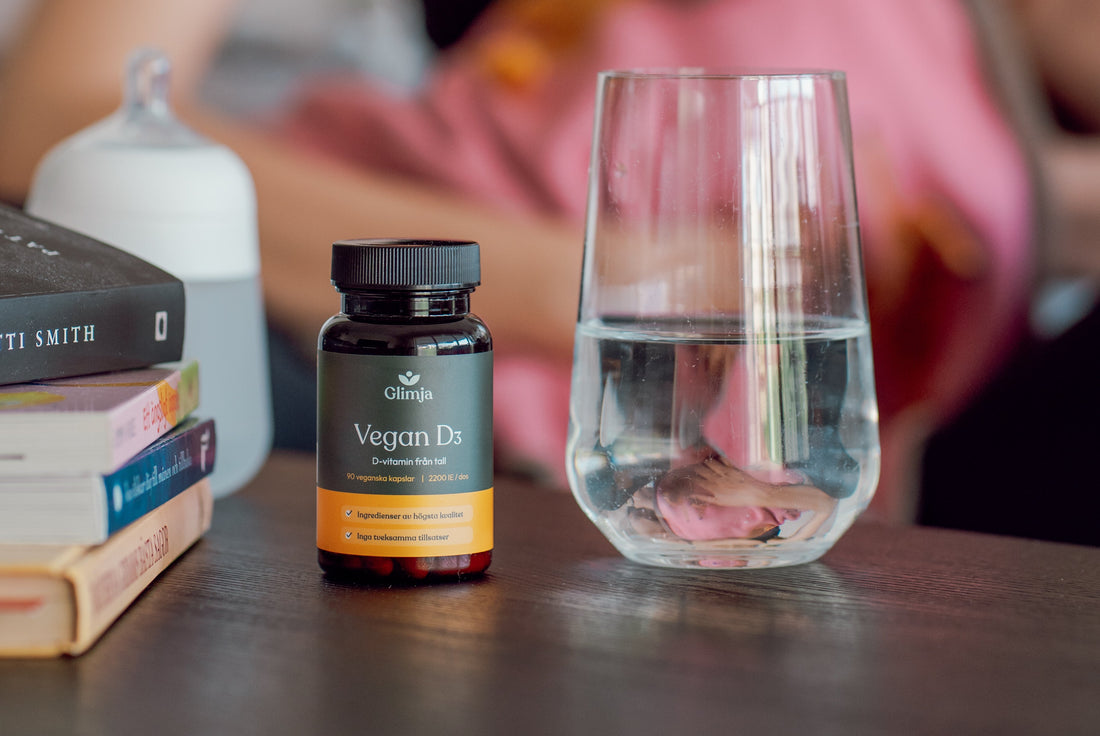
However, it's important to remember that not everything is healing. If you react strongly or develop symptoms that don't go away after starting a supplement, it may be a side effect or sensitivity. In that case, stop taking the supplement and seek medical advice if the symptoms don't go away.
So, is it good never to get sick?
It may be a good sign, but it doesn't tell the whole story. Instead, ask yourself how you feel between infections. Are you full of energy? Or are you carrying a fatigue that never lets up, and getting sick as soon as you get a chance to rest?
A strong immune system responds when needed and then returns to a state of calm. And you build that balance every day through how you sleep, eat, move, and live.
Sources
- Cohen S, Tyrrell DA, Smith AP. Psychological stress and susceptibility to the common cold. New England Journal of Medicine, 1991.
- Cohen S et al. Social ties and susceptibility to the common cold. JAMA, 1997.
- Prather AA et al. Behaviorally assessed sleep and susceptibility to the common cold. Sleep, 2015.
- Cohen S et al. Chronic stress, glucocorticoid receptor resistance, inflammation, and disease risk. PNAS, 2012.
- Brodin P et al. Variation in the human immune system is largely driven by non-heritable influences. Cell, 2015. PubMed
- Christ A et al. Western diet triggers NLRP3-dependent innate immune reprogramming. Cell, 2018. Summary, News-Medical
- David LA et al. Diet rapidly and reproducibly alters the human gut microbiome. Nature, 2014.
- Wastyk HC et al. Gut-microbiota-targeted diets modulate human immune status. Cell, 2021. Stanford Medicine
- Nieman DC et al. Upper respiratory tract infection is reduced in physically fit and active adults. British Journal of Sports Medicine, 2011.
- Buijze GA et al. The effect of cold showering on health and work: a randomized controlled trial. PLOS ONE, 2016. PMC
- Trompette A et al. Dietary fiber confers protection against flu by shaping Ly6c− patrolling monocyte hematopoiesis and CD8+ T cell metabolism. Immunity, 2018. Monash University
- Grandjean P et al. Serum vaccine antibody concentrations in children exposed to perfluorinated compounds. JAMA, 2012.
- Efsa. Risk to human health related to the presence of perfluoroalkyl substances in food, 2020. Efsa on PFAS
- Efsa. Re-evaluation of the risks to public health related to the presence of bisphenol A in foodstuffs, 2023. Packaging Insights