Vitamin C Gummies 60 pcs - MaryRuth's


- ✓ Vegan vitamin C for all ages
- ✓ Soft, easy-to-chew & delicious gummies
- ✓ Vegan with natural flavor

Magnesium Glycinate 180 capsules - Glimja

Multimineral 60 capsules - Glimja

B-Complex 60 capsules - Glimja

Triple Magnesium 90 capsules - Glimja

Vitamin C Buffered 500mg 180 capsules - Glimja

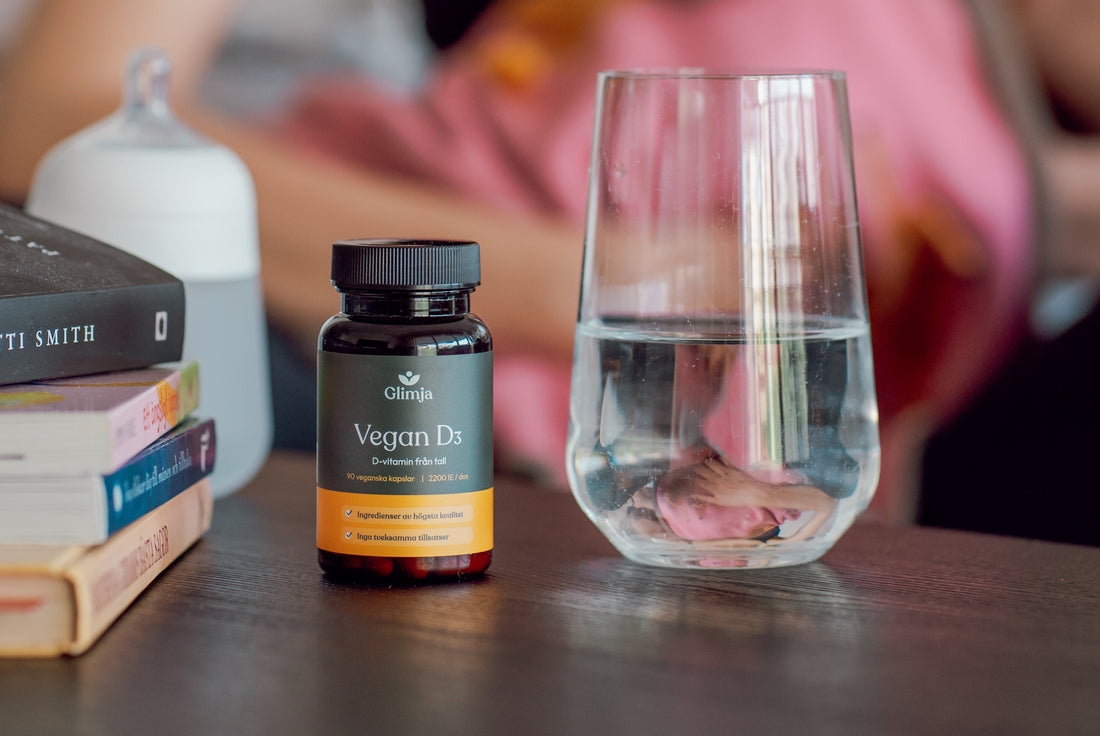
Vegan Vitamin D3 50 µg 2000 IU 90 capsules - Glimja

L-lysine 180 capsules - Glimja

Liquid B-12 Active 100 ml - Glimja


Description
Vitamin C Gummies are vegan vitamin C chews containing 125 mg of vitamin C per serving. They are suitable from 4 years of age and are a convenient option for both children and adults who prefer chewable supplements over capsules and tablets.
Soft, delicious and easy to chew
The soft, easy-to-chew gummies have a delicious orange flavor and get their color naturally from annatto. They are sweetened with organic raw cane sugar for a pleasant sweetness.
Vegan
All MaryRuth's products are vegan, gluten-free and free from unnecessary additives. The natural flavors are made under strict controls without harmful substances such as aspartame, GMOs or glycol, which may otherwise be included.
Nutritional information
Ingredients
Dosage
Manufacturing
Storage
Size
60 gummies
Frequently Asked Questions

High quality, good price


Liquid Zinc 100 ml - Glimja


Magnesium Glycinate 180 capsules - Glimja


Liquid Active B-12, 30 ml - Glimja


Spirulina powder from USA 250 g - Glimja


Vitamin C Buffered 500mg 180 capsules - Glimja


Organic Barley Grass Juice Powder 250 g - Glimja


Multivitamin 60 capsules - Glimja


Vegan Vitamin D3 50 µg 2000 IU 90 capsules - Glimja


Magnesium Complex 180 capsules - Glimja


L-lysine 180 capsules - Glimja


Lactic acid bacteria 60 capsules - Glimja