Health Blog
Health Blog

How to Take Care of Your Liver - 7 Effective Methods
When it comes to health and well-being, a healthy liver is one of the most important components. The liver is your second largest organ and performs hundreds of vital tasks in your body every day. Among other things, it ensures that you get the nutrients you need, that toxins are filtered out of your blood, and that your blood sugar is balanced so you feel alert and full of energy. An underperforming liver can have a significant impact on your health and cause many different noticeable symptoms, such as fatigue, allergies, nausea, and brain fog. Fortunately, there is a lot you can do to support your liver. Some things that have a big effect Lemon water Drinking a large glass of pure water with a splash of freshly squeezed lemon or lime first thing in the morning is one of the easiest ways to help your liver. The water helps flush through your system after the night, while the lemon or lime makes the water more absorbable and “alive” to hydrate cells and restore balance in the cells. Exercise Sweating and getting your blood pumping properly is perhaps the most effective way to relieve the liver. When we exercise, the body has the opportunity to excrete toxins through the skin and lungs, while the blood moves out into all tissues and increases the turnover of nutrients and waste products. This allows the liver to get a little extra air and focus on more important functions. Eating habits What we eat is obviously central to the liver’s well-being. Heavy and processed foods, white sugar, cheap fats, and additives such as flavorings and sweeteners are all things that can overload the liver. Foods that make the liver especially happy include fruits and vegetables, berries, seaweed, avocado, sprouts, and fresh herbs like ginger, coriander, parsley, and basil. Green juice If you want to give your liver an extra boost, drink a green juice every morning before breakfast. Pure celery juice is very good, but also cucumber, apple, fennel, leafy greens, as well as lemon and ginger. Among green foods in powder form that are liver-friendly, we find wheatgrass, barley grass, spirulina, and AFA algae. Herbs for the liver There are many herbs that support the liver. Among the superstars are dandelion root, lemon balm, turmeric, chaga, reishi, milk thistle, burdock root, and peppermint. You can buy these in various forms, such as tinctures of pure herbs, ready-made blends, or dried herbs to make your own tea. Supplements for the liver Nutrients that can support the liver include vitamin C, vitamin B12, zinc, selenium, magnesium, glutathione, and Q10. Fasting/Detox Regularly giving yourself a period of extra clean eating or fasting where you replenish with nutrients in the form of juices and supportive herbs is one of the best things you can do to give your liver space to “deep clean” and regenerate itself. There are many different cures and philosophies around this. Our experience is that the important thing is to be kind to yourself and find something that suits you. Cures that require extreme discipline and hunger/nausea are usually not recommended as they can do more harm than good, because too many toxins are released at once and overstrain both the body and mind. You can benefit from reflecting on how you want to approach this. We hope this little guide was helpful. Feel free to contact us if you have questions about what might suit you best!
Read more
5 Simple Recipes with Powerful Herbal-Based Superfoods
Ashwagandha is considered the most prominent adaptogenic herb in Ayurveda (traditional Indian medicine). It is also called Indian ginseng. Ashwagandha is energizing for those suffering from exhaustion or fatigue and balances the body, making it a very popular herb in our modern society where many experience stress. Chocolate treats with Ashwagandha Ingredients (about 14-18 pieces) 1 dl tahini 1 tbsp almond butter (or other nut butter) 2 tbsp honey or yacon or maple syrup 1 dl organic, chopped dark chocolate 2 tbsp ashwagandha powder, drops, or opened capsules 2 tbsp cocoa powder (or carob if you are sensitive to cocoa) 2 tbsp hemp seeds 1 tsp cinnamon powder 1 tsp ginger powder 1 tsp cardamom powder 1/2 tsp vanilla extract To roll in: organic hemp seeds, coconut flakes, or sesame seeds. How to make Put tahini, nut butter, and honey in a bowl and mix until smooth. Add all powders and mix until well combined. Mix in vanilla extract and hemp seeds. Mix in the chopped chocolate. Add more cocoa powder, a little at a time, until the dough is thick enough to hold its shape. When the dough is thick enough and does not stick to the sides of the bowl, roll the mixture into suitably sized balls. Roll in sesame seeds, coconut flakes, or hemp seeds. Store in the refrigerator. Pau D'arco from South America Pau D'arco is the inner bark of the Lapacho tree and is known and appreciated for its beneficial effects. It says a lot that the tree has great resistance to attacks from fungi, spores, and viruses. The inner bark contains, among other things, a powerful antibiotic substance as well as iron in an easily absorbable form and about 20 other minerals. Detox tea with Turmeric & Pau D'arco 1 tsp Pau D'arco mixed in 2 dl boiled water. Let steep for at least 4 hours. Of course, you can make more if you want. Strain off the bark. Blend in a mixer with: 1/2 tsp MCT oil and 1/2 tsp turmeric powder. The fat increases the absorption of the important nutrients from the tea. Moringa from Africa **Moringa contains minerals like iron and calcium and vitamins, totaling over 90 nutrients and about 40 antioxidants. Moringa is very rich in protein and also contains vitamin C, vitamin A, iron, calcium, selenium, beta-carotene, and quercetin. The leaves contain 18 of 20 amino acids, including all the essential ones. Moringa contains more calcium than bananas, more vitamin C than oranges, more iron than spinach, and more vitamin A than carrots. The plant grows very quickly, making it an excellent environmental choice. A true superfood in every way. Guacamole with moringa 1 large ripe avocado 4 ripe organic cherry tomatoes Fresh chopped coriander Juice from 1/2 lime 1 tsp moringa powder A pinch of Himalayan salt Strengthening smoothie with moringa 1 tsp moringa powder 1 banana 1 large handful of fresh chopped pineapple 2 dl fresh blueberries 1 orange (peeled) 1 tbsp coconut oil 1/4 ripe avocado Water or coconut water – use as much as you need for the desired consistency. Chaga from Scandinavia & Russia Chaga is now a well-known medicinal plant from northern latitudes such as Scandinavia and Russia. One of the body's most important antioxidants is an enzyme called SOD (superoxide dismutase). Chaga contains the highest amount of SOD of all known foods, which explains its high ORAC value (antioxidant value). Chaga also naturally contains vitamins, minerals, trace elements, polysaccharides, betulinic acid, melanin, phytonutrients, ergosterol, beta-glucans, saponins, sterols, triterpenes, and amino acid complexes. Protective lemon water with chaga Ingredients 1 organic lemon Chaga tincture or strong Chaga tea that has cooled Ice cubes How to make Slice half a lemon and place in a glass pitcher, then squeeze the other half into the liquid. Pour in the cooled chaga tea (you need 5 dl of tea). Add honey if you like it sweet. Stir and add a few ice cubes.
Read more
Complete guide to natural herbs for your health needs
Herbs and medicinal plants are truly nature’s gift to us; they can contribute in many ways to increased well-being. Here we share information about how they are prepared, which herbs you can choose, and about our various brands specializing in herbs. Adaptogens – stress management or more energy? Several herbs help with both stress management and increased energy, which may seem strange, but that’s because they are so-called adaptogens. Adaptogens help create a state of balance in the body and make the body more adaptable to different situations. They support the body in managing stress, promote stability, but can also provide energy. You could say the herb finds its way to what you need most. Yes, it’s actually a miracle that nature has given us. Feel free to read more about adaptogens. Which herb should I choose? It can be difficult to know which herbs to use to feel your best. The choice of herbs should be adapted to your needs and challenges where you are in life. If you only read descriptions or articles about different herbs, it can feel like you need them all. After over 15 years of experimenting, we have a tip to share: the herb or herbal blend you feel most drawn to is often exactly what you need right now. We have done many medical tests, kinesiology treatments, and various analyses over the years, and this simple truth is what most often holds true, even though it is very educational and beneficial to regularly visit a skilled nutrition therapist. Summary of Health Aspects If you’re wondering where to start looking, here is a brief summary of common herbs/plants and the health aspects they are most used for. Nettle is one of our favorites among wild plants. Dandelion | Liver | Gallbladder | Digestion | Lymph | Circulation Nettle | Energy | Kidneys | Skin | Joints | Nervous System Red Clover | Hormones / Hot Flashes | Nervous System | Skin | Bone Health | Energy Milk Thistle | Liver | Gallbladder | Yarrow | Hormones | Genital Area| Bacteria/Fungi Sage | Invaders | Blood | Immune system | Flu | Anti-aging Thyme | Invaders | Respiratory | Bacteria | Intestines | Cough Peppermint | Digestion | Fever | Headache | Stomach Cramps Meadowsweet | Gastritis | Digestion | Heartburn | Gallbladder | Pain Relief Lady's Mantle | Menstrual Cramps | Diuretic | Astringent | Connective Tissue Elderflower | Invaders | Flu | Allergies Lemon Balm | Relaxation | Sleep | Invaders Burdock | Blood | Liver| Skin Olive Leaf | Invaders | Heart | Antioxidant Oregano | Invaders | Bacteria/Fungi | Antioxidant Chamomile | Relaxation | Antispasmodic Bladderwrack / Blåstång | Thyroid | Joints Turmeric | Joints | Antioxidant Licorice Root | Digestion | Recovery | Respiratory Horsetail | Skin & Hair | Minerals | Bone health Hibiscus | Blood pressure | Antioxidant Marshmallow root | Mucous membranes | Diuretic | Stomach issues | Skin | Cough Plantain | Skin Prostate Uva Ursi / Bearberry | Urinary tract | Bacteria Pau D’arco | Invaders | Immune system | Fungi Eyebright | Ögon Raspberry leaf | Hormones | Menstrual cramps | Pregnancy Ginger | Digestion | Nausea | Joints Cranberry | Urinary tract Artichoke | Liver | Digestion | Diuretic Wormwood | Invaders | Digestion | Hydrochloric acid Clove | Invaders | Pain relief | Digestion Mullein / Great Mullein | Respiratory tract Anise / Fennel / Cumin | Digestion | Antispasmodic Propolis | Immune system | Invaders | Antioxidant Tulsi / Holy Basil | Relaxation | Sleep | Blood | Balance Moringa | Nutrition | Sleep | Blood Immune system | Balance | Antioxidant Immune system | Relaxation | Balance | Meditation Astragalus | Immune system | Blood | Balance | Anti-aging Rhodiola/Rose Root | Relaxation | Counteract fatigue | Balance Ginseng | Energy | Mental performance | Balance | Desire Siberian Ginseng / Russian Root | Energy | Immune system | Balance | Focus Schizandra | Liver | Nervous system | Balance | Skin | Concentration Ashwagandha | Relaxation | Energy | Balance Lion's Mane / Hedgehog Mushroom | Brain | Immune system He Shou Wu | Brain | Immune system | Blood | Yin Energy Energy | Focus | Physical endurance Maca | Energy | Desire | Physical endurance Gynostemma | Energy | Anti-aging | Balance | Immune system Immune system | Heart | Energy NOTE! Herbs are good to alternate and take in cycles. It is important to find a health program that works for you right now, and be open to the fact that it may change a few months later in line with the seasons, life situation, and other changes inside and around us. How are herbs prepared? How an herb is prepared depends on which substances you want to extract from the plant. Herbs for tea Herbal tea is a common way to use herbs for well-being. Whole, dried herb is the closest you can get to a freshly picked herb from a garden, but it lasts much longer. If you have the opportunity to pick yourself, you can dry the herbs on a large towel, a sheet, a drying tray, or in a drying oven. Herbal tea is suitable to make with plants rich in essential oils (plant extracts) such as peppermint, lavender, lemon balm, and rose. Simply put: the plants that have a strong scent. Herbs for tea need to steep for about 10-15 minutes. Infusions You can also make infusions from dried herbs. Infusions are made to extract as many minerals as possible from the plant. For example, nettle infusion provides a lot of magnesium. Good herbs for infusions are nettle, raspberry leaf, red clover, dandelion leaf, and lady's mantle. The herb then needs to be steeped in boiled water for 2 to 8 hours depending on whether it is leaves, flowers, or bark. An alternative to this can be making vinegar from an herb or root. Vinegar made from fresh plants provides both minerals and vitamins. Good plants for this include turmeric, garlic, chili, rosemary, horseradish, comfrey root, and ginger. Liquid extracts Extracts provide a convenient, fast way to get potent active compounds from a plant. They are usually taken one or several times a day with a little water or directly in the mouth depending on the herb. We offer liquid extracts with droppers or liquid extracts in capsule form. The liquid formula is then packaged in plant-based capsules for easy consumption. Medicinal mushrooms Medicinal mushrooms are offered as dried whole mushrooms, a piece of the mushroom such as the fruiting body, or as extracts. These mushrooms have significantly increased in popularity over the past 10 years as awareness of their health benefits has grown. There are water and alcohol extractions, but often both water and alcohol are used during extraction, and as a result, all bioactive components remain. Our favorite brands Gaia Herbs Produces full-spectrum herbal formulations to access all the beneficial compounds in a plant. They add no artificial ingredients and are rigorously quality tested at every step. Finding such fine liquid herbal extracts in capsules is rare. Nature's Answer Has been producing top-quality herbal extracts since 1972. Their alcohol-free extracts are made using a cold Bio-Chelated proprietary extraction process, resulting in a holistic, balanced, and advanced botanical fingerprint extract in the same synergistic ratios found in the plant itself. Global Healing Produces herbal extracts of exceptional quality in a unique way. Feel free to watch this video about how they do it. The result is some of the finest and most effective herbal extracts available on the market today, which we are proud to offer. Dragon Herbs Offers amazing herbs, plants, and mushrooms that they have carefully selected. Every Dragon Herbs product is a work of art and science, tempered with love and respect. Every ingredient is very carefully chosen. The goal of Dragon Herbs is to use the ancient knowledge from Traditional Chinese Medicine (TCM) to help modern people balance and strengthen ‘The 3 Treasures’ to live a long, happy, and fulfilling life. More information is available about medicinal mushrooms. Good luck and don’t hesitate to reach out if you have any questions about the herbs!
Read more
9 important dietary supplements for women's health and balance
As a woman, there can be a lot to keep track of when it comes to health. After a certain age, we often focus more than before on health in the form of exercise, healthy diet, balancing hormones, stress management, and bone strength. Our bodies are complex and need care every day and, for that matter, knowledge to feel their best. It can be tricky to choose the right supplements, but below is a list of selected supplements that may be valuable for you as a woman. Additionally, we have included both nutrients and herbs that women may need a little extra of. As always, supplements are a complement to the whole. As the name supplement shows, it is an addition to the diet and not a miracle cure. Supplements provide that little extra which can make it easier to stay "healthy in the long term," simply put. 9 important supplements for women 1. B-complex B vitamins counteract stress, reduce tiredness and exhaustion, and contribute to the health of skin and hair. You can either choose a B-complex that has a balance of all B vitamins or there are B-complexes with a little extra B-12 or B6. B6 can support both PMS and some menopausal symptoms. Extra need for B vitamins exists when taking birth control pills. Thornes B-Complex B12 contains B12 in the forms of adenosylcobalamin and methylcobalamin as well as folic acid and 5-MTHF. Thornes B-Complex 6 is a complex of B vitamins with extra B6 in both basic and active forms (pyridoxine and pyridoxal-5′-phosphate). Mega B Methylated is a supplement that contains all forms of B vitamins in specially selected forms. Methyl B-50 B-complex contains high doses of all B vitamins. Helhetshälsa's B-vitamin complex is a better choice if you want lower doses or for teenagers. 2. Lactic acid bacteria Good bacteria for the best of your stomach. Healthy bacteria can be especially beneficial if you have digestive problems like IBS, diarrhea, or similar. Certain strains of probiotics can also help with some bacterial issues, such as yeast infections and urinary tract infections. We have selected options suitable for women like this Once Daily Women from Garden of Life or Femme Flora from Holistic, but of course you can also choose others from our fine range. 3. Iron Extra iron may be needed especially during certain times in life, such as menstruation or during fertile years. A common cause of anemia, or low hemoglobin in the blood, is iron deficiency. When a person does not have enough iron stored in the body, it is not possible to produce red blood cells; which transport oxygen throughout the body. Then you may experience shortness of breath, feel chronically tired, or look pale. During the late stage of menopause, the need usually decreases, while it can be high during perimenopause. It is always best to have an iron test before taking iron to ensure you really need it. Allow two hours between taking iron and other mineral supplements. Iron is preferably taken with vitamin C. 4. Magnesium Magnesium is an essential mineral for strong bones and helps maintain normal bone structure. Leg cramps, insomnia, muscle spasms, headaches, and digestive problems like constipation can all be signs of magnesium deficiency. Magnesium also provides relaxation to the whole body while helping to maintain normal energy metabolism. We have a blog article about different types of magnesium that may be of interest. 5. Vitamin D with K2 Vitamin K2 and D3 work together for stronger bones. An important role they have is to get calcium absorbed from the diet into the skeleton. Vitamin K2 is important for directing calcium to the bone; without vitamin K2, excess calcium can be deposited as plaque buildup in the arteries. Vitamin D is an important nutrient for the body. 6. Vitamin C A fantastic antioxidant that supports progesterone production and is crucial for the normal function of the immune system. Vitamin C contributes to many things, including protecting cells from oxidative stress and reducing tiredness and fatigue. 7. Selenium A very powerful mineral and antioxidant that, among other things, contributes to normal thyroid function and the normal function of the immune system. Selenium enhances the immune system's protective effect and reduces damage from free radicals. 8. Coenzyme Q10 A powerful antioxidant. CoQ10 plays a role in "mitochondrial ATP synthesis," which is the conversion of raw energy from food (carbohydrates and fats) into the form of energy our cells use, called ATP. CoQ10 production decreases after about 40 years of age. Q10 can be especially important for women taking medications, at higher risk of cardiovascular diseases, and women being treated for these conditions. 9. Omega 3 Taking extra Omega 3 is a good idea. Most people do not consume enough omega-3 fats and/or have an incorrect ratio between omega-6 and omega-3. One reason omega-3 fatty acids can be so beneficial for many health aspects may be that they help reduce inflammation in the body, a root cause of many diseases. A daily intake of 250 mg DHA helps maintain normal brain function and normal vision. A daily intake of 250 mg EPA and DHA contributes to the normal function of the heart. Are you pregnant? Then read this article. Extra supplements for special needs L-Theanine – For relaxation and to counteract stress. Tao in a Bottle is a big favorite as it also contains beneficial herbs. Iodine contributes to the normal production of thyroid hormones / thyroid function. Iodine intake is crucial to produce the right amount of thyroid hormones. The thyroid needs iodine to produce the hormones T3 and T4, which help regulate your metabolism. The thyroid supplement with a blend of vitamin C, vitamin E, B12, iodine, zinc, selenium, copper, L-tyrosine, Ashwagandha, and L-leucine. Holistic ThyroBalans contains the amino acid L-tyrosine, which forms the backbone of thyroid hormones T3 and T4. ThyroBalans also includes brahmi, Siberian ginseng, vitamins, and minerals such as selenium, zinc, and iodine, all to support the thyroid. Uribalans – From Holistic, specially developed to support urinary tract health. A superb blend to help with urinary tract infections. Selected herbs for women Herbs have been used to create plant-based tinctures for thousands of years worldwide. Each has its special benefits and should be taken in cycles. Red clover – supports the skeleton, skin, and issues related to the lower abdomen such as dryness and menopausal symptoms. Red clover has a hormone-supporting effect. Yarrow – supports issues related to the lower abdomen and hormonal imbalance. Red clover infusion is said to ease menopausal symptoms such as night sweats, hot flashes, and dry mucous membranes. Good for both women with menstruation and during menopause. Ashwagandha supports relaxation and mental balance. It is an adaptogenic herb also known as "Indian Ginseng" and has become very popular. Nettle – supports bones, skin, and hair. Nettle is rich in chlorophyll and helps maintain steady energy. Nettle infusion is rich in minerals, especially magnesium. Schizandra is a powerful antioxidant and an adaptogenic berry with high nutritional content. Schizandra is highly valued as an herb for the skin and to support the liver. It is a profound adaptogen. Goji – an antioxidant considered a "beauty herb" in the Far East. In Asia, Goji is believed to preserve youth, health, and strengthen the whole body. Goji is often used in combination with other prominent herbs like Reishi and Schizandra. If you want to balance your hormones, consider exploring the topic further. Don't hesitate to get in touch if you have any questions!
Read more
Vitamin C for immune defense and collagen - Benefits & sources
Vitamin C is well known for being an antioxidant. In this article, we tell you about this amazing, essential vitamin. Powerful antioxidant Vitamin C acts as a powerful antioxidant in the body and helps protect cells from damage caused by free radicals. Free radicals are unstable molecules that can contribute to inflammation and chronic diseases. Antioxidants work to prevent and neutralize an excess in the body. This increases, for example, during intense exercise, smoking, stress, use of birth control pills, and sun exposure. An excess of such compounds creates oxidative stress in the body, meaning if the body's antioxidant defense is insufficient, the body is exposed to oxidative stress. Balance between formation and destruction is therefore very important for the body's cells to function optimally. Immune system protection Vitamin C plays a vital role in the immune system by promoting the production of white blood cells, which are important for fighting infections and diseases. Collagen support Collagen is a protein that provides structural support to various tissues in the body, including skin, bones, and joints. Vitamin C plays a crucial role in collagen synthesis and helps form and maintain healthy collagen fibers. By boosting collagen production, vitamin C helps improve skin elasticity, reduce the appearance of wrinkles, and support joint health. Vitamin C contributes to for the normal function of the immune system. to maintain the normal function of the immune system during and after intense physical exercise. to protect cells from oxidative stress. to reduce tiredness and fatigue. for normal collagen formation which is important for the normal function of blood vessels. for normal collagen formation which is important for the normal function of bones. for normal energy metabolism. for the normal functioning of the nervous system. for normal psychological function. to regenerate the reduced form of vitamin E. And last but definitely not least – vitamin C increases iron absorption. How to prevent vitamin C deficiency The simplest and most effective treatment for deficiency is simply to start changing your dietary choices. Including a variety of healthy, nutritious whole foods can actually help ensure you get enough sources of this important vitamin. However, some of these need to be eaten raw. Which foods contain vitamin C Citrus fruits, bell peppers, strawberries, tomatoes, broccoli, cauliflower, rose hips, Brussels sprouts, parsley, acerola cherries, chili, guava, cantaloupe melon, cabbage, kiwi, papaya, red and black currants are naturally rich in vitamin C. So the trick is to eat a colorful diet! Are vitamin C supplements necessary? Yes, it can definitely be needed during certain periods in life. The daily requirement varies depending on age, gender, lifestyle, medical history, exposure to toxins, stress, and dietary habits. Vitamin C is abundant in some foods, but the amount decreases with heating. Therefore, it is good to often eat raw fruits and vegetables and occasionally supplement with dietary supplements. Extra needs can arise during intense physical exertion or training. increased exposure to environmental toxins. increased sensitivity to infections. during illness. if you smoke. with anemia. under stress. during hormonal imbalances. in menopause. if you take birth control pills. How much vitamin C per day? 200 and 500 milligrams of vitamin C per day seem to be enough to experience health benefits. But in some cases, such as illness or a specific health condition that requires extra vitamin C, it can really be beneficial to take 1000 milligrams per day or more, preferably divided throughout the day. To absorb vitamin C and prevent it from being lost in the urine, it is best to take doses spread out over the day. If you experience a lot of stress, both vitamin C, a B-complex, and Omega 3 are recommended for optimal support of the nervous system and brain function. Different types of vitamin C supplements Liposomal vitamin C Liposomal means that the vitamin is encapsulated in microscopic bubbles (liposomes) filled with vitamin C surrounded by protective phospholipids. These can pass through the digestive system without being broken down by, for example, stomach acid. Instead, the vitamin is absorbed in the intestines, which can increase bioavailability. It is also a good supplement for those who want liquid supplements. Various liposomal vitamin C brands are available on the market, including Better You, Närokällan, Mary Ruth, Dr Mercola, Aurora, Liponaturals, and Quicksilver Scientific. We have information available about liposomal products. pH-neutral vitamin C pH-neutral vitamin C is gentle on the stomach because a mineral is added to neutralize the acid. It is therefore called pH-neutral or buffered vitamin C. The mineral helps the cells absorb the vitamin. Vimergy Micro C in powder, Vimergy Micro C in capsules, Magnum C with Nutra C, Holistic magnesium ascorbate, Better You calcium ascorbate, Better You capsules calcium ascorbate, Terranova magnesium ascorbate and potassium ascorbate with herbs Vitamin C with bioflavonoids Vitamin C works together with bioflavonoids, which are also powerful antioxidants that increase the absorption of vitamin C. Pureness vitamin C PUREWAY-C with citrus bioflavonoids Närokällan Super C with rosehip acerola and bioflavonoids Vimergy Micro C in capsules with rutin, acerola and rosehip Vimergy Micro C in powder with rutin, acerola and rosehip Better You capsules calcium ascorbate with rosehip Holistic Bioflav with citrus bioflavonoids Pureness Triple C with Camu Camu and citrus bioflavonoids Wholefood vitamin C "Whole foods" vitamin C comes directly from berries and/or fruit. Camu Camu and Amla are berries that are very rich in vitamin C. Blackcurrants are also very rich in vitamin C. Camu Camu powder in capsules, liquid vitamin C from amla fruit extract and blackcurrant, liquid PurC® vitamin C from organic amla fruit extract, Vitamin Code "wholefood" vitamin C, Närokällan Bio C from a variety of fruits and berries in powder form Are you interested in vitamin C in skincare? Then read about why vitamin C is good for the skin and health.
Read more
Vitamin D for stronger bones, muscles, and immune system
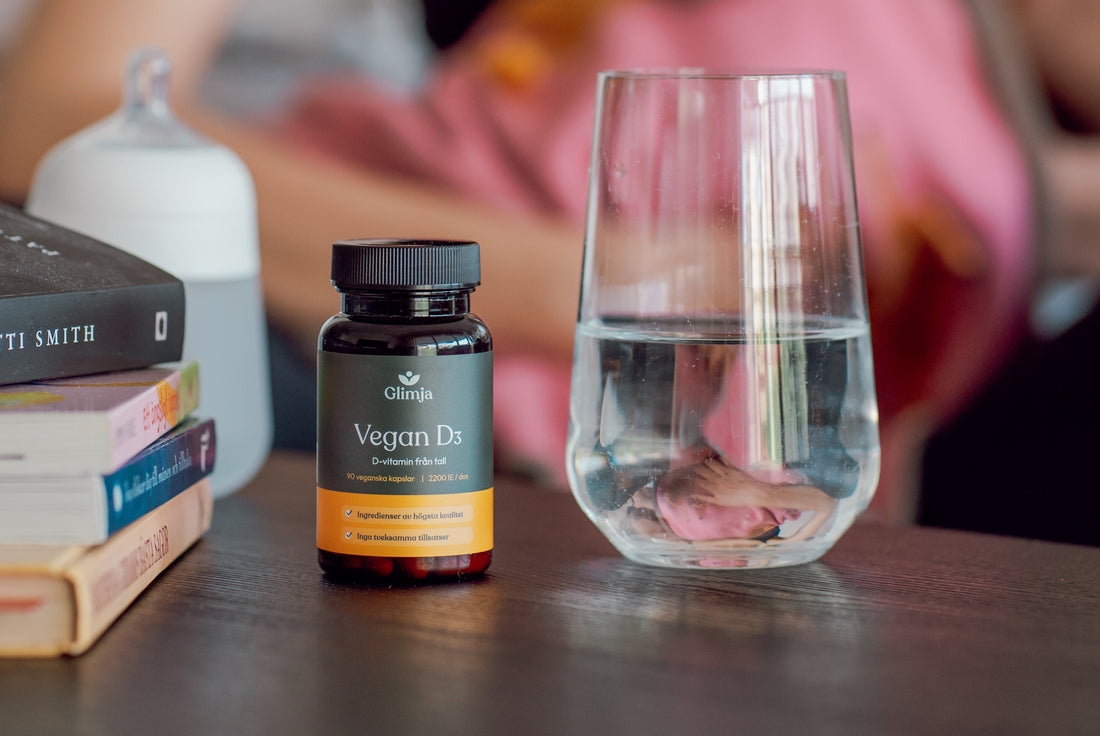
Vitamin D is a fat-soluble vitamin found only in small amounts in certain foods. Vitamin D is essential not only for healthy bones and teeth but also for muscle growth and strength, a healthy heart, lungs and brain functions, healthy skin, and a healthy immune system. Did you know that vitamin D also remarkably affects our mood and skin? A deficiency in vitamin D can cause fatigue, low mood, aches, pain, immune system problems, and skin issues. What vitamin D contributes for the normal function of the immune system. to maintain normal bone structure. to maintain normal muscle function. to maintain normal teeth. for normal absorption/utilization of calcium and phosphorus. Two main types of vitamin D Vitamin D3 Vitamin D3, cholecalciferol, is what is produced when our bare skin is exposed to direct sunlight. Cholecalciferol is ready for our body to absorb, metabolize, and use. So it is immediate goodness. Vitamin D2 Vitamin D2, ergocalciferol, is like the analog version of vitamin D. So there is a complex process that must take place in the body for ergocalciferol to be ready for the body to use. That is why many researchers and medical experts agree that vitamin D2 is actually not very useful for our body. How we get vitamin D There are two main ways to get vitamin D; through supplements and through exposure to direct sunlight. Sunlight Many know that the sun's rays help us feel good in many ways; one reason is that sunlight helps us produce vitamin D. In a clever process that sets it apart from many other vitamins, your body actually produces its own vitamin D. This happens when your bare skin is exposed to the sun's UVB rays. The problem is that in our climate, we do not get enough concentrated UVB rays year-round. A general recommendation is to spend 10-15 minutes daily in direct sunlight, without sunscreen, if you have light to medium skin tone. If you have dark skin, you probably need more time in the sun to produce enough vitamin D, about 40 minutes daily. How vitamin D is made in the body The body converts sunshine into chemicals that are then used by the body. When UVB rays hit the skin, a substance in the skin called 7-dehydrocholesterol literally turns into vitamin D3 (the more active form). 7-dehydrocholesterol or the cholesterol in our skin converts "previtamin D" into usable D3. Previtamin D first passes through the kidneys and liver in the bloodstream and is then converted into calcitriol. Who has more difficulty producing vitamin D from the sun? People who work indoors. People who have covered skin. People who always use sunscreen. People living in areas with less sunlight. People with darker skin tones (it takes longer). Older people. Pregnant women. Dietary supplements Taking a vitamin D supplement can be helpful for many people, especially during the winter months and for those who cannot spend time outdoors most days. Winter and early spring are the times of year when we have the lowest levels of vitamin D in our country, and then a good supplement can be essential. Vitamin D3 for supplements is extracted either from sheep’s wool or from a vegetable lichen. Both are effective and good sources of active vitamin D3. The one from lichen is a plant-based option suitable for both vegetarians and vegans or those who do not want vitamin from sheep’s wool. Always choose supplements with the form D3 / cholecalciferol; we only sell that type. Suggested dosage of D3 Adults: 1000 – 2500 IU daily or 5000 IU every other day during spring, autumn, and winter. Children under 12 years: 500 – 1000 IU daily depending on age. Can you take too much vitamin D? “Vitamin D toxicity” (when you have taken too much vitamin D) is considered very rare, but it can happen when someone takes very high doses, for example more than 10,000 IU of vitamin D per day for several months. When a person's blood level becomes abnormally high, side effects of vitamin D can include symptoms of hypercalcemia, digestive problems, diarrhea, and fatigue. Can you get vitamin D from food?? Vitamin D is found in some fatty fish, wild mushrooms exposed to sunlight, and egg yolk. However, it is difficult to get enough through diet alone, so we need sunlight. Vitamin D with vitamin K2 Vitamin K2 is another fat-soluble vitamin that plays a crucial role in blood clotting, regulation of calcium metabolism, and maintaining bone health. Vitamin D combines well with vitamin K2 because vitamin D helps increase the body's ability to absorb calcium from the diet, while K2 mainly works by using and moving calcium to our bones and teeth, where calcium should be. Vitamin K2 redirects calcium from soft tissue to the skeleton, balancing calcium levels in the blood and helping to significantly reduce the risk of calcium deposits in arteries and other soft tissues. If you take mega doses of vitamin D and at the same time lack vitamin K2 in your body, calcium deposits can form in soft tissues, which is not good. Vitamin D toxicity is rare, but when it occurs, it can be due to a deficiency of vitamin K2. It is therefore beneficial to take a supplement with both D3 & K2. or use a multivitamin-mineral as a base regardless of what other supplements you take. Do you have questions for us? Please feel free to contact us by email.
Read more
Homemade mosquito spray with essential oils - natural protection
Mosquitoes and other small insects, including ticks, dislike essential oils. These two recipes for insect spray and oil contain over 100 drops of 5 different essential oils for maximum effect. If you are missing one or more of these oils, you can still make a potent insect spray – just leave out the essential oils you don’t have and use more of the other oils. The following essential oils are the most effective, and you can combine them as you like: lemongrass, lemon, eucalyptus, rosemary, tea tree, cedar, geranium, lavender, and peppermint. Ticks are said to dislike geranium and cedarwood the most, while mosquitoes really dislike lavender, peppermint, and citrus scents. Insect spray recipe: 30 drops geranium essential oil 30 drops lemongrass essential oil 20 drops eucalyptus essential oil 20 drops lavender essential oil 10 drops rosemary essential oil 1 tbsp vodka 100 ml witch hazel 100 ml water How do I make it? 1. Drop the essential oils into a glass spray bottle. 2. Add vodka and shake well to combine. 3. Pour in the witch hazel and shake. 4. Add water and shake again. Shake before each use as the oils and water will separate over time. Usage: Spray on skin, clothes, tent fabric, and other surfaces you want to keep free from insects. Shake the bottle before each use. Insect oil recipe: A rough measure is: – 5 drops of essential oil per 1 tbsp oil. – So if you make 200 ml oil, you should have about 30 drops of essential oil. Example: 200 ml oil, e.g., jojoba oil, argan oil, coconut oil, camellia oil, or apricot kernel oil. 10 drops lavender 10 drops lemongrass 10 drops rosemary You can also choose, for example, geranium, eucalyptus, or the potent lemon-eucalyptus depending on which scent you prefer. Usage: Make the oil in a small glass bottle and rub it on exposed skin just before going outside. We hope you have a pleasant time without bites! Do not bug me!
Read more
Vegan Omega-3 supplements from algae - Natural alternative
Omega 3 is a polyunsaturated fatty acid primarily known for its anti-inflammatory properties. Recent research on cardiovascular diseases has shown that omega-3 fatty acids protect against heart and vascular diseases, improve hormone and enzyme functions, and play an important role in maintaining healthy brain and nerve function as well as vision. Teeth, skin, reproductive organs, and joints also need omega 3. The balance between omega 3 and omega 6 Omega 3 needs to be balanced with omega 6, which instead increases inflammation as part of our immune system. Unfortunately, omega 3 is often too low compared to omega 6, so we need to ensure we get more omega 3 in our diet. However, both are essential fatty acids, meaning we need both. Omega 3 in the form of DHA and EPA DHA and EPA are two forms of omega-3 that have the health benefits that have made omega 3 so well known. Alpha-linolenic acid, ALA, the omega-3 found for example in flaxseed, does not have the same properties and must be converted in the body to DHA and EPA, which requires a whole range of B vitamins, magnesium, zinc, and so on. And finally, only about 5% is converted to DHA and EPA! ALA is found in flaxseed oil, hemp oil, rapeseed oil, soybean oil, walnuts, and dark green vegetables. EPA and DHA are found in fatty fish such as salmon, trout, mackerel, sardines, krill, and herring, in fish liver oil, and in some algae! Fish do not produce omega 3 fatty acids themselves but obtain them by eating microalgae. EPA’s function EPA has been shown to thin the blood and reduce its tendency to clot. This in turn reduces the risk of buildup of deposits on blood vessel walls and blood clots, which block important blood supply routes to vital organs and body parts. In 90 percent of cases, a heart attack occurs only after a blood clot blocks a major artery. In our refined food, omega 3 fatty acids are usually lacking unless we eat salmon, sardines, mackerel, or herring several times a week, and of course reduce intake of fast food and junk food. The best and most effective way to get these fatty acids is through supplements. The optimal EPA supplement also contains DHA. This fatty acid makes EPA work more effectively. DHA’s function The brain’s gray matter consists of one-third long-chain fatty acids, mainly DHA. DHA reduces blood viscosity. DHA can partly be converted to EPA in humans. DHA lowers elevated triglycerides and contributes to raising HDL cholesterol. It is also important for normal nerve function and plays a key role in the structural development of neural and synaptic membranes. DHA reduces the flow of excess sodium and calcium in nerve cells and protects nerve cells. DHA helps regulate the balance of arachidonic acid in the body as well as the fluid balance in cells. DHA also has a positive effect on eye function, learning, and memory. DHA’s contribution to healthy brain development mainly occurs It is also known as a substance that reduces aggressive behavior, decreases depression, reduces dementia symptoms, and improves vision. DHA lowers noradrenaline. It is a synergistic substance to EPA and usually occurs in a ratio of 2:3 to EPA. DHA appears in various combinations with other fatty acids, e.g., EPA, GLA, and AA for tailored purposes, such as supporting healthy brain development in infants, reducing ADHD symptoms, improving dyslexia, and brain function. Omega 3 deficiency With omega 3 deficiency, one may notice dry and/or rough skin, scalp sores, and brittle nails. Depression and fatigue are also believed to be linked to a lack of the omega 3 fats EPA and DHA. Omega 3 supplements The big problem with eating fish is the presence of heavy metals, mainly mercury, and chemicals, primarily PCBs. Therefore, you should choose high-quality supplements where you know the oil is effective and not contaminated. The Swedish National Food Agency recommends eating fish two to three times a week, including one serving of fatty fish. If you are vegan, allergic to fish, or simply do not like fish or do not eat enough, it becomes difficult to get sufficient amounts of DHA and EPA, so you may need to supplement your diet with omega 3 supplements. A plant-based alternative to fish oil is an oil derived from algae. Opti3 is extracted from the microalga Schizochytrium, which has a high content of the omega-3 fatty acids DHA and EPA. Algal oil is the only plant-based source of these fatty acids. Opti3 Opti3 is cultivated under controlled conditions in stainless steel tanks. When the algal cells mature, they burst through an enzymatic process to release the oil, which is then separated from the water and cell biomass. The manufacturer does not use solvents or chemicals in the process; it is physical separation. They add antioxidants to protect the oil – these are also natural. Opti3 is available as capsules or you can choose Opti3 Liquid if you don’t like capsules. It is liquid algal omega 3 in olive oil with a hint of natural orange flavor. Opti3 is perfect for the whole family, including children, vegetarians, vegans, and pregnant women. 150 ml of liquid lasts for 30 days. Opti3 Complete Omega 3 Opti3 Omega-3 EPA & DHA Liquid Who is it suitable for? An omega-3 supplement based on algae can be taken by everyone, including vegans, fish allergy sufferers, and children. Pregnant women may also need extra omega-3 because it contributes to normal visual development and normal brain development in fetuses and breastfed infants. If you have capsules at home but only want the oil, you can pierce the capsule and squeeze out the oil either onto a spoon or mix it into food. It is also common to give Opti3 to cats and dogs by squeezing the oil into their food. Dosage The Optimal Daily Intake (ODI) for an adult is 250–600 mg EPA. The usual recommended dosage is 600–700 mg EPA and 400–500 mg DHA. Who should not take Omega 3? People with hemophilia or problems with thin blood should be cautious. Blood clotting times are prolonged with high doses of EPA/DHA. Some people who bleed easily, e.g., nosebleeds, may react, and people with severe kidney insufficiency or heart problems should also be cautious and consult their doctor beforehand. Especially if you are taking blood-thinning medications. More safe & vegan Omega 3 supplements are available! Vimergy Vegan Omega 3, 90 capsules Helhetshälsa AlgOmega3 Cold-Pressed MaryRuth's Vegan Liquid Omega-3
Read more
Vegetarian Omega-3: EPA & DHA from algae
Omega 3 is a family of long-chain fatty acids found abundantly in, for example, certain types of algae, chia seeds, flaxseeds, fatty fish & krill. It is important to get enough omega 3 because the body cannot produce it on its own. It is also important to maintain a good balance between omega 3 and omega 6 in the diet. Unlike saturated fat, omega fatty acids are liquid and can easily become rancid if not protected from too much air, light, and temperature changes. What are EPA & DHA? EPA and DHA are two long-chain fatty acids that belong to the omega-3 family. They are considered essential for good health and are usually the ones referred to when talking about the benefits of omega-3 fatty acids. In nature, there are mainly three different forms of omega 3 fatty acids EPA (Eicosapentaenoic acid): Long-chain omega-3 primarily associated with heart and vascular health. Found abundantly in fatty fish, krill, and certain algae. DHA (Docosahexaenoic acid): Long-chain omega-3 associated with the health of the brain, eyes, and nervous system, as well as heart and vascular health. Found abundantly in wild-caught fatty fish, krill, and certain algae. ALA (Alpha-linolenic acid): Found in land-based plant sources of omega-3, such as flaxseed, chia seeds, or walnuts. ALA is used as an energy source in the body and can be converted to EPA and/or DHA as needed, but only to a limited extent and depending on several other health factors. Why is EPA & DHA important? When a nutrient is called "essential," it means the body cannot produce it itself and must obtain it through food or supplements. Omega-3 belongs to the group of essential fatty acids. DHA and EPA are the most studied forms of omega-3 and are associated with the most health benefits. A deficiency in omega-3 can lead to problems such as increased inflammation in the body, low mood, high blood pressure, impaired blood flow, and in some cases stiffness and pain in muscles and joints. What do EPA & DHA contribute? A good balance of EPA and DHA supports normal heart function, normal brain function, and normal vision. Therefore, it is important to get enough. A daily intake of 250 mg DHA contributes to maintaining normal brain function and normal vision. A daily intake of 250 mg EPA and DHA contributes to the normal function of the heart. How do you get EPA & DHA? From foods especially rich in EPA and DHA such as: Seaweed and algae. Fatty fish and krill. Or through dietary supplements. Other plant-based sources of omega-3, such as flaxseed oil, chia seeds, or walnuts. These primarily contain ALA, which, as mentioned, is converted in limited amounts to EPA and DHA in the body. This conversion varies greatly from person to person. It depends on several factors, such as the balance between omega-6 and omega-3 in the diet, health status, and physical activity level. For most people, it can therefore be a good idea to consume "ready-made" EPA and DHA fatty acids to ensure good availability in the body. Animal or plant-based omega-3? There is a myth that omega-3 from fish oil is somehow better than other forms. One important fact to know is that fatty fish like salmon or herring do not produce EPA and DHA themselves; they get them from seaweed and algae they eat. Considering the risk of overfishing the oceans, as well as exposure to heavy metals and plastic residues now found in those who eat large amounts of fish, we at Glimja prefer to go directly to the source and consume oil from algae instead of taking the detour via fish. It is kinder and safer for everyone involved. Algal oil is suitable for everyone who does not eat fish or shellfish, is pregnant, vegetarian or vegan, or simply cares about the environment. Algal oil is an excellent alternative to meet the daily need for omega-3. In fact, it stands out as one of the few plant-based sources of omega-3 that contains both EPA and DHA. Buy pure, plant-based, and high-quality EPA & DHA
Read more
5 simple tips to protect your hair in the summer
Sunny days at the beach, refreshing drinks, and plenty of wonderful relaxation – there’s a lot to love about summer, but the effects the heat can have on your hair are not among them. Isn’t it tiring to wonder every year what hair problems summer will bring this time? The good news is that it doesn’t have to be that way. By taking care of your hair properly, you can keep it shiny and full all summer long. Here are our 5 best tips 1. Protect from intense sun It’s not just our skin that is affected by too much sun – hair can also get “burned” and difficult to manage from too much sun exposure. Feel free to wear a sun hat or some kind of scarf if you’re outside for long periods in direct sunlight. You can also protect your hair a little extra by massaging in a protective oil such as raspberry seed oil or jojoba oil before going out in the sun. 2. Let your hair breathe Let your hair breathe and live a little extra during the summer. Wear it loose or, if you have longer hair, make a loose bun or braid. Tighter hairstyles can cause itching and scalp problems because they tend to pull and tighten the hair, especially when your hair is warm and dry from the summer heat. 3. Conditioner Use a moisturizing conditioner and try washing your hair less often in the summer. If you have dry hair, you can try avoiding shampoo altogether for a while and just use conditioner. If you have oily hair, you may need a mild shampoo 1-2 times a week. The conditioner method is an effective way to combat dry and damaged hair. Try not rinsing out the conditioner completely when you wash your hair. Leave the very last bit in your hair. You’ll be surprised at how healthy and hydrated your hair feels when it’s dry. 4. Avoid hair dryers & rough towels If you have problems with dry hair in the summer, a hair dryer will make it worse. Let your hair dry outside instead. Conventional bath towels can make hair too dry in the summer. Instead, try drying it with a microfiber towel, a cotton T-shirt, or a kitchen towel woven from pure cotton or linen. All of these are gentler and don’t dry as harshly as traditional bath towels. 5. Hair mask One of the very best ways to restore your hair’s shine and fullness is with a nourishing hair mask. Here is a favorite recipe for summer hair: Deep conditioning mask 2 tbsp coconut oil 1 tbsp shea butter 1 tsp argan oil A few drops of essential oil Coconut oil deeply hydrates the hair. Argan oil is excellent for controlling frizz and adding shine. Shea butter not only provides moisture and shine but can also help address dandruff and dry scalp. Essential oils like rosemary, lavender, and peppermint strengthen the hair and provide a wonderful scent. Instructions Melt the coconut oil and shea butter together in a saucepan over low heat. Let the mixture cool until it almost solidifies, then add the argan oil. Whisk everything together with an electric mixer for 3-5 minutes. You’ll get a creamy consistency that is much easier to apply to your hair. Comb through clean, dry hair and leave on for 30 minutes. Rinse hair and then wash as usual. If you don’t have time to make your own mask, you can try the nourishing hair mask from Bruns, which is a real favorite among our customers. Good luck and have a wonderful summer!
Read more
Practical advice for families with children with ADHD
We have received several questions from parents of children with ADHD asking how they can make daily life easier for their children and themselves. In this article, we list things that can make a difference for the whole family. ADHD involves genetics, environment, and biology (body chemistry). It’s not fully understood how it arises, but ADHD has a genetic link in some individuals. If parents or grandparents have ADHD, it’s more likely that children will develop symptoms. However, research is not clear on whether it is actually a genetic predisposition or similarities in lifestyle and diet that cause ADHD to develop. There are also those who believe it is linked to or triggered by trauma. Gabor Maté explores this topic in depth in the book Scattered Minds. People with ADHD have difficulty filtering impressions and processing information. Children with ADHD are often very sensitive; their emotions can be very visible, they get bored easily, forget things, lose things, and have difficulty listening, which can be a lot for parents to handle. So how can we support these children? 1. Diet The first thing to review is the diet. Diet continues to show links with ADHD; it is affected by chemical food additives, wheat, refined sugar, artificial sweeteners, and there is a connection to food allergies. Most parents notice a difference if their child does not eat gluten (especially wheat), white sugar, conventional dairy products, canned food, processed meats, artificial sweeteners, and unnatural colorings. For many, it’s a big help to remove these “triggering” foods and replace them with healthier options like pure, nutrient-rich foods with good fatty acids. We understand that it can feel challenging at school. If changes aren’t possible at school, it becomes even more important at home. Children with ADHD may have difficulty with certain textures and tastes of food; eating disorders are therefore more common. This relates to sensory sensitivity to smell and taste as well as all the sensory input happening constantly. It can be important to experiment with different types of food and not insist that the child must finish a certain kind of food you serve. You can try things out together. 2. Routines & tools Just as important as dietary choices is having routines. Making sure the child eats and drinks at set times. Children (and adults) with ADHD can easily forget or neglect basic needs such as sleep, food, drinking, rest, and physical closeness. ADHD medication can also suppress hunger. Hyperfocus Children with ADHD have an even greater tendency to completely forget basic needs when they are in hyperfocus. At the same time, it can be a source of conflict when they are disturbed during their hyperfocus. Hyperfocus occurs when they find something really interesting and fun that they want to do; it triggers a dopamine release, which leads to more focus and feels good on every level. Then it is very helpful to have: Time aids (timer or egg timer) that make time visual for the child so they can see how much time they have left for what they are doing. A weekly schedule for the whole family that makes everyday life predictable. "Now I do this, then I do that, and I can spend this much time on it." Dopamine There is often difficulty regulating neurotransmitters like dopamine, noradrenaline, cortisol, and/or adrenaline, which play a big role in the body’s hormones. People with ADHD wake up in the morning with an empty "dopamine tank" that may need to be refilled to manage tasks that are harder to motivate themselves to do. It can help to focus on things that release dopamine, especially at the start of the day. This might mean playing a little game at breakfast, doing a craft, or jumping on a trampoline to have the energy to go to school. Motivation system Motivation systems can be a big help for things that are "boring"; cleaning the room, doing homework, etc. You can collect points that lead to a goal of doing something fun. Example: Emptying the dishwasher earns 10 points. Doing homework earns 30 points. "When you’ve collected 50 points..." we go to the park, play soccer, play board games, or do something else the child really enjoys. 3. Movement & exercise It’s important for children to move, especially for children with ADHD. They should be able to practice a sport they enjoy or just bike, run in the forest, play, swim, kick a ball, or jump on a trampoline. They need to let their body express itself. Exercise releases good hormones, including endorphins, the "feel-good hormone," which reduces conflicts over time. It also releases dopamine, which gives a sense of reward, and serotonin, which provides a feeling of satisfaction and calm. The interaction between the right and left brain hemispheres doesn’t always work 100%, which is why children with ADHD may have coordination problems, another reason to exercise. Improved communication between the hemispheres increases concentration. Children (and adults) generally need to spend time outdoors around midday to get light into their system, which improves relaxation and sleep in the evening. Everything is connected. 4. Love-bomb & relaxation tools The child needs to "be" in their body and relax. This is especially important when there might be 10,000 thoughts racing through their head. Some describe it as a tombola wheel spinning in their mind. It has also been described as a "Ferrari brain" with bicycle brakes, meaning thoughts and actions can happen very quickly. Children with ADHD often hear that they are difficult, disruptive, talk too much, and act too fast. Constant criticism leads to low self-confidence and distrust in oneself; "there is something wrong with me," which leads to more stress, restlessness, and poorer concentration. Nagged children with ADHD can grow up with low self-love. As parents, you can support your children by telling them they are okay just as they are, that they are always welcome, and "love-bomb" them. At the same time, give them tools to relax within themselves. Tools for calm and peace can include, for example: Relaxation exercises Mindfulness for children Massage and hugs Tapping (also known as EFT – Emotional Freedom Technique) Various stress-reducing aids like a stress ball Calm music Yoga Walks in nature Time with a pet 5. Sleep Sleep, or what we can call recovery, is very important. As a parent, you can help by ensuring that: The bedroom is quiet, dark, and comfortably cool at night. Make sure the child has plenty of time before bedtime to wind down. Turn off all screens (phone, computer, tablet) at least 1-2 hours before sleep. Play calming music. Give the child a gentle massage or touch when they have laid down. Use calming essential oils (scent) like lavender in the bedroom. 6. Supplements Certain supplements have been shown to make a difference for people with ADHD since possible nutrient deficiencies can cause issues in the body, and supplements also support hormones and neurotransmitters. The supplements most commonly mentioned are: Omega 3 (fish or algae oil) – Omega 3 supplements seem to reduce ADHD symptoms, improve learning, and decrease anxiety. Zinc & Magnesium – Low zinc levels are associated with, among other things, poor neurological function and lack of attention. B-complex – Children with ADHD usually need more B vitamins to maintain focus, counteract stress, and balance energy and hormone levels. A natural multivitamin containing all the B vitamins and zinc also works well. Good gut bacteria (lactic acid bacteria) In English: Probiotics – Some studies suggest that ADHD may be linked to digestive tract issues. Sugar, certain medications, and chemicals kill the good bacteria in the gut, which then may need to be replenished. If you want to read more about children and supplements, you can do so here. Please feel free to share your thoughts on this, what has helped your child?
Read more
Natural support during menopause with herbs & dietary supplements
In this article, we focus on the menopause phase leading into postmenopause. We write about what we women can prepare for, consider, and how we can support ourselves. Menopause can last over a period of 5-10 years. The period can be divided into three phases: perimenopause, menopause, and postmenopause, which is one year after the last period. Typically, menopause begins between 50-52 years. You can take blood tests (Estradiol and FSH) in consultation with a (private) gynecologist who also examines the ovaries and uterus if you want to be sure you are in menopause. In any case, it is good to see a gynecologist you trust when menopause is approaching. Usually, you know without tests because your period has changed so markedly, often becoming irregular in both flow and timing. During menopause, estrogen levels drop. About five years after the last period, the body's estrogen production has decreased to a steady and very low level. Neurotransmitters serotonin, noradrenaline, dopamine, and GABA are also affected. Some women experience few symptoms, some many, some none, and not everyone has the same symptoms. Common symptoms: Hot flashes – the body's own thermostat, the hypothalamus, becomes unstable when estrogen levels decrease. Sudden sweating Weight changes Low mood Sleep disturbances Dry mucous membranes Urinary tract problems Dry skin and dry hair Decreased sex drive Joint pain Constipation Palpitations Fatigue This is affected by how you have lived before menopause begins. If you have not had optimal conditions before to take care of yourself, it is always possible to start now! The body is amazing and can recover with the right help. Is menopause just difficult? No, absolutely not. It sounds less pleasant when reading all these symptoms, but menopause can be a joyful and insightful period in life if you get support and take care of yourself. We are now older and the body changes. This can be difficult for many as society places great emphasis on age and appearance. If we are also going through a divorce or another grief, we may question a lot. We see that our possible children have grown up and live their own lives, and our parents are getting older. It is a period that shows the transience of life which needs to be embraced and accepted. We often get more time for introspection and reflection. Who am I and what do I want in this "new" part of my life? How can we support ourselves during this transition phase? First, we should remind ourselves that this is not a static period, and we can influence it through good choices and by taking care of ourselves on all levels. There is much we can do! 1. Social support We may need to talk to a therapist or similar to understand our feelings. Healthy relationships and social support are essential. It is a key to feeling well. Being close to a partner, friends, and family for warmth and connection makes life easier. We women also need each other to understand ourselves and reflect on our inner lives. We cannot share everything with a male partner; we can share a lot, but not everything, so sisterhood is especially important during this period. "The wise woman" Now is our chance to claim "the wise woman"* within us. She who is mature, emotionally balanced, and can stand in female leadership. She who can distinguish "bullshit" from truth. *The archetype of the wise woman exists in many cultures and religions. She is often seen as a powerful and wise figure who can help and guide others. If we look up the word wisdom, it means "someone who has experience, knowledge, and good judgment." 2. Reduce & manage stress Stress increases and worsens any symptoms. If you have had chronic stress before entering menopause, the symptoms can worsen because hormone production is affected by stress. Many women in menopause feel they can no longer handle stress at all. Instead of seeing this as something negative – "that you should be stress-resistant" – we should see it as something positive, that we start standing up for ourselves, saying no, taking it easier, making good choices. Things that help counteract stress include walks in nature, sunshine, yoga, dancing, relaxation exercises, massage, meditation, listening to audiobooks, rest, calm music, closeness, bathing, and so on. Remember that good sleep is also very important. 3. Healthy diet Diet is always important but perhaps even more so as we get older. You can choose anti-inflammatory food or a Mediterranean diet as a base; the main thing is to focus on pure, genuine ingredients. Eat vegetables in all colors, fruit, berries, sprouts, good fiber, good protein like fatty fish, shrimp, sardines, beans, lentils, quinoa, etc. Eat like a rainbow on your plate. Consume good fats such as avocado, cold-pressed olive oil, and Omega 3. Remember that fat and protein are especially important for women to support their hormones. Reduce or eliminate red meat, processed foods, white sugar, fried foods, soda, all light products, bad fats like sunflower oil, and gluten. Be careful with coffee and alcohol; consume in moderation. Choose organic whenever possible. 4. Physical activity Exercise something you really enjoy. It supports not only physical health but also mental health, as dopamine and serotonin are released during exercise. After a workout, you feel uplifted and happy. Many women with hot flashes, which is the most common menopausal symptom, find that exercise significantly relieves the symptoms. Even intense cardio training has a good effect on sweating. Exercise is also very important to prevent future osteoporosis. 5. Meditation / Mindfulness We highlight this as a separate point because we think it is essential. To look inward, manage emotions, and learn to sort experiences and impressions. Meditation doesn't have to be a complicated technique that takes ages to master; it can be as simple as sitting on a rock outside and looking at a tree. Meditation is not about "doing something" but about allowing. It's about giving yourself time to understand yourself deeply, to relax, and how to be present with that. In this way, we can gain understanding of human true nature and become better at communicating with others. 6. Supplements & herbs Supplements to consider that help Probiotics. To support the body's microbiome, gut health, and digestion. Gut health is the foundation of all health. Omega 3 is important for healthy hormone function and to counteract inflammation in the body. Magnesium helps us relax. Best taken in the evening. Vitamin E is an antioxidant that counteracts inflammation. Vitamin D for the immune system. B vitamins are very important for many different functions in the body, including effective estrogen metabolism in the liver. Vitamin C supports the immune system and collagen formation. Selenium – a potent antioxidant that contributes to both normal thyroid function and immune system support. Q10 plays an important role in producing energy in the cells' power plants, the mitochondria, and supports the heart. Q10 decreases as we age. Extra supplements during certain periods Holistic has a great product called FemmePaus. Calcium-D-Glucarate* 1-2 herbs or medicinal mushrooms proteolytic enzymes What does Calcium-D-glucarate* do? Calcium-D-glucarate supports liver function and detoxification processes, helping to eliminate excess estrogen and toxins from the body. They help regulate estrogen metabolism by inhibiting the enzyme beta-glucuronidase, which potentially reduces the risk of hormone-related conditions. Proteolytic Enzymes If you have body pain, proteolytic enzymes (such as protease, bromelain, papain, nattokinase) are well worth trying. The enzymes bromelain and papain have been shown to have anti-inflammatory properties. They can help reduce swelling and pain in conditions such as joint inflammation and arthritis. Tips: Get blood tests through, for example, Blodkollen or Werlabs to check your status on folic acid, B-12, vitamin D, zinc, magnesium, heart health, liver health, kidney health, etc. It is well worth getting a blood test every year to keep track of yourself. You can read more about supplements for women. Herbs Red clover is an herb that has helped many, even with hot flashes, so it is worth trying. Other popular herbs are ashwagandha, lemon balm, and chaste tree berry. Maca can also give good results, as well as reishi or tulsi. This mushroom provides an enormous amount of antioxidants. When it comes to herbs, you need to experiment and see which supports you best; it is quite individual. You can explore information about herbs to learn more. 7. Hormone Therapy Do I need hormone therapy? Maybe, it is a choice every woman should consider; if you have troublesome menopausal symptoms, it can provide support. It may be the only way to manage certain symptoms for a period if you have already changed your diet and lifestyle and that is not enough. Many may feel down, think they are depressed, and seek care for it, but remember that it could be hormone imbalances, and as a woman in menopause, you should try hormone therapy before agreeing to possible psychotropic medication. For hormone therapy, we recommend choosing bioidentical hormones once menstruation has ended. Then you receive transdermal treatment via estrogen patches or estrogen spray, as well as oral progesterone. Typically, hormone therapy is taken for 5 years. This should be done in consultation with a gynecologist/doctor you visit for check-ups to refill prescriptions and for regular endometrial monitoring. There are now excellent private clinics that work in a Holistic way. If you have any questions, don't hesitate to get in touch or share what has worked best for you.
Read more