Strengthening ourselves from within is important for protecting the body from infections. Despite the complexity of the human body, what it needs to function optimally is quite basic.
We need to eat nutritious food, avoid certain foods, get enough sleep, drink water, and manage stress. We can also turn to supplements when needed.
Here are 8 that we've selected for you.
Psst! Want to get over your cold quickly? Then read this guide.
Two immune-boosting vitamins
1. Vitamin C
Vitamin C is one of our most important vitamins and antioxidants.
Vitamin C contributes to the normal function of the immune system, helps maintain its normal function during and after intense physical exercise, helps protect cells from oxidative stress, and helps reduce tiredness and fatigue.
Vitamin C in the diet can help reduce symptoms and shorten the duration of respiratory infections.
Adult dose: 500-1,000 mg x 2 per day.
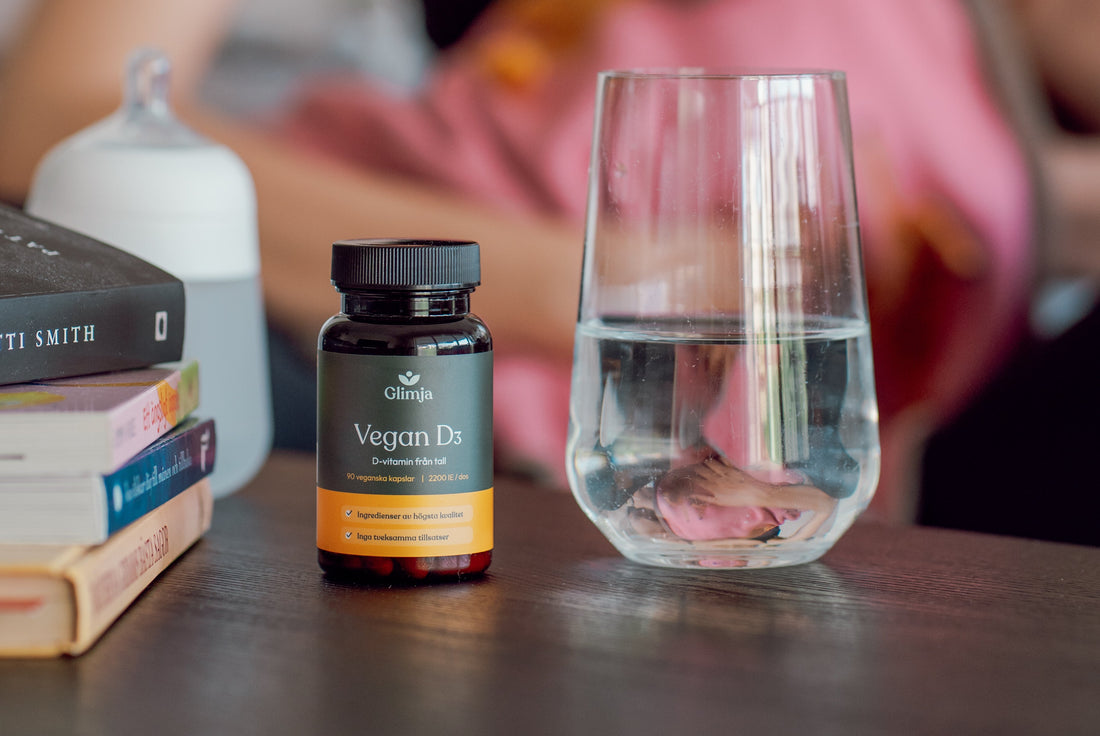
2. Vitamin D
Vitamin D is involved in many aspects of health and is also one of the best vitamins for the normal and optimal function of the immune system.
Getting enough vitamin D can help regulate the immune system to produce a more favorable immune response to infections.
Adult dose: 2,000 IU or more per day.
Two immune-boosting minerals
1. Selenium
Selenium is a powerful micronutrient that acts as an antioxidant to neutralize harmful free radicals and reduce cell damage.
Selenium contributes to the normal function of the immune system and thyroid, and to the protection of cells from oxidative stress.
Adult dose: 200 mcg per day.
2. Zinc
Zinc is often considered one of the most effective immune-boosting supplements. It contributes to the normal function of the immune system, helps protect cells from oxidative stress, and supports normal DNA synthesis, among many other benefits.
Adult dose: 25 mg per day.
Two real treats
1. NAC
N-Acetyl Cysteine (NAC) comes from the amino acid cysteine and plays an important role in respiratory and immune function.
One of the most popular benefits of NAC is that it helps the body produce glutathione, the body's most important antioxidant.
Adult dose: 500 mg per day.
2. Quercetin
Quercetin is a type of flavonoid antioxidant found in plant foods. It is a phytonutrient found in colorful, nutrient-rich fruits and vegetables such as dark berries, peppers, apples, capers, kale, leafy greens, broccoli, and more.
Foods containing quercetin may help reduce inflammation, fight allergies, and support heart and liver health.
Adult dose: Up to 250 mg per day.
Two amazing herbs
1. Elderberries
Elderberries contain powerful bioflavonoids, naturally occurring compounds known for their antioxidant properties.
According to a study from Israel, the duration of the flu was shortened by 4 days in those who received elderberry syrup compared with those who received a placebo.
2. Turmeric
Most people are familiar with the benefits of turmeric today. In particular, curcumin, the active compound in turmeric, has been shown to reduce inflammation and support immune function.
Remember:
Combine all supplements with a nutritious diet and a healthy lifestyle, and be consistent with your choices!
Do you have any tips for favorite supplements or foods you use to support your immune system?
Please share in a comment so the rest of us can get inspired.