What if a substance already found in your cells and in everyday foods could influence how you age—and even slow the process? That is what spermidine is believed to do. The substance has recently become popular both in research and in the longevity world—and here’s why.
Search for spermidine and you’ll quickly find results describing one health benefit after another. And there are certainly many positive effects associated with the substance, although more studies are still needed in some of these areas.
But one of the main reasons spermidine has attracted so much attention is above all autophagy and how the substance may affect important processes—which in turn may contribute to slower and healthier aging.
How spermidine affects autophagy
The older we get, the longer our cells have been exposed to wear and tear. Damaged proteins, defective parts of cells, and mitochondria that no longer function optimally need to be dealt with.
That is the role of autophagy, the cells’ own recycling system. During this process, the body identifies what is damaged or no longer needed, breaks it down, and reuses parts of the material.
In experimental research, spermidine has been shown to activate autophagy, which is considered one of the most important links to aging. In studies of yeast, worms, and flies, spermidine has both increased autophagy and extended lifespan. In mice, researchers have also observed longer lifespans and positive effects on, among other things, heart health.
And in 2024, another discovery was made. Researchers found that spermidine levels increased during fasting and calorie restriction—two methods that have long been popular in the longevity field and that can activate autophagy. When the researchers then blocked the body’s own production of spermidine, the autophagy normally triggered by fasting also decreased.
Spermidine may affect more processes involved in aging
As we get older, the immune system also changes, and it becomes more common for our bodies to experience low-grade, long-term inflammation. This phenomenon has been named inflammaging, a combination of inflammation and aging.
But spermidine may have a positive effect here as well. In experimental research, the substance has been shown to influence inflammatory processes. At the same time, as mentioned, spermidine also stimulates autophagy, which helps cells get rid of damaged parts that could otherwise contribute to ongoing stress and inflammation.
The heart and brain are two other organs where the same processes involved in cellular maintenance become increasingly important over the years. In older mice, spermidine supplementation has, among other things, preserved heart function and improved mitochondrial function. Animal studies have also linked spermidine to better memory and mitochondrial function in the brain.
Do people with a high spermidine intake live longer?
It would certainly be fantastic if the simple answer were “yes,” but researchers are not entirely sure.
In one study, 829 people were followed for 20 years. Those who consumed the most spermidine through their diet had lower mortality than those who consumed the least. The association also remained when the researchers took several other factors into account.
But so far, no study has been able to conclusively show that a higher intake of spermidine extends human lifespan.
What makes spermidine so noteworthy is rather the number of fundamental processes it affects in relation to the body’s aging. And the fact that spermidine has extended lifespan in yeast, worms, flies, and mice, among others, while several human studies have linked a higher intake to better health and lower mortality, provides a legitimate reason to continue investigating the substance.
How can you get more spermidine?
Spermidine is a so-called polyamine, a natural substance already found in the body’s cells. But it is also found in foods such as:
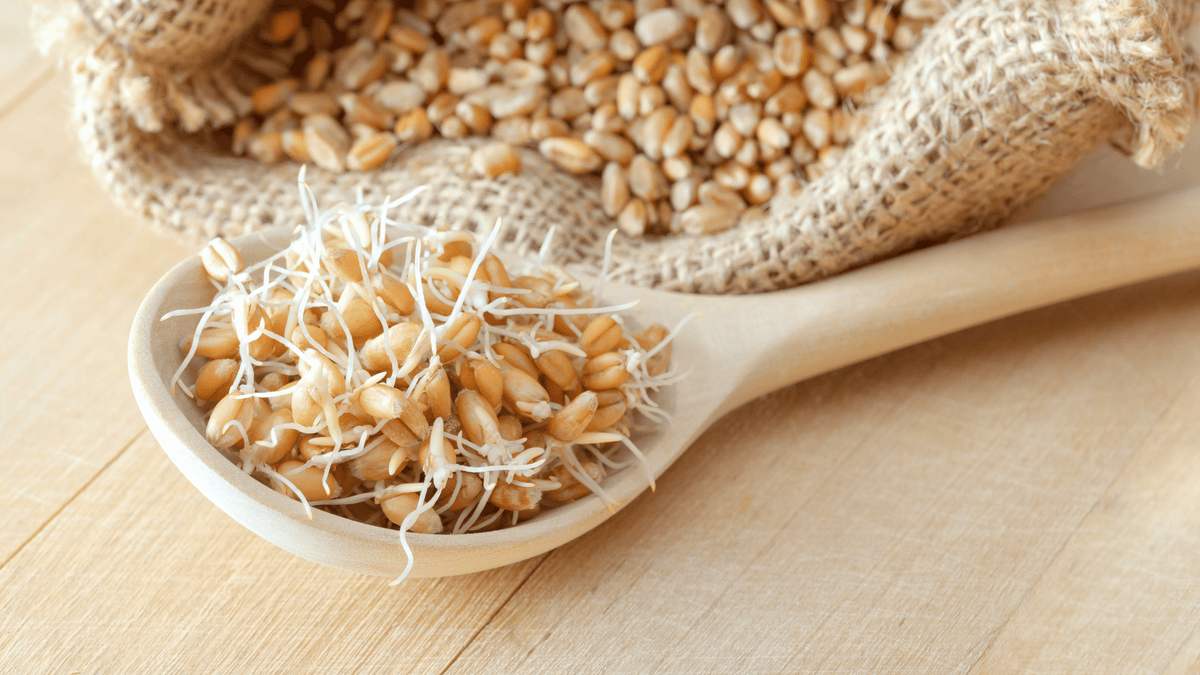
- wheat germ
- soybeans, tofu, and tempeh
- certain aged cheeses, e.g. cheddar, Gouda, Brie, and Parmesan
- mushrooms
-
peas, chickpeas, and lentils
If you would like to supplement your diet, this product from Närokällan is one option
Sources:
-
Eisenberg T, et al. (2009). Induction of autophagy by spermidine promotes longevity. Nature Cell Biology.
-
Eisenberg T, et al. (2016). Cardioprotection and lifespan extension by the natural polyamine spermidine. Nature Medicine.
-
Kiechl S, et al. (2018). Higher spermidine intake is linked to lower mortality: a prospective population-based study. The American Journal of Clinical Nutrition.
-
Schroeder S, et al. (2021). Dietary spermidine improves cognitive function. Cell Reports.
-
Hofer SJ, et al. (2024). Spermidine is essential for fasting-mediated autophagy and longevity. Nature Cell Biology.