IBS stands for “Irritable bowel syndrome,” a term used to describe a type of digestive disorder characterized by a group of common symptoms.
The most common IBS symptoms are:
- Changes in bowel movements, such as constipation and diarrhea.
- Changes in the appearance of stools, including consistency and color; mucus may also be present.
- Bloating.
- Gas and belching.
- Abdominal pain, aches, and cramps.
- Nausea, heartburn, or acid reflux.
- Feeling full quickly or loss of appetite.
- Most people are symptom-free after using the bathroom.
What's the difference between IBS and IBD (inflammatory bowel disease)?
IBS and IBD share some symptoms, but IBD, such as Crohn's disease and ulcerative colitis, is usually much more serious and evident. It's caused by inflammation in the intestines and autoimmune reactions that affect the intestines and stomach.
Why do people get IBS?
There isn't one specific cause of IBS that applies to everyone, but common factors that contribute to IBS include:
- Food sensitivities and allergies (especially to dairy and gluten).
- Chronic stress or temporarily high levels of emotional or physical stress.
- A lot of travel.
- Changes to sleep routines and circadian rhythms.
- Hormonal imbalances or changes (menstruation, menopause, or pregnancy can cause symptoms).
What can I do about my IBS?
First, you need to get rid of any excess bacteria, yeast, or other organisms that shouldn't be in the body - candida, for example, is a type of yeast.
You can then add supportive herbs, beneficial gut bacteria, hydrochloric acid, enzymes, and more. You may need to repair the intestinal lining with, for example, aloe vera, B vitamins, glutamine, or a nutritional powder specifically for the intestinal lining.
If there's a bacterial imbalance, for example too much bacteria (SIBO) in the wrong place, the intolerance often goes away or improves when balance is restored.
Studies have shown that 80-85% of people with IBS have bacterial overgrowth (SIBO) in the small intestine.
SIBO can cause symptoms such as heartburn, nausea, bloating, diarrhea, or frequent belching. If you don't experience these symptoms and only have IBS symptoms such as constipation/diarrhea and abdominal pain, it's better to focus on more fiber, probiotics, and prebiotics.
However, it's always a good idea to get tested for SIBO.
Diet is the most important thing!
- It's important to reduce your protein and fat intake and increase your fiber intake.
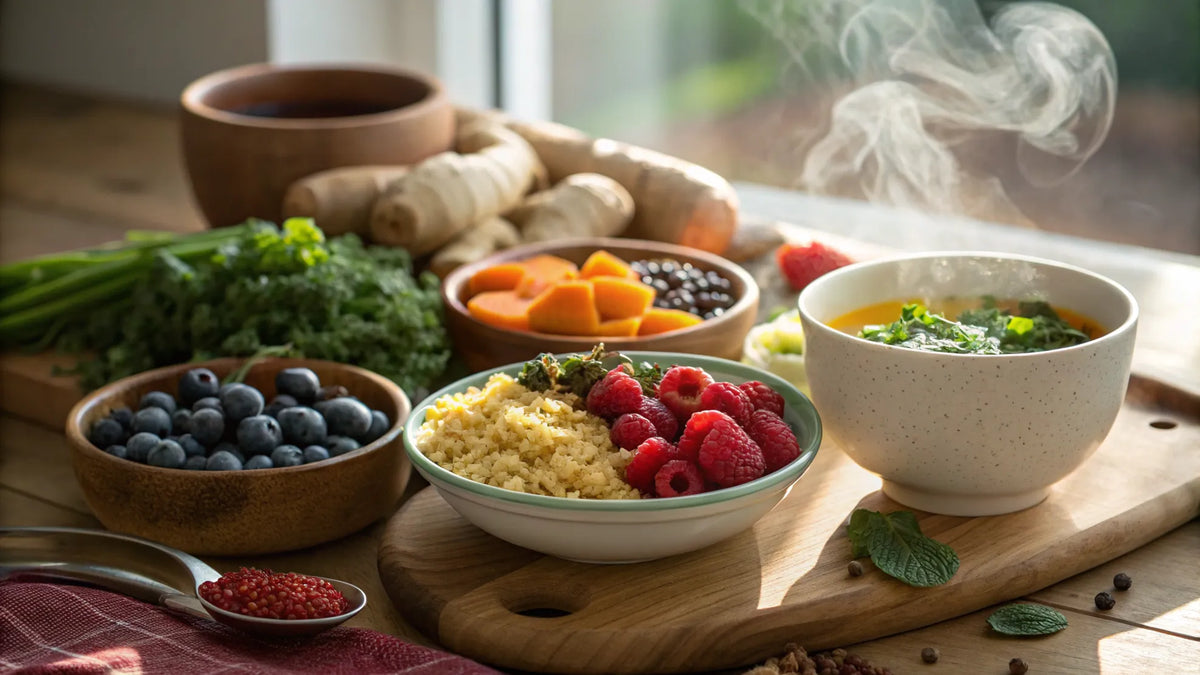
- People with IBS need more healthy fiber. It's good to eat starchy vegetables in all colors - preferably steamed. Also include some fruit, plenty of berries, sprouts, vegetable juice, broth, miso soup, lean white protein, quinoa, chia seeds, and healthy fats such as olive oil and avocado.
- Don't eat too many dairy products. Avoid yellow cheese, red meat, white sugar, nuts, spicy food, eggs, and gluten completely if possible.
- Other triggers include too much coffee, black tea, alcohol, carbonated drinks, refined carbohydrates, laxatives, and certain medications.
Food allergy
Food allergies are common in people with IBS and may go unnoticed. That's why it's a very good idea to take a food intolerance test.
Stress
Remember that stress can also be a contributing factor. If you experience stress, it's important to address it with relaxing exercises, preferably gentle yoga, walks, relaxing music and meditation, as well as calming herbs such as lemon balm or supplements specifically chosen for this purpose, such as L-theanine.
In this article, we write more about exhaustion caused by prolonged stress.
Exercise
Exercise is also very important. Studies have shown that regular exercise helps manage stress and can improve digestive health.
Exercise has many positive effects on health.
Herbs
- Herbs such as dandelion and artichoke stimulate digestion.
- Other good herbs include oregano oil, olive leaf, wormwood, garlic, and turmeric to help fight bacteria, fungi, and viruses.
- For bacterial overgrowth or candida, you can also drink Pau D´arco tea.
Supplements
- If symptoms are caused by an enzyme deficiency, this can often be addressed by helping the body restore its own enzyme production through a good diet and taking enzymes.
- For constipation, or Oxy-Powder is ideal.
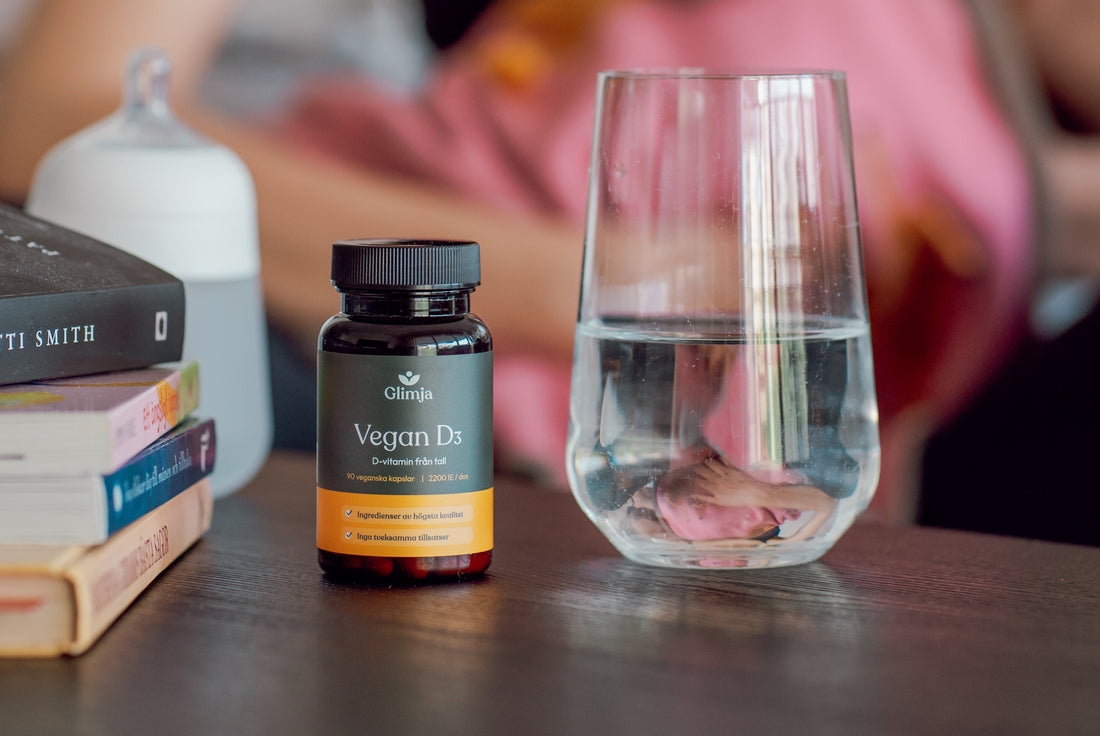
- Other good supplements include B vitamins, Magnesium, Vitamin D, and probiotics, i.e. beneficial gut bacteria. Many people wonder which probiotic strains are suitable for IBS. Saccharomyces boulardii and most Bifidobacteria, such as Bifidobacterium lactis and Bifidobacterium infantis, usually work well. But most people also do well with Lactobacillus plantarum and Lactobacillus acidophilus.
- Turmeric is also a good supplement, as the aim is to get curcumin. Turmeric
- Hydrochloric acid can be helpful, as it prevents bacteria from entering the small intestine, where they shouldn't be, which is common in people with IBS.
Get help from a nutritional therapist
It may be a good idea to book an appointment with a nutritional therapist or functional medicine doctor who can investigate your IBS symptoms more closely with the help of testing.
They also guide you through a course of treatment and perform food sensitivity tests to show whether you have any intolerances to foods that irritate the intestinal lining.
Get in touch with us if you have any questions!