Oily skin, greasy skin, or shiny skin all describe the same skin type, namely overproduction of natural sebum.
Contents
- Why do you get oily skin?
- Why these common tips don’t help with oily skin
-
How to fix oily skin
- Oily skin caused by hormones
-
Oilier skin in summer
* Protect the skin from drying sunlight
* Skin's moisture balance during summer
* Wear less makeup when you sweat - High sebum production due to dry skin
- Oily skin due to excessive routine
- Oils suitable for oily skin
-
Acids for oily skin types
* White willow bark extract
* Glycolic acid
* Lactic acid
Why do you get oily skin?
Regardless of skin type, everyone has sebaceous glands in the dermis (under the protective epidermis). Most sebaceous glands are found in the scalp, face, chest, and back. Sebaceous glands produce sebum, which is rich in fat. In skincare, sebum is often called sebum.
Sebum makes the skin soft, supple, prevents dryness, and limits unfavorable bacterial growth. There can be many reasons why the skin overproduces sebum. We go through the most common causes behind oily skin.
Hormones
Androgens are a group of sex hormones where testosterone is the best-known hormone. Since sebaceous glands are stimulated by androgens, oily skin is common during puberty for boys. Even though girls have lower androgen levels, an increase in these hormones can cause oilier skin.
Androgen levels can increase with stress, during puberty, the menstrual cycle, pregnancy, and menopause. Genetics, heredity, and age can play a role here, affecting the activity of the sebaceous glands.
Weather
Most people experience oilier or less dry skin during summer or when staying in a warm climate.
This happens when temperature and humidity increase:
- If you travel on vacation from a cold to a warm climate, the skin does not have time to downregulate sebum production quickly. The skin needs less sebum when the humidity is high. You may feel that your skin is oilier even though sebum production remains unchanged.
- The summer sun dries out the skin. More sebum can be produced to soften and protect the skin from drying out.
- You sweat more because the body is trying to cool down. Sebum is needed for the sweat to stay longer on the skin. Since sebum and sweat do not mix, the skin can have small "sweat droplets" that shine. In this case, many mistake increased sweat for increased sebum production. In reality, it’s only about how much you sweat.
- Sweat mixed with powder makeup settles patchily and sets into fine lines on the skin. This can cause acne and various skin problems.
Dry skin
The skin (and body) does everything to create balance. When the skin is dry, sebum production increases in an attempt to compensate for the lack of moisture. The root cause of oily skin can therefore often be genuinely dry skin.
Wrong products
The cause of oily skin can also be the wrong skincare products. An overly drying cleanser or a cream lacking moisture can definitely cause imbalance in the skin and result in shiny skin.
Excessive skincare routine
You can also get oily skin from an intense or excessive skincare routine such as:
- too frequent washing.
- too much or harsh exfoliation, physical friction, and rubbing.
- too much peeling and/or acids.
- constantly new products introduced to the skin.
With an extreme skincare routine, too much sebum can be washed away, the skin becomes irritated, and the skin barrier weakens. The skin increases sebum production to compensate for the loss and protect itself.
That’s why these common tips for oily skin don’t help
Regardless of the root cause of oily skin, there are certain tips you should watch out for. These tips may feel good at first but worsen the skin’s condition in the long run. Oily and shiny skin is usually the result of an imbalance in the skin.
We go through a few common tips that contribute to more imbalance and even oilier skin.
Dry out the skin
The most common advice for oily skin is to dry out the skin:
"Wash your face often"
The advice to wash your face more often to keep the skin matte and free from shine and oil is a very bad idea. Especially if the advice is to wash with a strong cleansing product (that foams).
Frequent washing removes too much of the sebum that needs to remain on the skin. This stimulates the sebaceous glands to produce more sebum. Even the skin's beneficial bacterial flora can be disturbed by cleansing products and excessive washing.
"Use toners with alcohol"
It is absolutely true that alcohol, among other things, has an antibacterial effect. A certain amount of alcohol combined with moisturizing and pH-balancing ingredients can therefore be beneficial for acne-prone skin.
But an alcohol-based toner or facial water without any moisturizing and pH balancing is not good for any skin type at all. Alcohol is very drying, which only stimulates the skin’s own oil production.
If you don’t know which ingredients provide moisture and pH balance, it’s best to choose an alcohol-free toner. A toner should not be mattifying but primarily moisturizing, astringent, and pH balancing.
"Do not use oils"
There has long been fear of vegetable oils, especially regarding oily and acne-prone skin. The advice to use oil-free products and creams is based on the fear that:
- vegetable oils clog pores.
- vegetable oils are too heavy for oilier skin types.
But there are different kinds of vegetable oils! A heavy oil like coconut oil or avocado oil is usually not ideal for oily skin. However, lighter oils like safflower oil, watermelon seed oil, or the balancing jojoba oil are excellent for oily skin.
Not all vegetable oils are the same. They have unique fatty acid compositions which give them different properties and therefore suit different skin types differently.
Additionally, plant oils are a natural source of vitamins, antioxidants, and enzymes that support the skin's own functions.
Keep in mind that most oil-free (free from vegetable oils) moisturizers and lotions contain various forms of silicones, texture agents, stabilizers, and fragrances.
These neither add moisture, balance, nor strengthen the skin. There are significant differences between conventional and organic skincare, as well as between vegetable oils and petroleum-based oils that are important to know.
Use salicylic acid
Salicylic acid is effective on oily skin. It has good exfoliating properties and can penetrate the skin to dissolve clogged pores.
The downside of salicylic acid is that it is incredibly irritating and drying. The skin can easily become red, burned, and flaky. Salicylic acid is a salicylate and a component of acetylsalicylic acid. The substance:
- harms children's health.
- has a negative impact on women's fertility.
- can pass into breast milk and harm the baby.
Some studies have shown that salicylic acid applied topically to the skin is safe for pregnant women to use. Other studies claim that salicylic acid should absolutely not be used by pregnant women.
Simply put, more studies are needed to determine a safe answer on whether salicylic acid affects us. For this reason, we do not recommend it for:
- children.
- pregnant women.
- women who want to become pregnant.
- nursing women.
Salicylic acid can both reduce skin oil and counteract acne. It should be used with caution:
- use in low concentrations.
- use only one product with salicylic acid in your skincare routine.
- preferably do not use together with other acids and especially not with retinol and vitamin C.
- do not use if you have sensitive or problematic skin.
How to fix oily skin
What helps with oily skin and why? Think long-term when you want to get rid of oily skin.
The skin is our largest organ that adjusts and adapts to imbalances (internal and external). Help the skin come into balance.
For those with oily skin, it’s especially important that the skin has:
- pH balance.
- a microbiome in good balance, i.e., a good balance of beneficial bacteria.
- balanced sebum production.
That’s why you want to use products and have a skincare routine that:
- in the long run balances the skin’s moisture levels and sebum production.
- removes dirt and excess sebum without stripping the skin’s natural sebum.
- makes the skin feel clean, yet smooth and hydrated.
Here we clarify the biggest mistakes you can make and what actually helps with oily skin.
Oily skin caused by hormones
It’s difficult but not impossible when hormones are causing trouble. Whether it’s puberty or menstruation, our hormones are affected by stress, sleep, and diet.
- Biggest mistake: eating unhealthy, stressing as usual, going to bed late.
- What can help: By relaxing, doing breathing exercises, getting good and enough sleep, you can influence hormone levels. A balanced diet can also make a big difference. Cut down on inflammatory foods like red meat, sugar, wheat, and dairy products. Eat more greens, healthy fats, and drink more water. Take extra good care of yourself when your hormone levels fluctuate.
Oilier skin in summer
It’s common for the skin to feel less dry during the summer months. For those with oily skin, summer can be an especially challenging period. That’s why it’s important to adapt your skincare to the weather.
Remember! When moisture is lost, the skin is stimulated to produce more sebum to compensate for the lost moisture. That’s why your skincare routine in summer should be adjusted to restore moisture and oil balance.
Protect the skin from drying sunlight
The sun’s UV rays dry out and burn the skin more than you think. Therefore, use at least SPF30 to prevent moisture loss and sunburn.
- Biggest mistake: skipping SPF on the face.
- Best SPF for oily skin: Odylique Organic Sun Screen SPF30
The skin’s moisture balance during summer
The higher humidity means the skin needs less hydration.
If you also avoid the sun and don’t sweat, the skin doesn’t lose as much moisture. Then you should switch to a lighter, less nourishing face cream or skip creams/oils and only use serum.
- The biggest mistake: using the same skincare products all year round.
- Best summer products for oily skin: Odylique Spot-on Serum True Balance Gel Cream from Evolve
If you are in the sun and/or sweat a lot, you need to compensate for both moisture and oil loss (despite the higher humidity). When you sweat, both moisture and oil are drawn to the skin’s surface and eventually evaporate or are wiped away.
Use moisturizing aloe vera or products with hyaluronic acid under your SPF in the morning and under face cream or face oil in the evening.
- The biggest mistake: stopping moisturizing your face.
- Best products for moisture and oil loss: Odylique Spot-on Serum, Evolve Hyaluronic Serum 200, or i+m Naturkosmetik Fluid Equalize Clay Hyaluron
Wear less makeup when you sweat
When you sweat in summer heat, moisture mixes with your makeup. Therefore, use less makeup in summer.
Choose cream makeup over powder makeup, as water (sweat) causes powder makeup to clump on the skin, which can cause irritation and acne.
Skip thick layers of mattifying makeup. It dries out and acts like a mask on the skin in summer heat.
- The biggest mistake: applying thick layers of makeup or drying mattifying makeup.
- Best summer makeup tip for oily skin: use less makeup and accept that the skin needs to sweat and looks more dewy when it’s warm.
- Use self-tanner instead of foundation: Eco by Sonya Tan Face Water. Try a lighter foundation with SPF in one: Alga Maris Tinted Sunscreen SPF30.
High sebum production due to dry skin
Using a strong cleansing face wash, alcohol-based toner, and various mattifying products only triggers the skin to produce more sebum.
Therefore, choose products that cleanse and balance without disturbing the skin’s natural oils.
- The biggest mistake: using products that create a matte look by drying out the skin.
- Best cleansing and mattifying products for oily skin: Daily face wash – Evolve Daily Detox Facial Wash Alcohol-free toner – Inlight Beauty Floral Tonic Alcohol-free makeup remover – Evolve Deep Clean Micellar Water Face mask – Evolve True Balance SOS Mask Primer – 100% Pure Mattifying Primer
Oily skin due to an excessive routine
It's not just drying skincare products that cause imbalances.
- The biggest mistake: constantly over-treating the skin with various products, washes, masks, and exfoliations weakens the skin barrier, disrupts the pH balance, moisture levels, and the good microflora. The end result can be acne, irritated, red-flushed, oily, and sensitive skin.
-
Best skincare routine for oily, unbalanced skin:
- Wash your face at most twice a day.
- Exfoliate and peel according to the product’s recommendation or a maximum of 2-3 times per week.
- Be patient. Do not constantly introduce new products to the skin. A new product should be used for 4-6 weeks to see its full potential.
Oils that suit oily skin
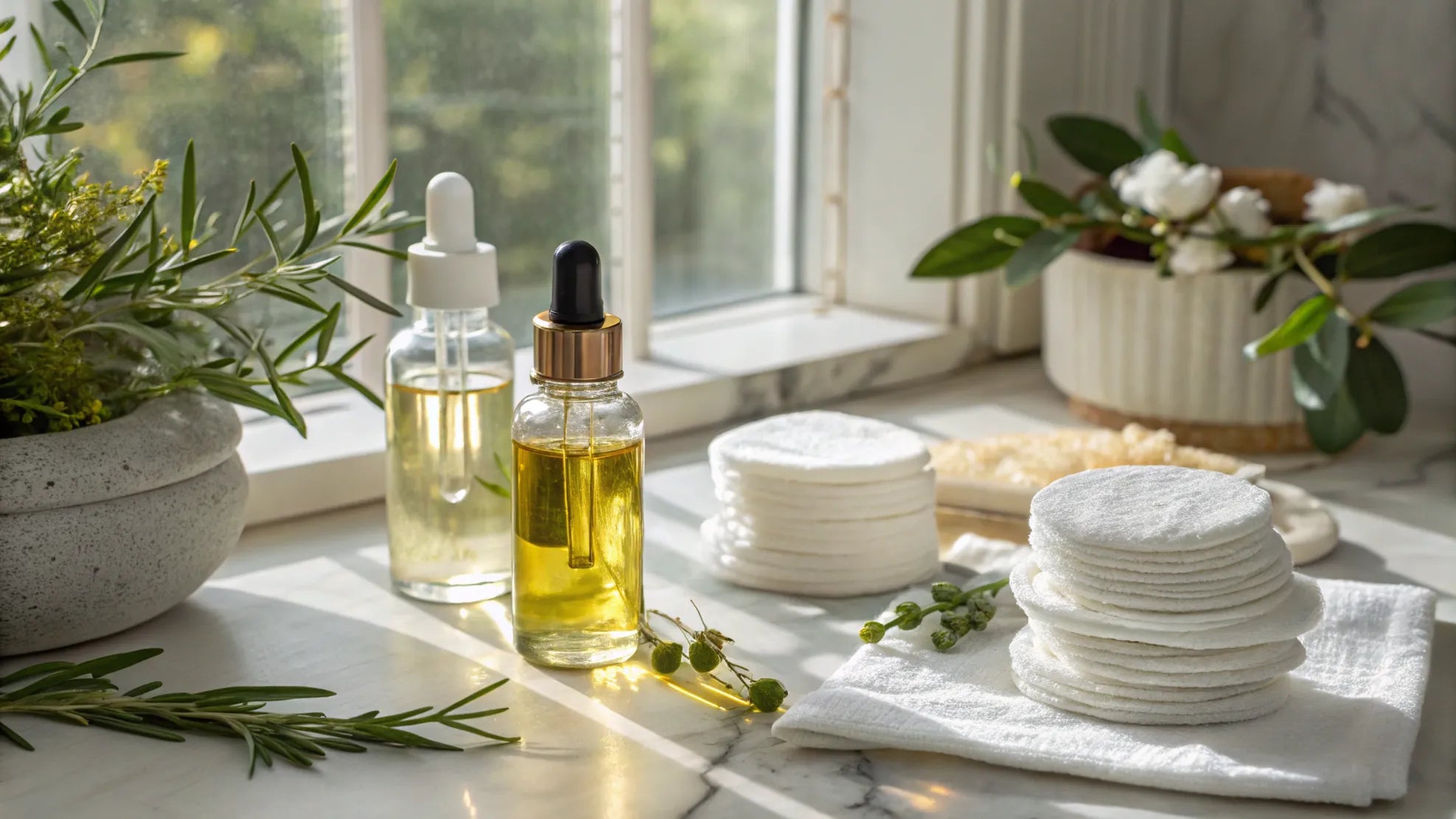
Like dissolves like, meaning – oil dissolves oil. That’s why the very best for oily skin is vegetable oils. Try it and be amazed by the fantastic result.
Try both washing your face with oil and moisturizing your skin with oil.
- Biggest mistake: being afraid to use plant-based oils.
- Best oils for oily skin:
| Cleansing oil | Face oil | | | ----------------------------------------- | ----------- | - | | Pure, cold-pressed oil – Jojoba oil | x | x | | Pure, cold-pressed oil (light) – Watermelon seed oil | x | x | | Pure, cold-pressed oil (light) – Squalane | x | | | Pure, cold-pressed oil (light) – Hemp seed oil | x | | | Oil blend – Inlight Beauty Face Oil | x | | | Oil blend – Inlight Beauty Make Up Remover | x | |
Acids for oily skin types
There are certain acids that are especially suitable for oily skin. Willow bark extract is not a pure acid. However, it has exfoliating properties and is therefore included here among the other acids.
White willow bark extract
White willow bark extract (white willow bark) can dissolve clogged pores, balance and control sebum production. It also has potent antibacterial and anti-inflammatory properties.
White willow bark extract is rich in tannins, flavonoids, phenolic acids, and other minerals that soothe the skin and support cell regeneration. At the same time, it gently exfoliates, has an astringent effect, and counteracts free radicals.
The great advantage is that white willow contains salicin, which is a milder version of salicylic acid. It does not irritate the skin and is gentle enough for sensitive skin.
Glycolic acid
Glycolic acid (glycolic acid) is especially good if you have oily skin with acne. Glycolic acid is the smallest AHA acid (alpha hydroxy acid) and therefore works deeply. It dissolves and reduces excess sebum.
The acid is not recommended for sensitive skin as it can feel too intense.
Lactic acid
Lactic acid (lactic acid) is the mildest AHA acid. It works on the skin's surface and gently dissolves excess sebum. Also suitable for sensitive skin.
- Biggest mistake: using your own acid combinations, too many strong acids, and exfoliating the skin for too long or too often.
- Best exfoliators for oily skin:
| White willow bark extract | Glycolic acid | Lactic acid | | ------------------------------------------------------------------------------------------------------------------------------- | ---------- | --------- | | | | | | Evolve Miracle AHA 3 minute Mask | x | x | | Eco By Sonya Super Acai Exfoliator | x | | | Evolve Liquid Radiance Glycolic Toner (exfoliating toner) | x | x |
Read our Ultimate Guide for acne-prone skin for more information.