Rosacea is a skin condition that is easily recognized by redness, bumps and pimples that appear on the nose, cheeks, forehead and chin. It can spread to the ears, back and chest.
Many people who develop rosacea tend to have family members who have it, which makes sense given recent research into genetic causes.
The specific cause of rosacea is still unknown, but there are many factors that can trigger it, and it is associated with both liver and gut health.
Four types of rosacea
1. Facial redness
This type of rosacea appears as persistent redness and flushing on the cheeks and nose, with blood vessels that are often visible.
Dry, itchy skin and roughness can also occur. It is officially called erythematotelangiectatic rosacea and is the most common subtype.
2. Acne rosacea
Acne-like breakouts with bumps or actual pimples occur with this type of rosacea.
Some people also develop raised patches of skin called plaques. This type is called papulopustular rosacea.
3. Swollen nose
In some cases, the skin on the nose thickens and becomes red, bumpy, uneven and swollen, but this can also occur on the ears, chin and forehead.
This condition is also known as phymatous rosacea. This subtype is more common in men than in women.
4. Ocular rosacea
As the name suggests, this condition affects the eyes.
They may look red and irritated, bloodshot or watery. The eyelids may swell.
What can trigger rosacea symptoms?
Certain foods and alcohol
Common foods that can cause problems include:
- Dairy products such as sour cream and cheese
- Chocolate
- Vinegar
- Certain vegetables, such as eggplant and tomatoes
- Citrus fruits
- Spicy foods
- Alcohol
- Coffee
- Fried foods, trans fats and refined vegetable oils
Pay attention to what tends to trigger flare-ups for you and avoid those triggers.
Stress, anxiety and anger
Stress and anxiety can cause symptoms to appear or make existing symptoms worse. Anger also has a negative effect.
Heat, sun, wind and humidity
Extreme weather conditions and strong sunlight negatively affect most people with rosacea.
What can you do?
You can make changes to your lifestyle if you haven't already. Think of rosacea as a “whole-body problem,” not just a skin problem!
There are many holistic steps you can take to prevent rosacea from causing painful or bothersome redness and irritation.
Ultimately, your skin reflects your overall health: how well you digest nutrients, whether you have any sensitivities or hidden allergies, how balanced your hormone levels are, whether you get enough sleep, and so on.
Remember that rosacea has nothing to do with poor hygiene but is caused by internal factors.
Gut and liver health
There is often a connection between skin conditions - including rosacea, acne, dermatitis and psoriasis - and inflammatory diseases of the gastrointestinal tract, such as leaky gut syndrome, ulcerative colitis, SIBO symptoms, Crohn’s disease and celiac disease.
However, as mentioned, the specific cause of rosacea is still unknown, but there is often a connection with the stomach and/or liver.
Some believe that skin problems originate in the liver and digestive tract, such as eczema, psoriasis, rosacea, vitiligo and age spots.
Healthy liver function helps metabolize hormones and chemicals so they can be eliminated from the body.
If this doesn’t work, it can contribute to, for example, estrogen dominance or a buildup of chemicals that can trigger rosacea. Many people with rosacea have an overburdened liver.
Bacteria
Helicobacter pylori (H. pylori) is a type of bacteria that can live in the digestive tract. Many people with rosacea have an H. pylori infection or often SIBO (an overgrowth of bacteria in the small intestine, which are normally found in the large intestine).
However, no two people are exactly alike, and not everyone with rosacea has elevated levels of H. pylori. That’s why it’s important to find out. You can get tested by a doctor for both H. pylori and SIBO.
Remember: What works for one person may not work for another.
That’s why treating rosacea is a process. If you’re currently taking medication or using prescription cream, you can still support your body naturally. You’re doing what’s best for you.
Diet – What can I eat?
Diet plays a big, important role in your health. By choosing the “right” foods, you can give your liver and gut a break.
- Organic vegetables, fruits and berries. Reduce your exposure to toxins and chemicals that can trigger skin reactions by buying organic. Chemical toxins often trigger rosacea.
- Healthy fats such as coconut oil, olive oil, avocado, nuts, and seeds (such as flaxseeds and chia seeds).
- High-quality “clean proteins.”
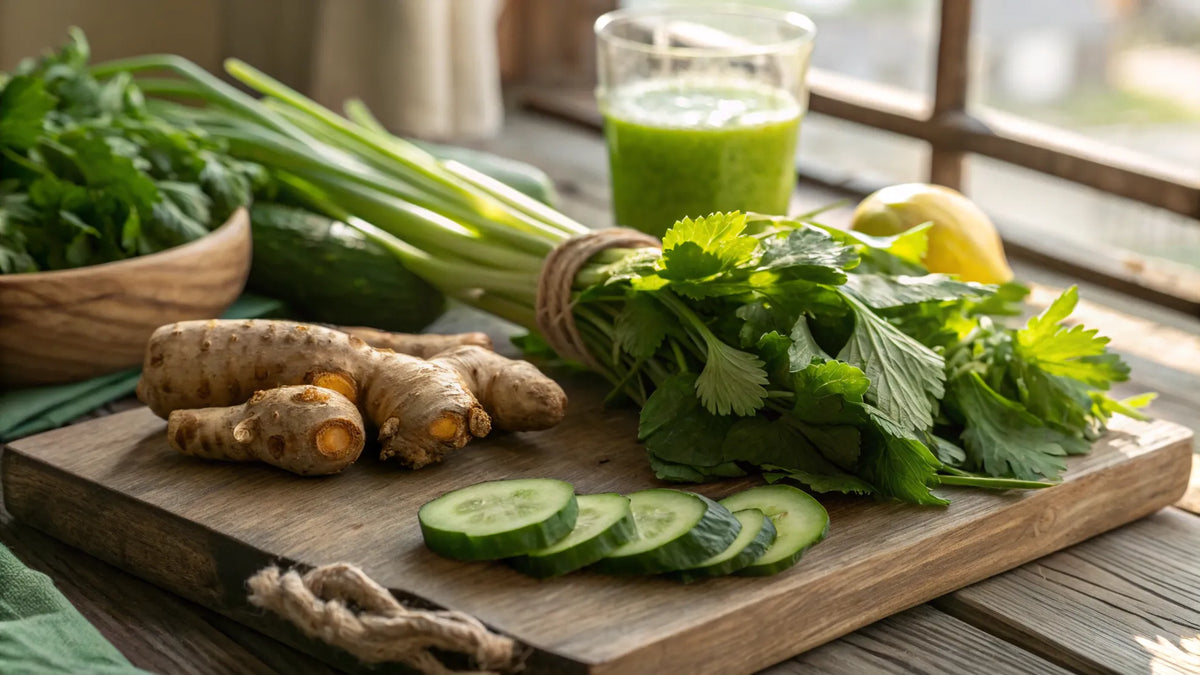
- Anti-inflammatory foods and herbs such as turmeric, ginger, garlic, onions, cruciferous vegetables (broccoli, cabbage, kale, etc.), carrots, and green tea.
- Drink purified water with lime or lemon.
- If possible, we recommend drinking a glass of freshly pressed celery juice every morning.
Manage stress
Just as diet is important, it’s also good to manage any stress using different methods.
Cut back on tasks, do relaxation exercises, make time to recover, spend time in nature, do yoga, get a massage, and listen to calming music.
Do things you enjoy that help you feel calm. If you experience a lot of anger, that needs to be addressed too. Anger triggers rosacea and, according to Chinese medicine, is linked to an overburdened liver.
Supplements for support
Here are some tips for supplements that may help with rosacea. But remember that supplements complement a healthy diet.
- Beneficial gut bacteria / probiotics. Good strains include: Lactobacillus paracasei, Lactobacillus longum, and Lactobacillus plantarum. Note: several probiotic strains can increase histamine production, which may trigger rosacea. However, some strains such as L. plantarum and L. longum may help break down histamines. If you have possible SIBO or are taking a course of antibiotics, Saccharomyces boulardii or Spore Biotic is recommended until it clears up.
- Evening primrose oil (GLA)
- B complex or B3 alone
- Zinc
- Vitamin C
- Selenium (especially important if you have amalgam fillings)
- Astaxanthin
- MSM
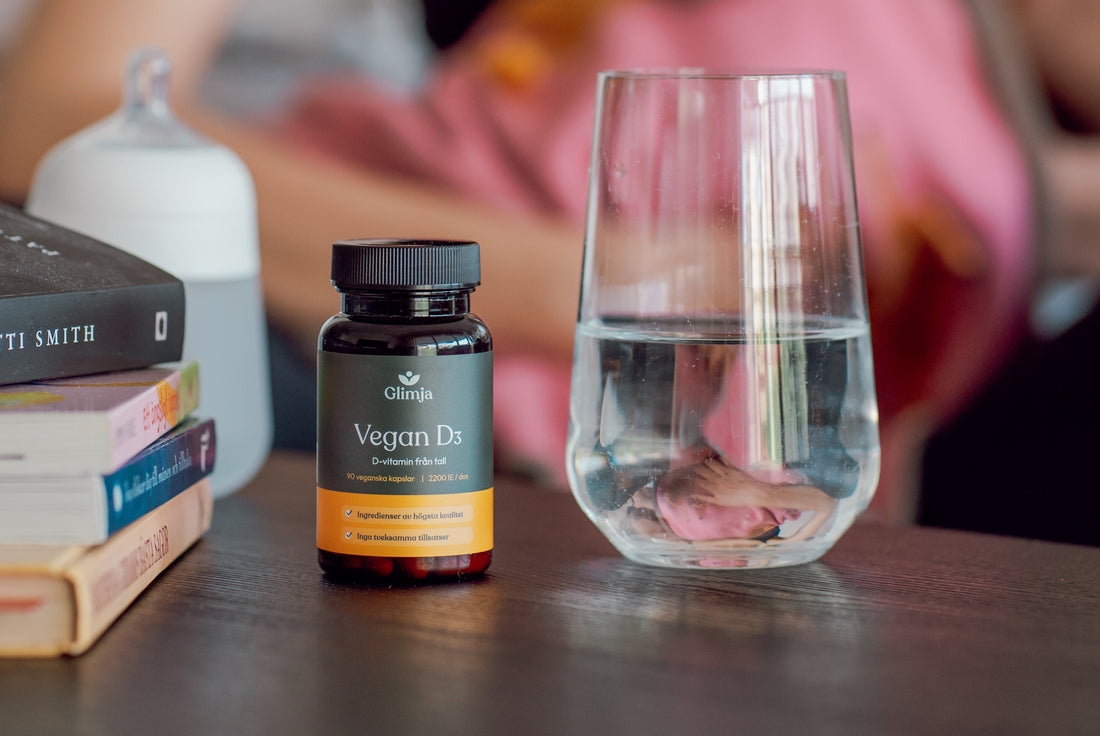
- Vitamin D
Liver support
- Glutathione
- Dandelion
- Schisandra
- Turmeric
- Calcium D-glucarate (for hormonal imbalance)
- Herbs that help counter heavy metals
Taking care of your liver is important for maintaining good health.
What skincare can you use?
When it comes to skincare products, avoid makeup and creams with synthetic fragrances or perfume, menthol, peppermint, eucalyptus, and witch hazel.
Avoid exfoliants, clay masks, full-coverage makeup on your face, drying face masks, products containing acids, and excessive sun or heat.
Treat your skin with gentle products designed for sensitive skin and/or rosacea. The fewer products you use, and the more natural they are, the better.
Natural DIY skincare that works
Oatmeal
With their anti-inflammatory properties, oats moisturise and provide nutrients that help soothe redness and itching caused by rosacea.
Mix gluten-free oats with half as much water and spread over your face and irritated skin. Leave it on for 15-20 minutes, then rinse with cold water. Gently pat your skin dry.
Green tea
Soak a face cloth in green tea and place it on your face for 20-30 minutes. The nutrients cleanse and soothe your skin.
Raw honey
Raw honey is an excellent skin treatment. It protects against bacteria, acne, and dryness.
Apply one or two tablespoons of honey, preferably cold-extracted (raw), to your face for 10 minutes, then rinse with warm water. Do this a couple of times a week.
Turmeric
Mix turmeric powder or crushed fresh turmeric with plain organic yogurt.
Apply and leave the mixture on for 15 minutes. Then rinse with warm water. Do this regularly to get the most out of turmeric’s antioxidant and cleansing effects.
Skincare for rosacea
Here are some tips for gentle products that work well if you have rosacea. Remember to choose natural products with as few synthetic/chemical additives as possible.
Cleansers
These are gentle, non-drying, moisturising organic cleansing creams for the face. They cleanse deeply without disrupting the skin’s natural protective barrier, which is important.
- Odylique Creamy Coconut Cleanser
- Odylique Silk Touch Cleanser
Facial toner
You can also add moisture with a gentle facial toner. Choose one that is astringent and not stimulating. These often work well for rosacea:
- Rose water
- Lavender water
- Geranium water
- Akamuti Tea Tree Water – for acne rosacea
Face cream
It’s important to counteract dry skin with rosacea, as dry skin becomes more easily irritated, which can trigger rosacea.
Rose has particularly soothing, balancing, and regenerating properties.
- Odylique Timeless Rose Moisturiser
- Evolve Pro+ Ectoin Soothing Cream
- Odylique Organic Ultra Rich Balm – great for dry, sensitive areas
Facial oil
Seal in moisture with an oil-based product. For example, blueberry oil is a great choice for rosacea.
- Odylique Superfruit Oil/Serum – great as a serum, primer, over your face cream, or as a night oil.
- Apricot kernel oil
- Jojoba oil
- Carrot oil
What simple tips do you have for someone with rosacea? Share in a comment or ask a question and we’ll answer!