We live in a time when conditions such as chronic and autoimmune diseases, IBS, allergies and more are increasing. At the same time, the amount of ultra-processed food, additives, sugar and various trans fats in our society is growing. By giving the body the right conditions, we create opportunities for it to heal itself. An anti-inflammatory diet is one of these conditions.
What is an anti-inflammatory diet really? How can we eat in a more anti-inflammatory way, and why is fermented food beneficial for the body? You will find the answers in this article.
What is an anti-inflammatory diet?
An anti-inflammatory diet is not a diet but a lifestyle focused on feeling as well as possible. It means providing the body with food that is as nutritious and clean as possible to support and strengthen it. By eating anti-inflammatory food, we reduce inflammation in the body, support the immune system and create balance.
Many people with health problems, autoimmune diseases and chronic illnesses report feeling much better when eating an anti-inflammatory diet, as the food helps reduce symptoms such as pain, joint pain, digestive problems, brain fog, migraines and more.
Benefits of an anti-inflammatory diet:
- Provides increased energy and vitality
- Balanced skin
- A calmer stomach
- Less pain
- Increased physical vitality
- Better mental health
- A rich gut flora
- Strengthens the immune system
- More stable blood sugar
An anti-inflammatory diet can look very different from person to person. There are different versions of an anti-inflammatory diet, such as AIP and Paleo. However, following AIP or Paleo is not a must. It may suit some people, while others choose to eat an anti-inflammatory diet from a more general perspective.
AIP, the Autoimmune Diet or the Autoimmune Protocol, is a type of diet in which inflammatory foods are eliminated for a certain period of time. The foods excluded are gluten, dairy products, sugar, nuts, seeds, nightshades, legumes, eggs, additives, ultra-processed foods and alcohol.
After approximately four weeks, certain foods are reintroduced. This allows you to discover which foods work for your body and which you are sensitive to.
Paleo, also known as the Stone Age diet, means eating as much like our ancestors as possible. The diet is based on nutritious foods such as vegetables, spices, herbs, root vegetables, fruit, berries, mushrooms, meat, poultry, fish and shellfish. Unlike AIP, it also includes eggs, potatoes, nuts and seeds.
The foods excluded here are those that were introduced in more recent years. Grains, for example, are not included because humans did not eat them when we lived as hunter-gatherers. The body does not have enough enzymes for the intestines to break down gluten.
Paleo also excludes dairy products, white refined sugar, processed foods, and additives. There are then different branches with varying approaches - classic, liberal, and modern Paleo diets.
What causes inflammation in the body?
The food you eat can both make you healthy and make you ill. It affects the body at the cellular level and is crucial to how you feel. In recent years, sugar and ultraprocessed food have increased enormously, and a number of different lifestyle diseases have emerged alongside this increase. Foods that create inflammation and imbalance in the body include sugar, gluten, dairy products, pork, ultraprocessed food, and food that is over-fried.
Our bodies have exactly the same basic structure as those of people who lived during the Stone Age. During this time, humans lived in harmony with nature and ate a varied, clean, and nutritious diet prepared from scratch. The body therefore does not recognize the foreign substances in the ultraprocessed food we eat today. It is not accustomed to this food and cannot process it in the same way. This creates inflammation and imbalance in the body.
Inflammation is a natural process in the body that protects us from various invaders such as toxins, bacteria, and viruses. However, chronic inflammation can also develop in the body. This is long-term inflammation that often develops gradually over time. In the long term, this type of inflammation can lead to autoimmune diseases and other conditions. In an autoimmune disease, the immune system attacks the body’s own tissue.
Many people have inflammation without knowing it.
Symptoms that may indicate chronic inflammation include:
- Fatigue and low energy
- Aches and pains
- Skin problems
- Digestive problems
- Headaches
- Allergies
- Hormonal imbalances
- Low mood
-
Depression
Various symptoms are the body’s way of telling us that something is wrong. They tell us to pause, review our lifestyle, and make a change. It is more common for us not to listen to the body’s signals, but to continue in the same patterns as before, which in many cases results in more problems.
We need to address the root cause and start giving the body the conditions it needs to feel well. The body is constantly striving for balance, but if it does not have the right conditions, it lacks the ability to heal itself. If we give the body the right conditions, it can restore itself.
We ourselves are responsible for our own health. Lifestyle is crucial for achieving optimal health. Even though we inherit diseases genetically, we can influence our own well-being by up to 80%.
How can you eat a more anti-inflammatory diet?
Make conscious choices that strengthen your body; use food as your medicine. Focus first and foremost on what you can add rather than remove; it should be sustainable and work in the long term. Let your diet be varied and diverse.
Make sure your meal consists of slow-release carbohydrates, protein, fibre, vitamins, minerals, antioxidants and healthy fats. In addition to the basic nutrients, you can gradually add superfoods and adaptogens for extra vitality.
Be curious, explore, and make it fun and simple. Get to know your body and become aware of what makes it feel good. Experiment to see what works for you. We are all different, and food needs to be tailored to each individual. The important thing is to use the approach that suits you and makes you feel good. What works for you may not work for someone else.
It is important not to ban any foods. Sometimes we may need to be more restrictive for a certain period to restore the body from a specific condition, but for it to be sustainable, we also need to enjoy what we love. One tip, therefore, is to use the 80/20 method, where you give your body nutritious, wholesome food 80% of the time and exactly what you want 20% of the time.
Listen to what you need and see food as an expression of love for your body. Take the time to eat in peace and quiet, fully enjoy every bite, stay present and eat with your soul.
In addition to this, it is of course also important to consider the bigger picture. Diet is one part of achieving optimal health and balance, but we also need to reduce stress, make sure we get a good night's sleep, engage in physical activity, review our relationships and much more. All the parts are interconnected and affect one another.
Below, you will find six tips on how to eat a more anti-inflammatory diet:
-
Cook from scratch. Eat food that is as pure and natural as possible and avoid various additives. Ready-made food is often ultra-processed and contains a range of additives such as preservatives, colourings and trans fats.
Trans fats contain a lot of omega-6. Too much omega-6 causes inflammation in the body. It is important to maintain a balance between omega-3 and omega-6.
Additives can also cause allergic reactions and stomach problems. Next time you shop – become more aware by looking at the ingredient list. Do you understand what the food contains?
-
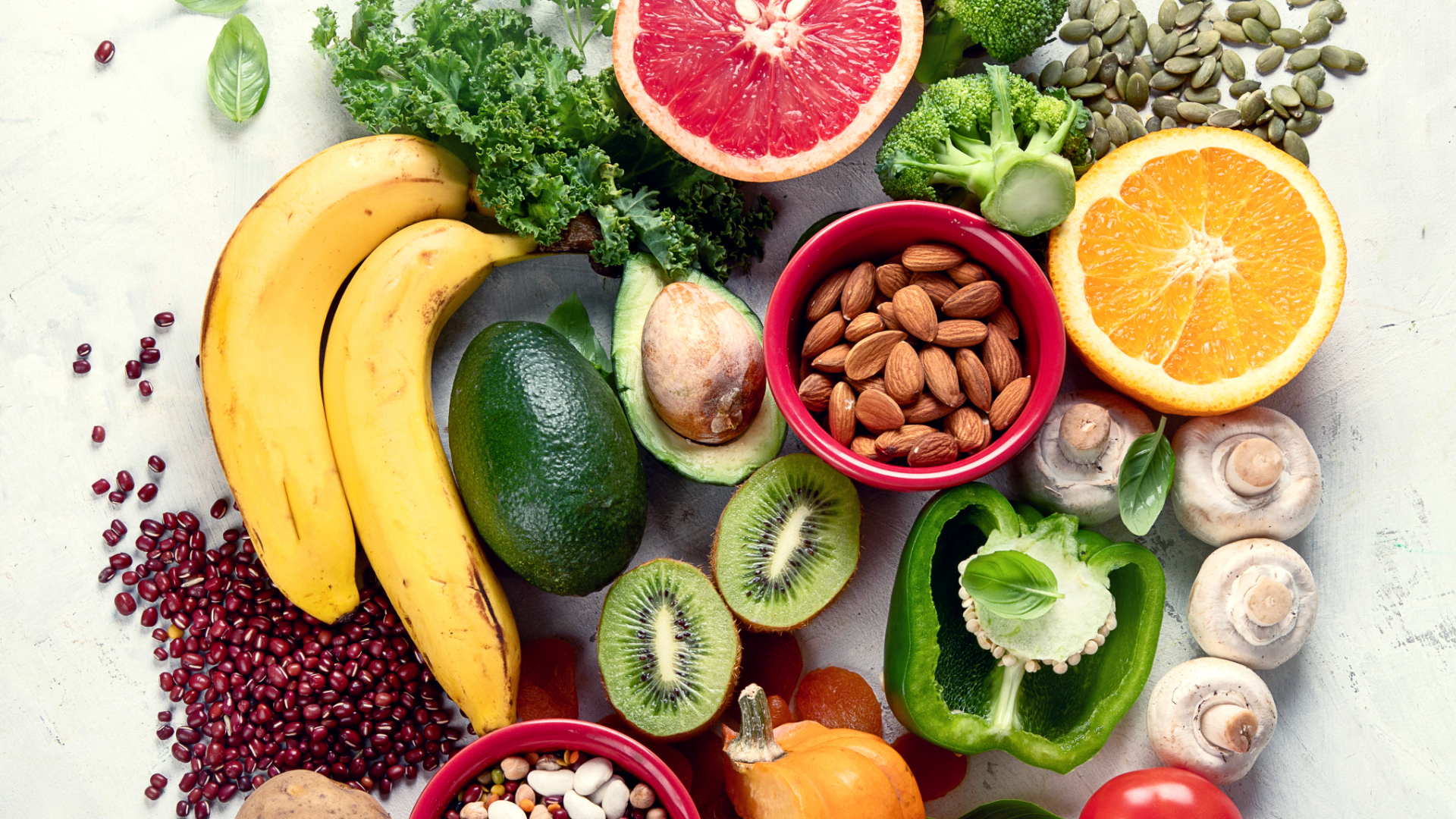
Add more nutrition. Increase the amount of vegetables on your plate and choose vegetables in all possible colors and shapes. Ideally, let vegetables make up 50% of your plate. Vegetables provide energy and increase your vitality. They contain vitamins, minerals, antioxidants, and beneficial fiber that help you maintain good gut health.
Fiber is food for the beneficial bacteria in the gut. Fibers that are particularly good for the gut microbiome include cold potatoes, green bananas, and onions. These fibers are called prebiotics. Also add more nuts, seeds, berries, mushrooms, fruit, spices, and herbs.
-
Buy organic. Unfortunately, the food we buy in stores is sprayed with chemicals to improve its shelf life and keep insects away. Buy food that is as fresh and organic as possible whenever you can.
Eat according to the season and grow your own food during the summer if possible. Choose wild-caught fish, meat from grass-fed cows, and eggs from free-range hens. Whenever possible, support the local farms throughout the country.
-
Find alternatives. There are plenty of alternatives for replacing different foods. Do not eliminate anything; always find alternatives that replace a specific food. For example, replace refined white sugar with birch sugar, dates, or yacon syrup.
Wheat flour can be replaced with gluten-free alternatives such as buckwheat flour, teff flour, or almond flour, and dairy products with coconut milk or cashew cream. There is so much to explore.
-
Add probiotics. Many different studies on the gut microbiome have been conducted in recent years, showing that the environment in the gut is incredibly important for good health. Both health and illness begin in the gut.
Probiotics promote gut health and benefit your gut microbiome. Probiotics are beneficial bacteria that you add to your gut, either through supplements or fermented foods. Examples of fermented foods include fermented vegetables such as sauerkraut or kimchi.
- Eat more turmeric and ginger. Two anti-inflammatory ingredients. Turmeric contains phytonutrients that help prevent inflammation. It is best used with olive oil and black pepper for optimal absorption. Ginger contains the powerful compound gingerol, which is effective against inflammation.