There are many couples who want to conceive but unfortunately do not, and who struggle for several years. The number of infertility cases continues to rise worldwide.
Primary infertility is defined as not being able to conceive despite having frequent, unprotected sex for at least one year.
Causes of infertility
There can be many causes of infertility, including:
- Poor diet and nutrient imbalances
- Emotional stress
- Sexually transmitted diseases
- Thyroid problems
- Candida fungus (often in women)
- Medical conditions
- Eating disorders
- Excessive exercise
- Obesity
- Hormonal problems
- PCOS
- Environmental toxins and heavy metals in the body (often in men)
The good news
The good news is that there are natural alternatives.
It’s worth trying the natural route before turning to costly, often exhausting, and emotionally draining infertility treatments.
Here we share seven things we recommend you do first.
7 important things that optimize fertility in women & men
1. Eat healthily
One of the most important things is to eat a clean and healthy diet.
Choose organic foods. Pesticides can affect estrogen and other hormones, so it’s important to choose organic and clean products as much as possible.
Make sure to eat a nutritious, colorful diet with all vitamins, minerals, phytonutrients (antioxidants), and fatty acids.
2. Take supplements that support fertility
Prenatal multivitamins
Prenatal multivitamins are carefully designed supplements for women who want to conceive, are pregnant, or breastfeeding. It’s important to choose a high-quality supplement and avoid the cheapest options that may contain the wrong type of folate/B9.
Men should also take a multivitamin as a base to replenish nutrients. It takes about 90 days for men to produce new sperm, so it can take up to three months before you see benefits from lifestyle changes.
Vitamin C
Vitamin C can help support sperm count in men and trigger ovulation in women. Vitamin C also helps the body absorb iron, which is an important nutrient for women.
B vitamins
Many B vitamins are involved in estrogen metabolism. For example, folate or folic acid (B9) is a B vitamin that helps the body build new cells and prevent birth defects.
Vitamin E
Vitamin E is an important vitamin for fertility because it helps with hormone balance. Vitamin E is also good for sperm production.
Zinc
Zinc is an important mineral for reproduction. Zinc is often very beneficial for male fertility and sperm production, so it is recommended.
Q10
Q10 is linked to positive results regarding sperm health. More data is needed to confirm this connection, but many couples claim this supplement has helped them on their fertility journey.
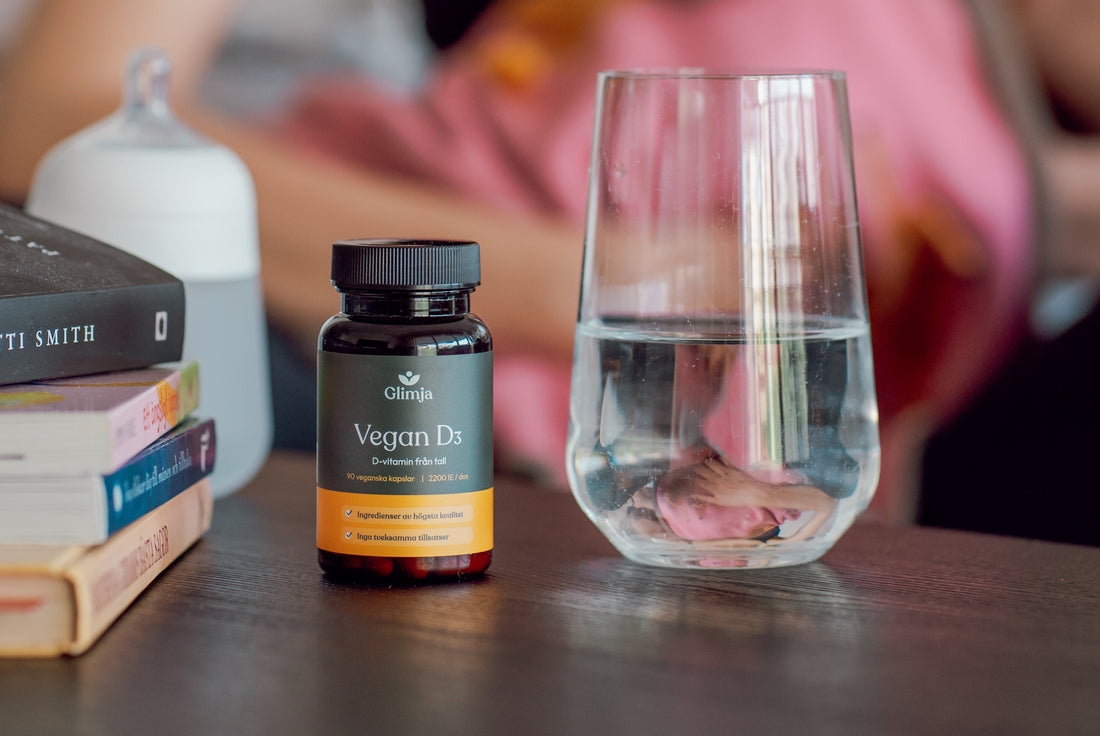
Vitamin D
Research shows that if you have a deficiency in vitamin D, supplementation can increase fertility. Do a vitamin D test with your doctor first, so you know if you need it.
Selenium
Selenium is an important mineral and antioxidant that supports the immune system, liver detoxification, and contributes to normal thyroid function.
Gut flora
Poor gut health is a common cause of nutrient deficiencies, poor detoxification ability, and increased inflammation in the body, which can be a problem for both partners when trying to conceive.
Taking care of gut health with probiotics – or lactic acid bacteria is a key to overall health and thus also for fertility and mood.
Omega-3
Fatty acids, especially omega-3, are important for overall health. Omega-3 fats have anti-inflammatory properties that affect many health aspects, including fertility.
Femme Fertil+
Holistics Femme Fertil+ promotes fertility and is a supplement for women that supports fertility and provides thoughtful nutrition before, during, and after pregnancy.
Homme Viril+
Holistics Homme Viril+ is a supplement for men that supports male fertility. The product provides nutrients needed for healthy energy levels, sexual desire, and good fertility.
Ovarian Care
Thorne's product Ovarian Care for women offers a unique blend of nutrients that support reproductive health, fertility, and a regular menstrual cycle.
It also provides nutritional support for women with PCOS_._
3. Don’t underestimate rest
Reducing stress as a solution for infertility often ends up at the bottom of the list, but it is so important!
Our bodies and minds are designed for regular rest and recovery on a very deep level.
Learning to relax in our daily lives, to sleep deeply at night, and to spend free time without a computer, to-do list, or phone is essential for our hormonal balance.
This is the perfect opportunity to review priorities, determine what causes the most stress, and eliminate it.
If it’s not possible to eliminate stress completely, you need to find healthy ways to manage and reduce it.
4. Make sure to sleep 8h/night
Besides keeping stress levels low, sleep is crucial for improving fertility, both for men and women.
The average woman (30-60 years) gets only about six hours of sleep per night during a workweek.
Sleeping (or not sleeping) has a powerful effect on the body’s hormonal system. If you don’t get enough sleep, both the hormone cycle and ovulation can be disrupted.
You should aim to sleep eight hours per night.
5. Regular exercise
Many can immediately feel the difference when they work out. Mood improves, they sleep better, and they may experience increased sexual desire.
All these changes happen alongside hormonal shifts. For example, we often hear that the “feel-good hormone” serotonin increases with exercise.
Our bodies are made to be active every day. If you want to get pregnant, it’s important to exercise regularly to balance your hormones.
Hormones play a big role in almost every process related to conception, from the release of the egg to the condition of the sperm and their ability to reach and fertilize the egg.
6. Remember daylight & joy
Sunlight affects not only our mood but our entire hormonal state, immune system, and well-being.
It is recommended that you get a minimum of 30-60 minutes of daylight outdoors per day.
Also remember to schedule time during the week to do things that bring joy!
A smile, a laugh, a warm feeling – it makes a big difference.
7. Review kitchen & bathroom
Something you’d rather ignore is environmental toxins; it’s not pleasant to think about all that can harm the body.
But among environmental toxins, there is a special class of compounds called hormone disruptors that can affect fertility.
A particular hormone-disrupting substance is bisphenol A (BPA), which reduces egg quality and egg viability.
BPA is used to make hard plastic. So make sure to use as little plastic as possible in the kitchen, and if possible, try to go plastic-free.
For example, do not use plastic to store or heat food and water.
Throw away all conventional body care products that contain synthetic and chemical ingredients.
By switching to natural cleaning products, beauty products, and skincare products and avoiding plastic, you reduce the toxin load in your body and improve fertility.
What tips do you have to increase fertility? Share in a comment so we can learn from each other!
In this article, you can read about supplements during pregnancy.